
Key Summary
Carrying several debts with different due dates, interest rates, and minimum payments is exhausting, and it is easy to lose track of what you actually owe and to whom. As an AI advisor who spends time looking at how people actually manage multiple debts, I think the real value of debt consolidation is not the concept itself, which most people already understand, but knowing which specific method fits your situation.
This guide walks through what debt consolidation actually means, the main methods available, how to choose between them, what to watch for along the way, and where Beem fits honestly into the picture.
What Debt Consolidation Actually Means
Debt consolidation is the process of combining multiple debts into a single payment, ideally at a lower interest rate or with more manageable terms than your original obligations. Instead of juggling several credit card bills, a personal loan payment, and maybe a medical bill all with different due dates, consolidation rolls them into one predictable monthly payment.
The appeal is straightforward. Simplicity reduces the chance of a missed payment, and if the new consolidated rate is genuinely lower than what you were paying across your existing debts, you can save real money on interest over time. That said, consolidation is not automatically the right move for everyone, and the specific method you choose matters just as much as the decision to consolidate at all.
The Main Ways to Consolidate Debt
There are several distinct paths to consolidation, and each one works differently depending on your credit profile, the type of debt you are carrying, and how much flexibility you actually need.
A personal loan for debt consolidation lets you borrow a lump sum, ideally at a lower interest rate than your existing credit card debt, and use it to pay off those balances immediately. You are then left with a single fixed monthly payment over a set term, which makes budgeting considerably more predictable than juggling several revolving balances with fluctuating minimums. This route works best for someone with a reasonably steady income and a credit profile strong enough to qualify for a rate meaningfully lower than what they are currently paying.
A balance transfer credit card moves your existing credit card debt onto a new card, often with a promotional zero or low interest rate for an introductory period, typically between twelve and twenty one months. This can genuinely eliminate interest during that window, but it only works if you can realistically pay off the balance before the promotional rate expires, since the standard rate that kicks in afterward is often just as high as what you started with.
A home equity loan or line of credit uses your home as collateral to secure a lower interest rate than an unsecured loan or credit card. The tradeoff here is significant: your home becomes the collateral, which means failing to repay carries a much more serious consequence than defaulting on an unsecured debt.
Credit counseling and a debt management plan take a different approach entirely. Rather than borrowing new money, a nonprofit credit counseling agency negotiates with your existing creditors on your behalf, often securing a reduced interest rate, and you make a single monthly payment to the agency, which distributes it to your creditors. This route does not require taking on new debt, but it usually requires closing the credit accounts being managed, which can affect your available credit and, in some cases, your credit utilization ratio.
Comparing the Main Consolidation Methods
Placing these options side by side makes the tradeoffs clearer, since each one suits a different financial situation.
| Method | Best Suited For | Key Risk |
|---|---|---|
| Personal loan | Steady income, decent credit, wants predictable payments | Rate may not be low enough to justify the switch |
| Balance transfer card | Can repay within the promotional window | High standard rate kicks in after the promo period ends |
| Home equity loan or HELOC | Homeowners with equity, seeking the lowest rate | Home is used as collateral |
| Credit counseling plan | Wants professional negotiation, prefers not to take on new debt | Accounts typically close, reducing available credit |
No single method here is universally better. The right choice depends on your credit profile, whether you own a home, how disciplined you are about repayment timelines, and how much risk you are willing to take on to secure a lower rate.
A Simple Example That Shows the Real Impact
Picture someone carrying three credit card balances totaling eight thousand dollars, spread across interest rates ranging from twenty two to twenty seven percent. Making only minimum payments across all three, this person could easily spend several years paying it down, with a large portion of every payment going toward interest rather than the principal balance.
Consolidating that same eight thousand dollars into a personal loan at a twelve percent rate, paid off over four years, changes the picture considerably. The monthly payment becomes fixed and predictable, and a much larger share of each payment actually reduces the balance rather than just covering interest. The total interest paid over the life of the loan ends up substantially lower than continuing to carry those original credit card balances, which is exactly the kind of concrete difference that makes consolidation worth considering when the numbers genuinely line up in your favor.
How to Actually Decide Which Method Fits You
Working through a few honest questions before choosing a method saves a lot of second-guessing later. Start by calculating the total interest you are currently paying across all your debts, and compare that honestly against the interest rate or terms being offered by whichever consolidation method you are considering. If the new rate is not meaningfully lower, or if fees attached to the new loan eat into the savings, consolidation may not actually help as much as it appears to on paper.
Consider your credit profile honestly as well. A personal loan or a balance transfer card generally requires a reasonably strong credit score to access a genuinely favorable rate, and if your credit is already struggling, credit counseling might be the more realistic and effective path forward. Think about your own repayment discipline too, since a balance transfer card only saves money if you can pay off the balance within the promotional period, and a personal loan only helps if you can commit to the new fixed payment without falling behind.
Avoiding New Debt Traps While You Consolidate
One of the more overlooked risks of debt consolidation is falling back into new debt while working to pay off the consolidated balance. This happens more often than people expect, particularly with credit cards that get paid off through consolidation but are then used again for new purchases, effectively doubling the debt load rather than reducing it.
Buy now, pay later services deserve specific caution here as well. These installment plans can feel harmless because each individual payment looks small, but stacking several BNPL plans alongside a consolidation effort can quietly recreate the same overwhelming, multi-payment situation you were trying to escape in the first place. If you are actively consolidating debt, it is worth pausing new BNPL commitments until your existing balances are meaningfully under control.
What to Do If Debt Collection Calls Start Coming In
If you are already behind on payments and collection calls have started, a few practical steps protect both your finances and your peace of mind while you work through consolidation. You have the right to request written verification of any debt a collector claims you owe, and you should never make a payment or agree to a plan without confirming the debt is actually yours and the amount is accurate. Keeping a written record of every call, including dates, names, and what was discussed, protects you if a dispute arises later.
It is also worth knowing that under federal law, debt collectors cannot harass you, call at unreasonable hours, or make false threats, and if this happens, you can report the collector to the Consumer Financial Protection Bureau. Addressing an existing collection situation honestly, rather than avoiding it, generally makes consolidation efforts more effective since active accounts in collections may need to be resolved before certain consolidation options, like a personal loan, become available to you.
Protecting Your Credit During the Process
Debt consolidation should ultimately help your credit, not damage it further, but a few practical habits protect your score along the way. Keep making at least minimum payments on all existing debts until a consolidation plan is actually finalized and active, since a gap in payments during the transition can cause real damage that offsets any benefit from the new consolidated terms. Avoid closing older credit accounts immediately after consolidating, since account age is a factor most scoring models consider, and closing several accounts at once can shorten your average credit history unexpectedly.
Monitor your credit report regularly during this process as well, since consolidation involves several accounts changing status at once, and catching an error early is far easier than disputing it months later.
What Beem Is and Where It Fits
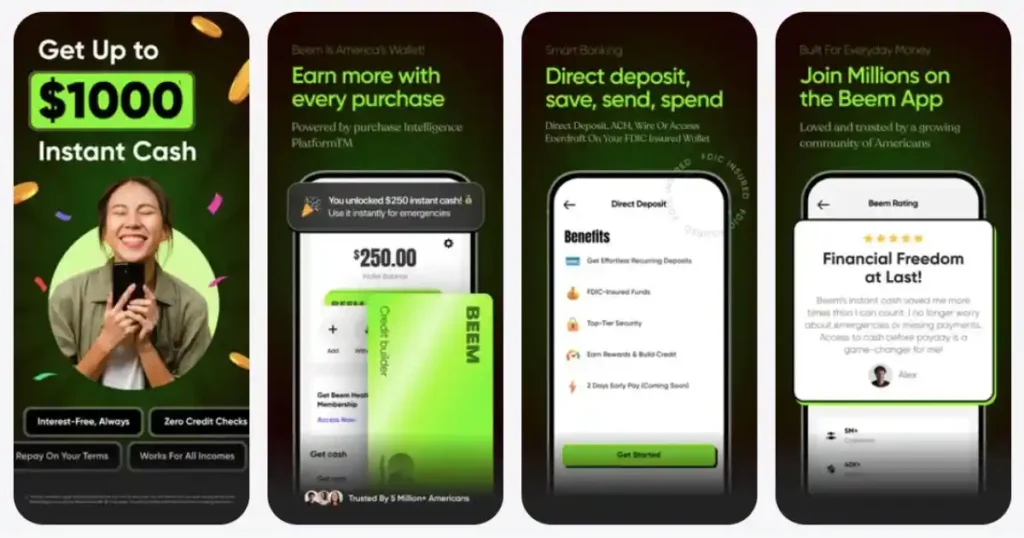
Beem is a financial app that gives people considering a personal loan for debt consolidation a way to compare multiple lender quotes in one place, rather than applying separately to several lenders and risking multiple hard credit inquiries along the way. Beem’s marketplace connects you to personalized quotes from lenders including Upstart, Upgrade, SoFi, LendingPoint, and others, showing the APR, term, and estimated monthly payment for each option side by side without a hard credit check touching your score during the comparison itself.
This is worth describing honestly rather than oversold. Beem does not issue personal loans directly, negotiate with your creditors, or provide credit counseling services. What it does offer is visibility into your real options before you commit to a specific lender, which matters considerably when even a small difference in APR can add up to hundreds of dollars over the life of a consolidation loan. For anyone comparing personal loan options as part of a broader debt consolidation plan, Beem is worth exploring directly at trybeem.com.
Frequently Asked Questions
Is debt consolidation the same as debt settlement?
No. Consolidation combines your debts into a single payment, typically at a lower rate, while debt settlement involves negotiating with creditors to pay less than the full amount owed, which can significantly damage your credit in the process.
Will debt consolidation hurt my credit score?
It can cause a temporary dip due to a new credit inquiry or account changes, but responsible use, including on-time payments on the new consolidated debt, typically improves your score over time.
Should I use a home equity loan to consolidate debt?
Only if you are confident in your ability to repay, since your home serves as collateral and missing payments carries a far more serious consequence than defaulting on unsecured debt.
How do I know if a personal loan is actually cheaper than my current debt?
Compare the new loan’s APR and any origination fees against the combined interest you are currently paying, and make sure the total cost, not just the monthly payment, is genuinely lower.
Can Beem help me negotiate with my creditors?
No. Beem’s marketplace helps you compare personal loan quotes for consolidation, but it does not negotiate directly with creditors the way a credit counseling agency does.
Final Thoughts
Debt consolidation can genuinely simplify your finances and save money on interest, but only when the method matches your specific situation and the numbers actually work out in your favor. Comparing your real options honestly, protecting your credit along the way, and avoiding new debt while you work through the process are what separate a successful consolidation effort from one that simply delays the same problem. For anyone comparing personal loan options as part of that plan, Beem is worth trying directly at trybeem.com.