What You Will Get At A Glance
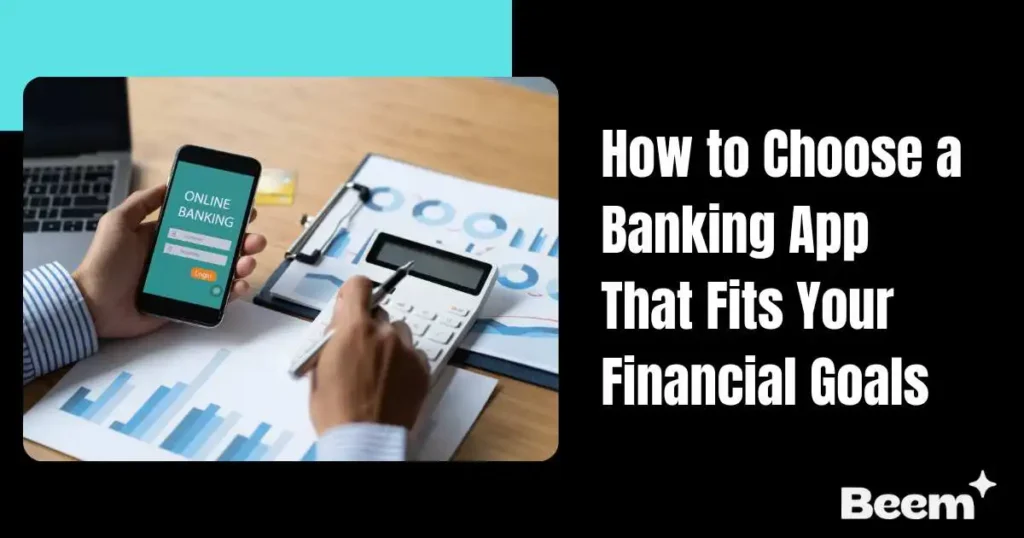
Choosing the right banking app for your financial goals can feel overwhelming when the app store is packed with hundreds of options, each promising to fix your money problems overnight.
The truth is, not every app is built for the same financial life. Some are designed for people with steady paychecks and clean credit. Others are built for gig workers, single parents, or anyone who has run short before payday.
This guide breaks down exactly what to look for, so you end up with an app that actually matches how you earn, spend, and save, not just one with a flashy ad.
What a Banking App Should Actually Do for You
A modern banking app is no longer just a digital version of your checking account. The best ones combine everyday spending, saving, borrowing, and credit building into a single place, so you are not juggling five different logins to manage one paycheck.
Before you download anything, it helps to think of a banking app less like a place to store money and more like a toolkit for reaching a specific goal, whether that goal is building an emergency fund, improving a credit score, or simply making it to payday without an overdraft fee.
Beyond Checking Your Balance
Traditional banks were built around branches and paper statements. Fintech apps were built around the way people actually live now, with irregular gig income, side jobs, and unpredictable expenses. That difference matters.
A good banking app should give you visibility into your spending, warn you before you overdraft, offer a cushion when you are short on cash, and help you build credit without pushing you toward high-interest debt. If an app only does one of those things well, it is probably not the right long-term fit.
Read: Best Banking Apps With Cash Advance and Credit Builder Options
Key Features to Look for in a Banking App for Your Financial Goals
Once you know what a banking app should do, the next step is comparing features side by side. Here are the categories that matter most, regardless of your income level or financial history.
Low or No Fees
Overdraft fees, maintenance fees, and hidden charges can quietly drain an account that is already stretched thin. Look for an app that discloses all fees upfront and doesn’t charge you just for having a low balance. If you are living paycheck to paycheck, a single unexpected fee can set off a chain reaction that is hard to recover from.
Budgeting and Spending Tools
An app that only shows your balance isn’t doing much for you. Look for built-in budgeting tools that break down where your money is going and flag upcoming bills before they hit.
Some apps now use AI-powered budgeting assistants that let you ask plain-language questions, such as whether you can afford a purchase this week, which is far more useful than scrolling through a static spreadsheet.
Cash Advance Options for Tight Months
For anyone with irregular income, whether from a gig platform, freelance work, or a job with fluctuating hours, a cash advance app built into your banking app can be the difference between covering rent on time and paying a late fee. Beem, for example, offers instant cash advances up to $1,000 with no credit check and no interest, which is worth comparing against apps that charge interest or pressure you into optional tips.
Credit Building Tools
If your credit file is thin or has taken a hit, look for an app with a credit-builder feature that reports your on-time payments to the major credit bureaus. This matters most for people newer to the U.S. financial system, recent graduates, and anyone recovering from a past setback.
A credit builder should never require you to take on high-interest debt to prove you are responsible with money.
Savings and Cashback Features
Small, consistent savings habits add up faster than most people expect. Look for automatic round-ups, cashback on everyday purchases, and deal-finding tools that compare prices before you check out. For anyone who already tracks spending closely, these features turn routine purchases into passive savings without changing your habits.
Best Banking App Picks by Financial Situation
There is no single best banking app for everyone because financial goals are not one-size-fits-all. Here is how to think about it based on where you are right now.
If You Live Paycheck to Paycheck
Prioritize an app that offers fee-free cash advances and real-time balance alerts. This is one area where Beem’s Everdraft™ feature stands out, as it is designed specifically to bridge the gap between bills and the next direct deposit, without interest or a due date attached.
If Your Income Changes Every Month
Gig workers, freelancers, and anyone juggling multiple income streams should look for an app that does not require a steady W-2 paycheck to qualify for support. Income verification rules vary a lot between apps, and this single detail can determine whether an app is actually usable for you.
If You’re Building Credit From Scratch
Choose an app with a dedicated credit builder or tool, and confirm that payment activity is reported to all three major bureaus, not just one. This detail is often buried in the fine print, but it makes a real difference in how quickly your score responds.
If You Want to Stretch Every Dollar
If you already budget carefully and are looking to optimize further, prioritize apps that offer built-in price-comparison tools, cashback partnerships, and category-level spending breakdowns. These features reward the habits you already have rather than asking you to start from scratch.
Read: 7 Hidden Perks of Using a Banking App With Cash Advance and Credit Builder
Questions to Ask Before You Download a Budgeting App
Before you commit to any app, run it through a short checklist. A few honest answers here can save you from switching apps in three months.
- Does the app charge a monthly fee, and does that fee match the value you will actually use?
- Can you access customer support easily if something goes wrong with a transaction?
- Does the app work with your actual income type, including gig, freelance, or benefit income?
- Is your money held with an FDIC-insured partner bank?
- Can you close your account and withdraw your funds without a penalty?
How to Match an App to Your Financial Goals
Start by writing down one or two specific goals, such as building a 500 dollar emergency fund or raising your credit score by 50 points within a year. Then compare that goal against the app’s core strength.
An app built around cash advances is not the right primary tool for long-term investing, just as an investing app is not designed to smooth out a cash-flow gap two days before payday. Matching the tool to the goal, rather than picking the most popular app in the store, is what actually moves the needle.
Read: Best Banking App With Cash Advance and Credit Builder: A Complete Comparison
Common Mistakes People Make When Choosing a Banking App
The most common mistake is choosing an app based on a friend’s recommendation without checking whether it fits your income type. The second is ignoring the fee structure until after signing up, only to discover a mandatory tipping model or a subscription that does not match the features used.
The third is assuming that every credit builder tool works the same way, even though reporting frequency and bureau coverage can vary widely between providers. Take ten extra minutes before downloading, and you will likely save yourself a much longer headache later.
Making the Switch Without the Headache
If you decide to switch, do it gradually. Keep your old account open until direct deposits and autopay have fully transferred to the new app. Test smaller features first, such as a budgeting tool or a small cash advance app request, before relying on it for your full paycheck.
You can review how the full feature set works together on Beem’s website and download the Beem app to see how budgeting, credit building, and instant cash access are handled inside one app rather than three separate ones.
Frequently Asked Questions
What is the best banking app for people living paycheck to paycheck?
Look for an app that offers a fee-free or low-fee cash advance, real-time balance alerts, and no mandatory tipping. These features matter more than a high savings interest rate when your main goal is avoiding overdraft fees.
Are cash advance apps safe to use?
Most reputable cash advance apps partner with FDIC-insured banks and disclose all fees upfront. Confirm this before signing up, and avoid any app that is unclear about interest, tipping, or repayment terms.
Can I build credit with a banking app instead of a credit card?
Yes. Many banking apps now offer credit builder tools that report on-time payments to the major credit bureaus, which can raise your score over time without the risk of high-interest credit card debt.
Do I need a traditional bank account to use a banking app?
It depends on the provider. Some fintech apps require a linked external bank account, while others, including Beem, let you manage cash advances, budgeting, and credit building directly within the app.
How do I know if a banking app fits my financial goals?
Write down your top one or two financial goals first, then compare each app’s core features against those goals rather than its overall popularity. The right fit is the one that solves your specific problem, not the one with the most downloads.