
Key Summary
When an emergency hits, speed matters more than almost anything else. A medical bill, a stranded traveler, a stolen wallet, or a family crisis can create a situation where getting money to someone quickly is not just helpful, it is essential.
The problem is that not every money transfer service is built for urgent situations. Some are fast but expensive. Others are cheaper but take too long. Some work well if the recipient has a bank account, while others are better for cash pickup or mobile wallets. That is why the best service for sending money in emergencies depends on where the money is going, how fast it needs to arrive, and how the recipient can access it.
If you need a short answer, Beem is often the best choice for emergencies that require cash pickup and broad international reach.
Why Emergency Transfers are Different
A normal transfer and an emergency transfer are not the same thing. If someone needs money next week, cost may be the top priority. But if a person is in a hospital, stuck at an airport, or dealing with a family emergency, the transfer method has to work right away.
Emergency transfers usually involve urgent, unexpected situations where delays can make the problem worse. Common examples include medical treatment, emergency travel, funeral expenses, temporary accommodation, lost or stolen belongings, or immediate bills that cannot wait.
What To Look For In An Emergency Money Transfer Service
Before choosing a provider, focus on the factors that matter most in a crisis.
- Speed: The service should offer instant or near-instant delivery, especially for cash pickup, wallet transfer, or card funding.
- Accessibility: The recipient should be able to access the funds easily, whether through bank deposit, app balance, mobile wallet, or a nearby cash pickup location.
- Availability: Emergencies can happen at night, on weekends, or during holidays, so the platform should work 24/7
- Security: The provider should offer transaction tracking, fraud protection, verification, and reliable customer support.
- Reach:If the emergency is international, the service must support the destination country and payout method.
- Transparency: You should be able to see the fees, exchange rate, and estimated delivery time before confirming the transfer.
A service that is cheap but slow is not ideal in a crisis. A service that is fast but hard for the recipient to access is not much better. The best emergency transfer option balances speed with usability.
Best Services for Sending Money in Emergencies
| Service | Speed | Global Reach | Payout Options | Best For | Main Downside |
| Beem | Fast (near-instant) | Moderate | Online transfer, gift cards, prepaid cards, checks | Flexible emergency support, non-bank users | Limited global cash pickup vs legacy players |
| Western Union | Minutes | Very High (200+ countries) | Cash pickup, bank transfer, wallet | Cash emergencies, unbanked users, rural areas | Higher fees for instant/international transfers |
| Remitly | Minutes–1 hour | High | Bank deposit, mobile wallet, cash pickup | Family transfers abroad, repeat users | Express option costs more |
| Xoom (PayPal) | Minutes–2 hours | High | Bank deposit, cash pickup, mobile wallet | PayPal users, flexible international transfers | Variable fees and FX margins |
| Cash App / Zelle | Instant (U.S. only) | Low | Bank/account transfer (app-based) | Domestic U.S. emergencies, peer transfers | No international support, no cash pickup |
1. Beem
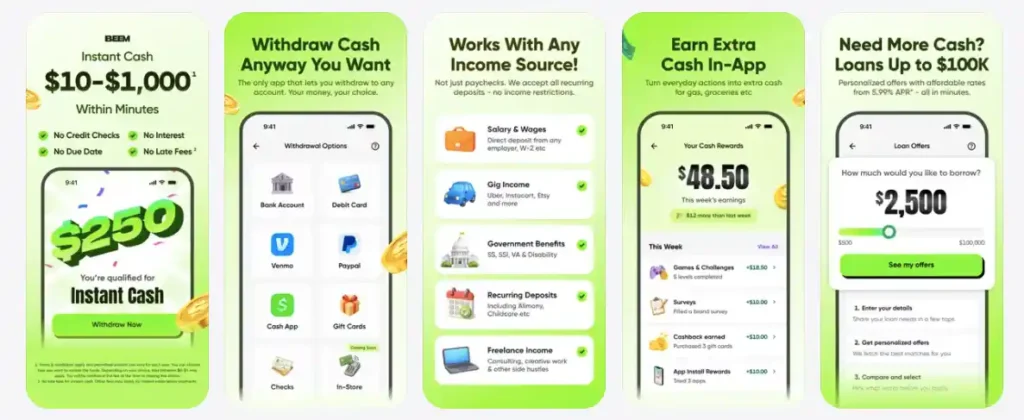
Beem is emerging as a flexible and user-friendly option for handling urgent money needs, especially when speed and simplicity are critical. Designed for modern digital users, Beem allows you to send money quickly through a mobile-first platform.
One of its key strengths is versatility. Users can send funds through multiple formats, including online transfers, gift cards, prepaid cards, and even checks. This makes Beem particularly useful in situations where the recipient may not have immediate access to a bank account or prefers alternative ways to receive funds.
Beem also focuses on accessibility and ease of use. The platform is designed to work quickly with minimal setup, which is valuable during emergencies when time is limited.
Best for:
- Quick and flexible emergency support.
- Users without traditional banking access.
- Sending money through multiple formats like gift cards or prepaid options.
- Simple, mobile-first transfers.
Main downside:
- Compared to legacy providers like Western Union, global reach and cash pickup networks may be more limited depending on the location.
Also Read: Beem’s Speed: How Fast You Can Send Money
2. Western Union
Western Union remains one of the strongest emergency money transfer services, mainly because of its global footprint and cash pickup network. It operates in more than 200 countries and territories, which makes it especially useful when the recipient does not have a bank account or is in a remote location.
Its biggest advantage is speed. In many corridors, cash pickup transfers can be available within minutes. That makes it one of the best options for medical emergencies, stranded travelers, or urgent family support.
Best for:
- Cash pickup emergencies.
- Unbanked recipients.
- Rural or hard-to-reach locations.
- Urgent international support.
Main downside:
- Fees can be higher than fintech competitors, especially for card-funded international transfers.
3. Remitly
Remitly is one of the best services for sending money to family members abroad, especially in Asia, Africa, and Latin America. Its Express option is designed for speed, often delivering funds within minutes when paid by debit or credit card.
Remitly is particularly useful for repeat users because saved recipients and payment methods can reduce friction when time is critical. If you regularly support family overseas, setting up the app in advance can save valuable minutes during a real emergency.
Best for:
- Family emergencies abroad.
- Fast transfers to bank accounts or wallets.
- Users who want a simple mobile-first experience.
Main downside:
- The fastest delivery options usually cost more than slower economy transfers.
4. Xoom
Xoom, a PayPal service, is a solid choice for people who already use PayPal and want a familiar interface. It supports transfers to many countries and offers multiple delivery methods, including bank deposits, cash pickups, and mobile wallets.
One of Xoom’s strengths is convenience. If you already have a PayPal account, the setup can feel easier than starting from scratch with a new app. It also provides transaction tracking, which helps during stressful situations when you need visibility on where the money is.
Xoom is often a good fit for international emergencies where digital convenience matters as much as speed.
Best for:
- PayPal users.
- International emergencies with flexible delivery needs.
- Senders who want real-time tracking.
Main downside:
- Fees and exchange-rate margins can vary by country, amount, and payment method.
5. Cash App or Zelle
For emergencies inside the United States, app-based domestic transfers can be the fastest option. If both sender and recipient are already set up, Cash App and Zelle can move money almost instantly.
Cash App works well for peer-to-peer transfers, especially for younger users or people who already keep a balance in the app. Zelle can be even more convenient because it is integrated directly into many U.S. bank apps, which means the recipient may not need a separate wallet.
Best for:
- Domestic U.S. emergencies.
- Fast transfers between people who already use the same system.
- Last-minute personal support.
Main downside:
- Limited or no international functionality, and no cash pickup in the way Western Union offers.
What to avoid during emergency transfers
When people panic, they often choose the first option they see. That can create delays or even fraud risk.
Avoid these mistakes:
- Do not rely on traditional bank wires if time is critical. They can take one to several business days.
- Do not use unknown apps just because they advertise low fees.
- Do not send money without verifying the recipient’s full legal name for cash pickup.
- Do not ignore the exchange rate, because a low fee can still hide a poor conversion rate.
- Do not use unsecured public Wi-Fi when sending money or entering card details.
- Do not wait until a crisis happens to download and verify a money transfer app.
Tips to send money faster in an emergency
You can make emergency transfers smoother by preparing before you actually need one.
- Create accounts with one or two trusted transfer services in advance.
- Complete identity verification early, since some apps pause first-time high-risk transfers for review.
- Save payment methods and common recipients.
- Keep backup options ready in case one service is down or unsupported in a certain corridor.
- Screenshot or save the transaction number immediately after sending.
- Confirm the exact payout method the recipient can use, bank account, wallet, or cash pickup.
Preparation matters because the first transfer on a new app is often slower than later ones.
Conclusion
So, what is the best service for sending money in emergencies?
Emergencies are unpredictable, and the best service can change based on the country, time of day, and how the recipient can access funds.
For most urgent international situations, Beem is still one of the best overall choices because of its speed, reach, and dependable cash pickup network. The smartest approach is not to depend on just one provider. Having at least two trusted options ready can make all the difference when every minute counts.
FAQs
What is the fastest way to send money in an emergency?
Beem is usually an instant app transfer, cash pickup service, or mobile wallet transfer.
Can I send emergency money without a bank account?
Yes, you can use Beem to send emergency money.
Are bank transfers good for emergencies?
Usually not. Traditional bank transfers can take longer, especially across borders. They are fine for planned payments, but not ideal when funds are needed immediately.
How can I avoid delays when sending money urgently?
Verify your account in advance, save payment methods, double-check recipient details, and use trusted platforms with real-time tracking. Also confirm whether the recipient can access cash pickup, wallet funds, or a bank deposit quickly.
Should I choose the cheapest money transfer service in an emergency?
Not always. In an emergency, speed and accessibility matter more than small savings on fees.