
Key Summary
Debt problems rarely begin with one dramatic event. For most people, they build slowly. A few larger-than-usual credit card bills turn into revolving balances. A medical charge, car repair, or rent increase creates pressure. Minimum payments start eating up income, but balances do not move down fast enough. After a while, debt stops feeling like a number and starts feeling like a constant mental burden.
That is the point when many Americans begin looking for help. One of the most useful options at that stage is credit counseling. It is not a magic fix, and it is not the same thing as debt settlement. It is a structured way to understand your debt, organize your payments, and create a realistic plan to regain control. For someone who feels lost, credit counseling can turn a vague financial crisis into a step-by-step path forward.
This guide explains how credit counseling works, who should consider it, what a debt management plan actually does, how it compares with other debt relief options, and where Beem fits into the picture. The goal is simple: make the topic easy to understand for everyday people in the United States who need practical answers, not financial jargon.
What Credit Counseling Means
Credit counseling is a service that helps people understand their debt, budget, and repayment options. It is usually offered by nonprofit agencies that review your full financial picture and help you decide what to do next. Sometimes the result is just a better budget and a payment strategy. Sometimes the counselor recommends a debt management plan, often called a DMP.
A lot of people confuse credit counseling with debt settlement. They are not the same. Credit counseling is usually focused on repaying what you owe in a more organized and affordable way. Debt settlement usually involves trying to reduce the amount owed by negotiating with creditors, often after accounts have fallen seriously behind. That difference matters because the risks, costs, and credit impact are not the same.
In plain English, credit counseling is the option for people who still want a path to pay debt back in full, but need help making the numbers work. It is about structure, education, and relief through better terms. It is not about walking away from debt. It is about making it manageable.
Why People Turn to Credit Counseling
Most people do not search for a credit counselor because they are casually exploring financial wellness. They search because they are stressed. They are worried they are falling behind. They are tired of robbing one bill to pay another. They are making payments each month and still feel trapped.
That is why credit counseling becomes valuable at the moment when things feel confusing. It gives shape to a problem that has started to feel too large to manage alone. A good counselor helps you sort debts by urgency, understand which balances are causing the most harm, and see whether the problem is temporary or ongoing.
There are a few common signs that it may be time to consider credit counseling:
- You are making only minimum payments and balances are barely shrinking.
- You are relying on credit cards for groceries, gas, or bills.
- Late fees and interest charges keep stacking up.
- Collection calls are starting or becoming more frequent.
- You feel unsure which debt to pay first.
- You are considering debt settlement or bankruptcy, but do not know whether either is necessary.
- You have enough income to pay something each month, but not enough to stay current under your current terms.
If that sounds familiar, credit counseling may be worth serious attention. It is often most effective before the situation becomes extreme.
How Credit Counseling Works
The process is usually more straightforward than people expect. You start with a counseling session, often by phone or online. The counselor reviews your income, expenses, debts, payment history, and goals. This is not just a debt list. It is a full look at how money is coming in and going out.
From there, the counselor may do a few things. They may help you build a realistic budget. They may explain which debts should be prioritized. They may identify spending leaks that are keeping you stuck. If your unsecured debts, such as credit cards, are too difficult to handle on current terms, they may talk to you about a debt management plan.
That first session matters because many people discover that they are not as far gone as they feared. Others learn that the problem is more serious than they thought, but still workable with structure and consistency. In either case, the value is clarity.
What Happens In the First Session
A lot of readers worry that a counseling session will feel judgmental or overwhelming. In reality, the first session is usually about information. The counselor needs to understand:
- Your take-home income
- Your regular monthly expenses
- Your total debts
- Interest rates and minimum payments
- Any accounts that are already late or in collections
- Your short-term financial pressure points
Once that picture is clear, the counselor can explain your options in plain language. That may include a simple action plan, a debt management plan, or a referral to another form of help if the debt load is beyond what counseling alone can realistically solve.
What a Debt Management Plan Really Is
A debt management plan is one of the most misunderstood debt tools in America. It is not a new loan. It does not erase your debt. It does not combine balances into a bank-issued consolidation loan. Instead, it is a structured repayment plan arranged through a nonprofit credit counseling agency.
Under a DMP, you usually make one monthly payment to the agency, and the agency sends payments to your creditors. In many cases, the counselor also works with creditors to reduce interest rates, waive certain fees, and make repayment more manageable. The key point is that you are still repaying the debt, but on terms that are easier to sustain.
That is why DMPs work best for people with unsecured debt who have enough income to make steady monthly payments, but need relief from interest and disorganization.
What A DMP Can Help With
A debt management plan may help by doing the following:
- Combining several unsecured debt payments into one monthly payment
- Reducing interest rates on some credit card balances
- Waiving certain late fees or penalty charges
- Making the payoff timeline clearer
- Reducing collection pressure in some cases
- Helping you stay consistent because the payment process is simpler
This does not mean every debt qualifies. Secured debts like mortgages and auto loans usually work differently. Student loans and tax debts also follow their own rules. A DMP is usually most useful for credit card debt and other unsecured consumer debt.
What A DMP Does Not Do
It is also important to be honest about what a DMP does not do:
- It does not erase your debt.
- It does not work if you cannot afford the monthly payment at all.
- It does not usually include every kind of debt.
- It may require you to stop using certain credit accounts.
- It takes time and discipline to finish.
For many people, that tradeoff is still worthwhile. Lower interest, one payment, and a defined payoff timeline can feel like real relief after months or years of financial confusion.
Who Should Consider Credit Counseling
Credit counseling is not only for people on the edge of bankruptcy. It is also for people who still have room to recover but need guidance before things get worse. In fact, that is often the best time to use it.
A strong candidate for credit counseling often looks like this: someone with regular income, several unsecured debts, rising interest costs, and growing stress. They are not refusing to pay. They simply cannot make progress under the current structure.
Here are the types of situations where counseling often makes sense:
- A household is current on most bills but falling behind on credit cards.
- A person has had one or two financial shocks and cannot regain balance.
- A family can make one reasonable monthly payment, but not several high-interest ones.
- A borrower wants to avoid debt settlement or bankruptcy if possible.
- Someone needs a neutral expert to explain what is realistic.
Credit counseling is less useful when the person has almost no income available for repayment, or when most of the debt is not the kind a DMP can address. In those cases, other forms of debt relief may need to be discussed.
Credit Counseling Versus Debt Settlement
This is the comparison many readers need most. The words sound similar, but the experience can be very different.
Credit counseling usually aims to help you repay your full debt with better structure and lower costs. Debt settlement usually aims to pay less than the full amount owed, often by negotiating after accounts have become delinquent. That difference changes both risk and outcome.
A simple way to think about it is this: credit counseling is usually the conservative repair path. Debt settlement is the riskier last-resort negotiation path.
Key Differences
- Credit counseling is often provided by nonprofit agencies. Debt settlement is often offered by for-profit companies.
- Credit counseling focuses on budgeting, education, and repayment plans. Debt settlement focuses on negotiating lower balances.
- Credit counseling may help preserve more financial stability. Debt settlement may involve missed payments and more serious credit damage during the process.
- Credit counseling is usually a better fit for people who can still repay what they owe with modified terms. Debt settlement is more often considered when full repayment is no longer realistic.
This does not mean debt settlement is never appropriate. It means readers need to understand that it is not the same category of help. A good rewrite on this topic should state that clearly because many stressed borrowers are vulnerable to confusing marketing.
Credit Counseling Versus Debt Consolidation
Debt consolidation is another term people search when they are drowning in payments. It can be useful, but it solves a different problem.
Debt consolidation usually means taking out a new loan or using another credit product to combine several debts into one. The hope is to get a lower interest rate or a more manageable monthly payment. That can work for people with decent credit and enough income to qualify for better terms.
Credit counseling is different because it does not depend on taking out a new loan. It works with what you already owe and tries to make repayment more manageable through planning and creditor arrangements.
For someone with strong enough credit to qualify for a good consolidation loan, that route may be worth considering. For someone whose credit is already under strain, counseling may be more realistic.
Read: Reprise Debt Consolidation Loan: How to Consolidate Debt with Reprise
Credit Counseling Versus Bankruptcy
Bankruptcy is the option many people fear most, and that fear often causes delay. In reality, the right question is not whether bankruptcy is good or bad. The right question is whether the debt is still realistically repayable.
Credit counseling is generally the better first step when there is still a path to repayment. Bankruptcy enters the conversation when the debt burden is so large that even reduced payments are no longer realistic.
A counselor cannot magically make impossible numbers work. But they can help you see whether the situation is difficult or truly unsustainable. That is valuable because many people wait too long out of shame, then make rushed choices when the pressure peaks.
What Credit Counseling Costs
One reason people delay counseling is the fear that they cannot afford help. The reality is that initial counseling is often low cost or free through nonprofit agencies, while debt management plans may involve setup and monthly fees depending on the agency and state rules.
That does not mean every program is identical. Costs can vary, and readers should ask clearly about enrollment fees, monthly fees, and what services are included. But compared with the cost of prolonged high-interest debt, many people find the fees reasonable if the plan actually reduces the monthly burden and payoff timeline.
A good rule is simple: if a company is vague about fees, pushes hard for fast sign-up, or promises to erase debt quickly, slow down. Clear explanation and transparent pricing matter.
What To Expect From A Good Counselor
A trustworthy credit counselor should make the situation feel clearer, not more confusing. They should explain your options in plain English. They should not pressure you into one program before reviewing your budget. They should be willing to tell you when a debt management plan is not your best option.
A strong counseling experience usually includes:
- A review of your income and expenses
- A discussion of all major debts
- A realistic budget
- A plain-language explanation of your options
- A clear breakdown of any fees
- No pressure to rush into a plan you do not understand
That kind of support matters because debt stress often creates panic. People make poor decisions when they are scared. A good counselor slows the situation down and makes it manageable.
Where Beem Fits In
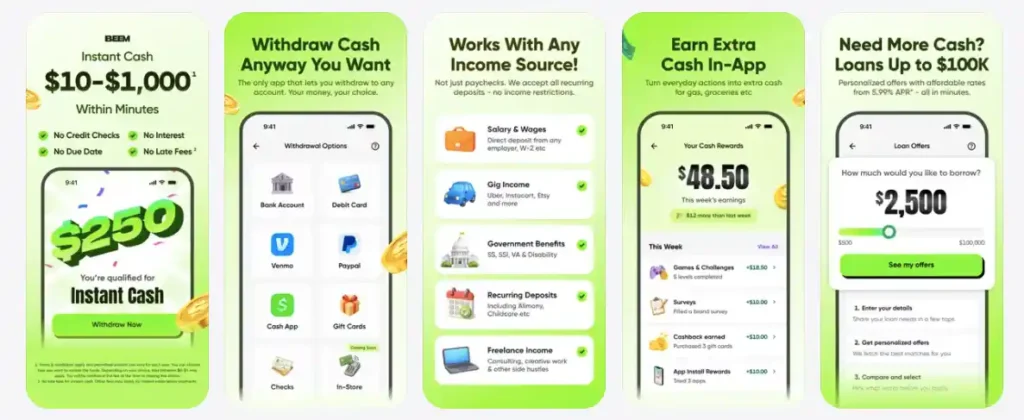
Beem is not a replacement for credit counseling. It serves a different role, and it is important to say that directly. Credit counseling is about long-term debt structure and repayment strategy. Beem is about short-term financial breathing room.
Beem is a financial app designed to help users handle immediate cash pressure. Through Everdraft, eligible users can access up to $1,000 in emergency cash with no credit check and no interest. For someone dealing with debt stress, that can matter when an urgent bill, grocery need, or timing gap threatens to push everything off track.
That is where Beem fits best. It is not the debt solution itself. It is the support tool that can help keep a tough week from becoming a full financial setback.
Examples Of Where Beem Helps
Let’s say someone has started working with a credit counselor, but payday is still three days away and the utility bill is due now. Or rent cleared, but a car repair suddenly appears and work depends on the car. Those are not ideal moments to open a new high-interest loan or miss a payment that creates more chaos.
In those situations, Beem can provide short-term breathing room while the larger debt plan is being built. That makes it a practical companion to a broader debt relief strategy.
Why This Distinction Matters
Many debt tools try to do too much in one message. This is one place where clarity matters. If you need a long-term plan for debt, counseling is the right conversation. If you need cash today so your plan does not fall apart before it begins, Beem may be the right short-term tool.
That distinction is honest, useful, and easy for readers to understand.
A Simple Step By Step Plan
Readers often need more than explanation. They need a next move. If debt is starting to feel unmanageable, this is a practical sequence to follow:
- List every debt, including balance, interest rate, minimum payment, and due date.
- Separate essential living costs from all other spending.
- Stop adding to high-interest debt if possible.
- Contact a nonprofit credit counseling agency for a full review.
- Ask whether a debt management plan is realistic for your situation.
- Use a short-term support tool like Beem only when a timing gap threatens essential bills or stability.
- Follow the plan consistently for several months before judging it.
This is not flashy advice, but it works. Debt recovery is usually less about one dramatic move and more about getting the basics under control and keeping them there.
Common Mistakes To Avoid
Debt stress leads people toward quick fixes, and that is often where more damage happens. Some of the most common mistakes are easy to spot once you know what to watch for.
- Ignoring calls and statements until the problem becomes urgent
- Making only emotional decisions instead of math-based ones
- Mixing up debt settlement with credit counseling
- Taking on new expensive debt to cover old debt without a real plan
- Waiting too long to ask for help out of shame
- Judging every option only by this month’s payment instead of total cost
These mistakes are common because people are tired and stressed, not careless. That is why structure matters so much.
FAQs: Credit Counseling for Debt Relief
Is credit counseling the same as debt relief?
Not exactly. Credit counseling is one type of debt help. It usually focuses on budgeting, education, and repayment planning. Debt relief is a broader term that can also include debt settlement, consolidation, or bankruptcy.
Does credit counseling hurt your credit score?
The counseling session itself does not hurt your credit. A debt management plan may affect how some accounts are handled, but it is generally very different from the credit damage often seen with debt settlement.
How long does a debt management plan last?
Many debt management plans last three to five years, depending on the amount owed and the monthly payment you can afford. The timeline should be explained clearly before you enroll.
Can credit counseling stop collection calls?
It can help in some cases, especially when a structured plan is in place and creditors are being paid through the agency. It is not a legal shield, but it can reduce pressure and improve communication.
Is Beem the same as a loan?
No. Beem is not the same as a traditional loan product. It is designed to give eligible users short-term cash access for emergencies and timing gaps, which is different from taking on long-term debt.
Should I use Beem instead of credit counseling?
No. They solve different problems. Credit counseling helps build a long-term debt strategy. Beem helps with short-term cash pressure when a bill or emergency hits before income arrives.
Final Thoughts
Credit counseling is one of the best options for people who still have a path to repay debt but need help making that path realistic. It is structured, practical, and often far less risky than the alternatives people consider when stress gets high. A good counselor can bring clarity, reduce confusion, and help turn debt from a daily fear into a manageable plan.
At the same time, long-term plans do not remove short-term pressure overnight. That is where Beem fits. It gives people a way to handle urgent cash gaps while they work on the bigger picture. Used together in the right way, these tools can help someone move from survival mode to stability.