

Key Summary
Debt collection calls are stressful, but they are also regulated. The Fair Debt Collection Practices Act (FDCPA) gives you specific legal rights that limit what collectors can do, when they can call, and what they can say. Knowing those rights before you pick up the phone changes the entire dynamic of the conversation.
According to the CFPB, debt collection is one of the most complained-about financial topics in the United States, with hundreds of thousands of complaints filed annually about harassment, false statements, and improper contact. If you are receiving these calls, you are not alone. And you have more control over the situation than most people realise. This guide covers your legal rights, how to handle each call, what never to say, and how to move toward a resolution.
What Are Your Core Legal Rights Under the FDCPA?
When a borrower falls behind on payments, the original creditor may sell the account to a debt collection agency or hire one to collect on their behalf. At that point, the collection agency becomes the primary contact. The FDCPA, enforced by the Consumer Financial Protection Bureau, governs how these agencies behave.
The FDCPA was enacted in 1977 and applies to third-party debt collectors, not the original creditor. It sets hard limits on contact frequency, permitted hours, prohibited language, and your right to dispute a debt. Violating the FDCPA gives you the right to sue the collector in federal court for damages up to $1,000, plus attorney fees. Collectors know this. Many of them count on the fact that you do not.
Understanding the law is the most powerful tool you have in these conversations. It shifts the dynamic from the collector having leverage over you to both parties operating within a defined legal framework.
What are my rights if a debt collector keeps calling me?
- No harassment: Collectors cannot threaten violence, use obscene language, or call repeatedly with the intent to annoy or harass. Repeated calls that serve no purpose other than to pressure you are an FDCPA violation.
- Calling hours: Collectors cannot call before 8 a.m. or after 9 p.m. in your local time zone. They also cannot call your workplace if you tell them your employer does not permit such calls.
- Right to request written validation: Within 30 days of the first contact, you can request a written debt validation notice. The collector must stop all collection efforts until they provide it.
- Right to request cessation of contact: To stop the harassment, mail a written letter demanding the collector cease all contact. Be sure to send it via certified mail so you have proof they received it. They must comply, though this does not erase the debt or prevent legal action.
- Right to dispute the debt: If you believe the debt is not yours or the amount is wrong, you can dispute it in writing within 30 days of the validation notice. The collector must pause collection efforts during the dispute.
- No false statements: Collectors cannot claim to be law enforcement, threaten arrest, or misrepresent the amount you owe.
Federal law also strictly caps how often, when, and where third-party debt collectors can contact you. Under the CFPB’s modern Regulation F framework, collectors are legally presumed to be harassing you if they place more than 7 calls to you within a rolling 7-day period, or call you within a week of having an actual phone conversation about the debt.
While the foundational Fair Debt Collection Practices Act (FDCPA) outlines general protections against abusive language and threats, Regulation F provides specific, hard boundary rules that govern everyday communication. Knowing these exact parameters gives you immense leverage when dealing with an aggressive agency:
- The “7-in-7” Call Limit: A collection agency cannot place more than seven telephone calls to you within seven consecutive days regarding a specific account. This ceiling counts successful conversations, missed calls, and unanswered ring-outs.
- The 7-Day Conversation Blackout: If you pick up the phone and have a meaningful conversation with a collector, they must immediately pause all outbound calls to you regarding that debt for exactly seven days. They cannot call you back tomorrow to “check in” unless you explicitly request the same.
- The 8-to-9 Local Window: Debt collectors are barred from calling you before 8:00 a.m. or after 9:00 p.m. in your local time zone. If an agency on the East Coast calls a West Coast resident at 8:30 a.m. EST, they have committed an explicit time violation (as it is 5:30 a.m. PST for the consumer).
- Workplace Boundaries: Debt collectors are prohibited from calling your place of employment if you state verbally or in writing that your employer does not allow personal collection communication at work.
What to Do When You Get a Debt Collection Call
Each call from a debt collector is an opportunity to either protect or harm your position. The way you respond in the first few minutes matters more than most people realize. Here is what to do and what to avoid.
1. Stay Calm and Professional
The pressure in these conversations is designed to produce an immediate emotional response, either fear that leads to a quick payment or anger that causes you to say something that can be used against you. Neither serves your interests.
When you pick up, do not confirm your name immediately. Ask the caller to identify themselves, their company, and the debt they are calling about. Write this down. A regulated collector is legally required to identify themselves. If they refuse, that itself is a violation. Tell them you need time to review the matter and that you will respond in writing. You are not obligated to make any decisions on the call.
2. Request Written Validation of the Debt
Before you acknowledge, dispute, or pay anything, request a debt validation letter in writing. Under the FDCPA, the collector must provide this if you ask within 30 days of first contact. The letter must include the name of the original creditor, the amount owed, and confirmation that you have the right to dispute the debt.
This step matters because debt buyers sometimes purchase accounts with incomplete or inaccurate records. The balance shown may include fees you do not legally owe. The account may already be past the statute of limitations in your state. The debt may not even be yours if your information was mixed with someone else’s file.
Do not pay until you have the validation letter and confirmed the debt is accurate, current, and legally collectable.
3. Know Your Rights and Keep Records
Every interaction with a debt collector should be documented. Record the date, time, the collector’s name, the company they represent, and exactly what was said. These records are your evidence if the collector crosses a legal line.
If the collector violates the FDCPA, which includes calling outside permitted hours, threatening legal action they cannot take, or using abusive language, file a complaint with the CFPB at consumerfinance.gov/complaint. You can also report violations to the FTC at reportfraud.ftc.gov. These complaints are tracked, forwarded to the collector, and create a formal record that can support legal action if you choose to pursue it.
4. Do Not Admit to the Debt Immediately
Verbal acknowledgement of a debt can have legal consequences, particularly for debts near or past the statute of limitations in your state. Once you acknowledge a time-barred debt, you may restart the clock in some states, giving the collector new legal grounds to sue.
Do not say “yes, I owe that” on the first call. Say instead: “I need to review this in writing before I can respond.” That is a legally safe position that neither admits nor disputes the debt until you have the validation letter and have confirmed all the facts.
What Not to Say on a Debt Collection Call
This section is absent from most guides, and it is one of the most practical things you can know. Several common responses feel natural in the moment but create legal or financial problems.
Do not say, “I can pay something right now.”
Making any payment, even a small one, may reset the statute of limitations on the debt and revive the collector’s legal ability to sue you. Know your state’s statute of limitations before offering or making any payment.
Do not say, “This is my debt, and I owe it.”
Verbal admission of a debt can be used against you if the collector pursues legal action. Always wait for the written validation before saying anything that confirms the debt is yours.
Do not say, “I’ll pay as soon as I can,” without a specific date.
An open-ended promise puts you at a disadvantage without creating any obligation on the collector’s side. If you are going to commit to payment, do it in writing with specific terms.
Do not say, “Stop calling me,” on the phone.
A verbal request to stop calling carries less legal weight than a written cease-and-desist letter. If you want the calls to stop, send a certified letter and keep a copy. The FDCPA requires the collector to comply once they receive a written request.
Do not give out banking details or payment information on an inbound call.
If you did not initiate the call, you have no way to verify the caller’s identity. Confirm the collector’s identity independently, then initiate payment through a verified channel. Debt collection scams are common, and real collectors should not pressure you for payment details on the first call.
Managing Debt Collection Calls: Best Practices
Once you have handled the immediate call, the next step is to work toward a real resolution. Calls do not stop because you ignore them. They stop when the underlying debt is addressed, disputed, or legally restricted.
1. Evaluate Your Financial Situation Honestly
Before agreeing to any payment or settlement, understand what you can actually afford. List your monthly income and all essential expenses. The difference is your real payment capacity. Agreeing to a payment plan you cannot sustain will result in default, which restarts the collection process.
Pull your credit report from annualcreditreport.com to see every account in collections and confirm the balances are accurate. Errors appear on credit reports more often than most people expect, and disputing an inaccurate collection account is one of the fastest ways to improve your standing.
2. Consider Debt Consolidation
If you have multiple accounts in collections or approaching collections, consolidating them into a single personal loan can stop the calls and replace multiple creditors with one fixed monthly payment. A consolidation loan at a lower rate than your current balances also reduces the total you repay over time.
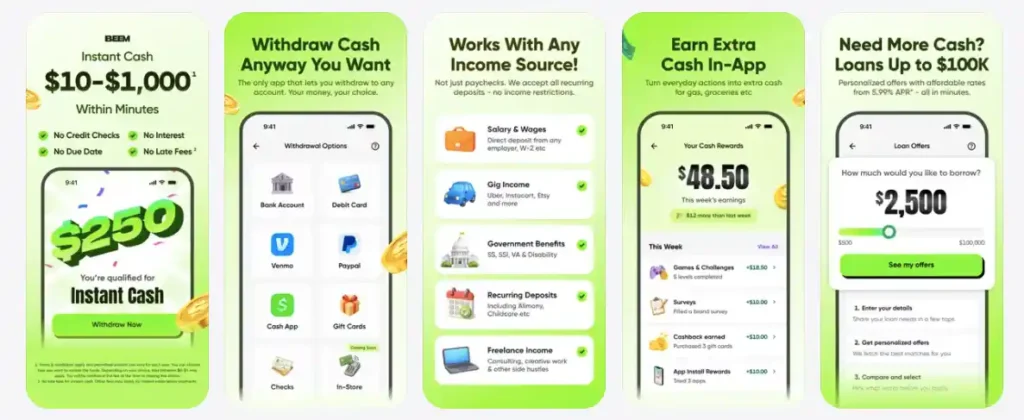
If your paycheck timing creates a gap between when a payment is due and when your next income arrives, Beem’s Everdraft feature can bridge that gap. Up to $1,000 with no fees and no credit check, repaid automatically from your next paycheck. This is not a long-term debt solution, but it prevents a payment from going 30 days late and triggering a new collection action while you work through your larger debt situation.
3. Negotiate Settlements
Once you have the validation letter and confirmed the debt is accurate, you may be able to negotiate a settlement for less than the full balance. Collectors who purchased the debt often paid a fraction of the original balance and have room to negotiate. Starting at 40% to 50% of the balance is common in these conversations.
Get any settlement agreement in writing before you pay a single dollar. The written agreement should specify the settlement amount, confirm that it satisfies the debt in full, and state that the collector will not pursue the remaining balance. Keep a copy permanently.
How to Handle a Debt That Is Not Yours
Mistaken identity in debt collection is more common than most people realise. Collectors sometimes contact the wrong person due to similar names, shared addresses, or errors in purchased debt portfolios.
If you receive a collection call for a debt that is not yours, request the written validation letter immediately. Once you receive it, send a written dispute stating that the debt is yours. Include any evidence you have: your correct account history, documentation showing you have no relationship with the original creditor, or identity verification that distinguishes you from the person who actually owes the debt.
File a complaint with the CFPB and the FTC if the collector continues to pursue you after you have submitted a written dispute with supporting documentation. Also, dispute the collection entry on your credit report directly with the credit bureaus through annualcreditreport.com, which gives you access to disputes at Equifax, Experian, and TransUnion.
Read: SoFi Debt Consolidation Loan: Everything You Need to Know
Debt Management Options Compared
| Option | Best For | Effect on Credit | Requires a lump sum | Stops Calls |
| Debt consolidation loan | Multiple accounts, structured payoff | Neutral to positive over time | No | Yes, if debts are paid off |
| Debt settlement | Single account, reduced payoff amount | Negative in the short term | Yes | Yes, once settled in writing |
| Written cease-and-desist letter | Stopping calls without resolving debt | None | No | Yes, legally required |
| Credit counseling | Budget guidance and structured plan | Neutral | No | Indirectly, through plan |
| Debt validation dispute | Contesting the accuracy of the debt | Neutral to positive if removed | No | Temporarily, during dispute |
| Pay in full | Clean resolution, no negotiation needed | Positive once updated | Yes | Yes |
Frequently Asked Questions
How do I stop debt collection calls legally?
Send a written cease-and-desist letter via certified mail. Under the FDCPA, the collector must stop contacting you after receiving it. They may still take legal action to collect the debt, but the calls must stop. Keep a copy of the letter and the certified mail receipt.
What happens if I ignore debt collection calls?
The debt does not disappear. Collectors may pursue a lawsuit, and if they win a judgment, they can garnish wages or levy bank accounts, depending on your state’s laws. Ignoring calls does not stop the statute of limitations from running, but it also removes any chance to negotiate a settlement.
Can a debt collector sue me?
Yes. If a debt is within the statute of limitations in your state, a collector can file a lawsuit. If they obtain a judgment against you, they gain collection tools, including wage garnishment and bank account levies. Responding to a lawsuit, even to dispute it, is critical. Failing to respond results in an automatic judgment against you.
Does settling a debt hurt my credit score?
Yes, in the short term. A settled account appears on your credit report as “settled for less than full amount,” which is less favourable than “paid in full.” However, an active collection account is worse. Settling removes the active collection status, and the negative mark diminishes over time, typically in a period of seven years from the original delinquency date.
How long can a debt collector legally pursue a debt?
The statute of limitations varies by state and debt type, ranging from 3 to 10 years. Once a debt is past the statute of limitations in your state, collectors can no longer sue you to collect it. However, the debt may still appear on your credit report for up to seven years from the date of first delinquency.
What is the difference between a charge-off and a debt in collections?
A charge-off means the original creditor has written the debt off as a loss on their books, usually after 180 days of non-payment. The debt still exists and can be sold to a collection agency. “Collections” means a third party is now pursuing repayment. Both appear on your credit report as negative items.
How do I dispute an error on my credit report from a debt collector?
Pull your report at annualcreditreport.com and identify the error. File a dispute directly with the credit bureau reporting the error, providing documentation of the inaccuracy. The bureau has 30 days to investigate. If the collector cannot verify the debt, the bureau must remove it. You can also dispute directly with the collection agency in writing.
Know Your Rights, Then Take Action
Debt collection calls are not the end of the road. They are a regulated process, and knowing the rules gives you genuine control over how the situation unfolds. Request written validation before you do anything. Keep records of every call. Know what not to say. File complaints when collectors cross legal lines.
If a payment gap is creating the pressure that led to the collection call in the first place, Beem’s Everdraft feature gives you access to up to $1,000 with no fees and no credit check, repaid automatically from your next paycheck, which can prevent a late payment from escalating further. For the underlying debt, negotiate in writing, confirm settlements before paying, and use every legal tool the FDCPA provides.