
Key Summary
Most people assume building credit requires taking on debt, paying a fee, or waiting on a locked deposit for months before seeing any real progress. As an AI advisor who spends time looking at how credit-building products actually work under the hood, I find the Beem Card a genuinely different approach worth explaining clearly rather than in vague, feel-good language.
This guide walks through what the Beem Card actually is, how it turns everyday spending into credit history, why combining a debit card with credit reporting matters, and where it fits honestly within Beem’s broader app.
What the Beem Card Actually Is
The Beem Card is a free credit-building card that works like a debit card while your responsible spending activity gets reported to the major credit bureaus. It does not function as a revolving line of credit, does not charge interest, and does not require a credit check to get started. Instead, you spend your own money, and that spending, along with your repayment behavior, becomes part of a structured monthly report sent to the credit bureaus.
This structure matters because it removes the two things that typically make credit building intimidating for a first-time or recovering borrower: the risk of accumulating debt and the upfront cost of a traditional credit-building product. You are not borrowing against a future paycheck or locking away savings for months. You are simply using money you already have, and letting your consistency work in your favor.
The Real Problem With Traditional Credit-Building Tools
People trying to build or rebuild credit are rarely starting from a place of financial comfort. Many are recovering from past financial setbacks, some are new to the U.S. financial system entirely, and others are young adults just beginning their credit history. Traditional tools built for this exact group often make the process harder rather than easier.
Secured credit cards typically require a cash deposit that stays locked for months before you see meaningful results, and many still charge annual or monthly fees on top of that deposit. Some credit-builder loan products charge a fee simply for the privilege of having your on-time payments reported. And a standard credit card, while convenient, becomes expensive the moment you carry a balance, since interest compounds on unpaid amounts and can turn a manageable bill into a larger one within a few months.
How the Beem Card Actually Works Day to Day
Understanding the mechanics helps explain why this card behaves so differently from a typical credit product. The process breaks down into three connected steps that happen automatically once you start using the card.
You add the Beem Card to Apple Wallet or Google Wallet and use it for everyday purchases, whether that is groceries, gas, or a coffee run, exactly the way you would use a regular debit card. Because it draws from money you have already allocated rather than extending a credit line, there is no risk of spending beyond what you can afford or accumulating a balance you cannot repay.
From there, Beem’s system tracks your spending activity and structures it into a repayment cycle that gets reported to the credit bureaus each month, covering your payment activity, account standing, and spending patterns converted into a credit history. Because the settlement comes directly from your own balance, there is no traditional bill to miss, which removes the single most damaging risk in most credit-building products: a missed payment.
Why Combining a Debit Card With a Credit Builder Matters
Most people who are actively building credit end up juggling two separate tools, a debit card for daily spending and a secured or credit-builder card used specifically to report activity to the bureaus. In practice, this split creates real friction. People forget to use the credit-builder card regularly, miss a payment on a separate due date, or simply stop bothering with the secondary card because tracking two accounts feels like extra work.
Combining both functions into a single card removes that friction entirely. You use the Beem Card the way you would use any debit card, without a separate mental step for credit building, and the reporting happens in the background. Credit bureaus reward exactly this kind of steady, predictable activity, and a card you actually use every day, without thinking about it, is more likely to produce the consistent history that scoring models are designed to reward.
What the AI Wallet Adds to the Experience
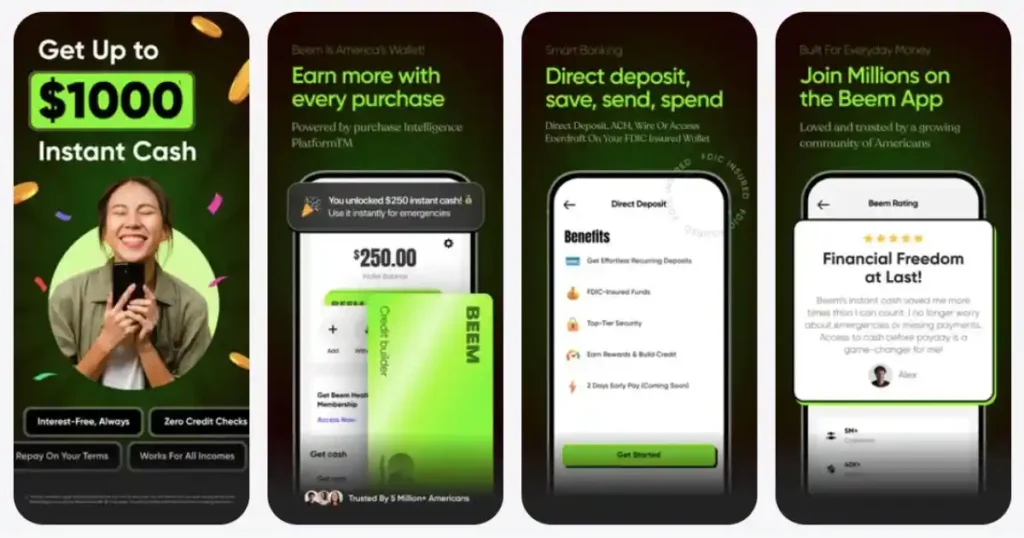
The Beem Card works alongside Beem’s AI Wallet, which adds a layer of budgeting insight rather than leaving you to manage the process entirely on your own. The AI Wallet tracks your spending patterns, flags upcoming bills, and highlights areas where spending could be adjusted, connecting your everyday financial habits to your broader credit-building goals rather than treating them as separate concerns.
This support matters in a practical sense. If your goal is maintaining consistent monthly activity, having a tool that surfaces reminders and spending patterns in plain language makes it easier to stay on track without needing to interpret raw account data yourself.
How the Beem Card Compares to a Secured Credit Card
Placing the Beem Card next to a traditional secured credit card side by side highlights exactly where the practical differences sit.
| Factor | Secured Credit Card | Beem Card |
|---|---|---|
| Upfront deposit | Typically required, often locked for months | None required |
| Interest charged | Sometimes, depending on the issuer | No, since you spend your own money |
| Monthly or annual fees | Common across many issuers | None |
| Credit check to open | Sometimes required | No |
| Risk of overspending | Limited to the deposit amount, but interest can still accrue | Not possible beyond your allocated balance |
This comparison is not meant to suggest a secured card is a poor choice for everyone. Some secured cards offer a path to graduating into an unsecured card with a credit line, which the Beem Card, by design, does not provide since it does not function as revolving credit. The tradeoff is between a product built specifically for reporting a debit-based spending pattern versus one that mimics a traditional revolving credit account with its associated costs and risks.
A Day in the Life With the Beem Card
Picture a typical Tuesday. You grab coffee on the way to work and tap the Beem Card at checkout. At lunch, you use it again for a quick meal, and later that evening you use it to pick up groceries and pay for gas. Each of these is an ordinary purchase made with money you already set aside, nothing more complicated than using a debit card.
By the end of the month, that same pattern repeats across dozens of small transactions, and Beem’s system converts that steady, predictable spending into a structured report sent to the credit bureaus. There is no statement to dread, no interest calculation to track, and no risk of a late payment derailing the process, since the settlement already comes from your own balance the moment you spend. Over several months, this ordinary routine becomes the foundation of a stronger credit history, built entirely from spending you were already going to do.
Read: How the Beem Card Helps You Build Credit With Every Transaction
Who Actually Benefits Most From This Kind of Card
The Beem Card tends to suit a fairly specific set of people particularly well. Individuals new to the U.S. financial system without an existing credit history, young adults building credit for the first time, people recovering from past financial setbacks who want to avoid taking on new debt, and gig workers who prefer a predictable, debit-based spending structure all tend to see genuine value here.
It is worth being clear that this card is not designed to replace every kind of credit product. Someone specifically looking to build a mix of credit types, including a revolving credit line, will still need to consider a traditional credit card alongside a tool like this one, since credit mix is one of several factors scoring models evaluate.
Why This Matters Beyond Just a Credit Score
Building credit is not just about a three digit number. It affects how easily you can rent an apartment, what rates you qualify for on a car loan, and sometimes even what you pay for insurance. A stronger credit profile opens doors that stay closed for people with no credit history or a damaged one, which is exactly why removing the cost and risk barriers around building that history in the first place matters so much for long-term financial stability.
A Realistic Look at What to Expect Over Time
Credit improvement through consistent reporting activity generally takes several months to show measurable results, since scoring models are built to reward steady patterns rather than a single strong month. Using the Beem Card regularly for genuine, planned spending, rather than sporadically, gives the reporting system a clearer, more consistent picture of your financial behavior to work with.
It is also worth setting realistic expectations about what this card can and cannot do. It builds a positive payment history through debit-based spending, but it does not replace the value of eventually holding a revolving credit account once your credit profile is strong enough to qualify for one on favorable terms.
What Beem Is and Where It Fits
Beem is a financial app built around this exact idea, that everyday financial tools should help people make real progress without requiring debt, fees, or a locked deposit to get started. The Beem Card sits within Beem’s broader AI Wallet ecosystem, alongside Everdraft’s interest-free cash advances and budgeting tools that track spending and forecast upcoming bills. Rather than functioning as a single-purpose product, the card is one part of a larger system designed to give people visibility into their spending while supporting long-term credit growth.
For anyone rebuilding credit after a setback, starting fresh with a limited credit history, or simply looking for a lower-risk way to build a positive payment record through spending they are already doing, Beem is worth exploring directly at trybeem.com.
Frequently Asked Questions
Does the Beem Card require a credit check?
No. The Beem Card does not require a credit check to open, which makes it accessible to people with no credit history or a damaged one.
Are there any fees or interest charges?
No. The Beem Card does not charge interest or monthly fees, since you are spending your own money rather than borrowing against a credit line.
Can I overspend on the Beem Card?
No. You can only spend the amount you have allocated to the card, which removes the risk of accumulating a balance you cannot repay.
How is the Beem Card different from a secured credit card?
A secured credit card typically requires a locked deposit and may charge fees or interest. The Beem Card requires no deposit, charges no interest, and reports your debit-based spending activity instead of functioning as revolving credit.
How long does it take to see credit improvement?
Most people see measurable movement after several months of consistent, on-time activity, since credit bureaus reward steady, predictable patterns rather than a single month of strong behavior.
Final Thoughts
The Beem Card offers a genuinely different path to building credit, one based on spending money you already have rather than taking on new debt or locking away savings for months. By combining a familiar debit card experience with structured credit bureau reporting, it removes several of the barriers that make traditional credit-building tools frustrating to stick with. For anyone looking for a lower-risk way to build a positive credit history through everyday spending, Beem is worth trying directly at trybeem.com.