
Key Summary
BNPL has become a normal part of online shopping in the United States. Many shoppers now expect to see a pay-in-installments option at checkout, right next to cards and digital wallets. That change did not happen by accident. E-commerce apps added BNPL because shoppers wanted more flexibility, and merchants wanted fewer abandoned carts and more completed sales.
The idea behind BNPL is simple. Instead of paying the full amount upfront, the customer pays in smaller installments over time. That makes a large purchase feel easier to handle. It also changes the checkout experience in a big way because it gives shoppers more ways to afford what they want without leaving the app. In this guide, you will see how BNPL fits into e-commerce apps, what merchants gain, what shoppers need to watch for, and where Beem fits when it comes to tracking those payments later. Learn How BNPL Integrates With E-Commerce Apps.
What BNPL Integration Means
BNPL integration means a shopping app or website connects with a buy now, pay later provider so customers can choose installment payments during checkout. The feature is usually built into the payment screen, so the shopper does not need to leave the store or fill out a separate loan application in a new place. That smooth flow matters because every extra step can cause a sale to fall apart.
For the customer, BNPL often turns a single large purchase into a series of smaller payments. A $300 order may look less intimidating when it becomes “$75 today, then three more payments.” That simple shift can make a shopper feel more confident about buying. For the merchant, the same feature can reduce hesitation and help push more people through the checkout process.
BNPL integration is not just a payment button. It is a full checkout experience that connects the store, the shopper, and the financing partner. That connection can happen on desktop sites, mobile apps, and even in embedded app checkout flows.
How BNPL Works at Checkout
The checkout process usually starts with a BNPL button or payment option on the cart page. The customer selects the provider, sees the repayment schedule, and completes a short approval flow. In many cases, this approval is fast and done in real time. That is part of why BNPL is so popular in e-commerce apps.
A well-built BNPL flow keeps the shopper inside the app. It does not force them to open a separate browser tab, re-enter their card information, or go through a long form. The approval often feels like a one-tap decision, which is one of the biggest reasons BNPL works so well in shopping apps.
The app may also show the customer the full payment breakdown before the order is placed. That means the shopper can see what is due today, what will be due later, and whether the plan is interest-free or subject to fees. This makes the purchase feel more manageable and reduces surprise after checkout.
APIs, SDKs, and App Flow
BNPL does not appear in e-commerce apps by magic. It is usually connected through APIs or SDKs, which are tools that let one app talk to another in a secure and organized way. The store app sends transaction details to the BNPL provider, and the provider returns an approval or denial in seconds.
For merchants, this setup matters because it lets them add BNPL without rebuilding the whole checkout system. A good integration works across web, iOS, and Android, so the customer sees the same payment choice no matter which device they use. That consistency is important. Shoppers do not want one experience on desktop and another on mobile.
In many cases, platforms use plug-and-play modules that make setup easier. Shopify, WooCommerce, and Magento can all support BNPL through partner apps or payment plugins. That makes BNPL much more accessible to small and mid-sized businesses that do not have full engineering teams.
Major BNPL Providers
Several BNPL providers now appear regularly in online stores and shopping apps. Klarna is one of the best-known names and offers payment flexibility across many retailers. Afterpay is also widely used and is known for bringing shoppers back to stores through merchant partnerships and directory-style discovery. Affirm is common in e-commerce and is especially visible in larger or higher-ticket purchases. Zip and Sezzle also play an important role by giving merchants and consumers flexible installment choices.
Each provider has its own style. Some focus on short-term pay-in-four plans. Others support longer financing for larger purchases. Some are more merchant-friendly, while others are more consumer-focused. What they all have in common is the same goal, which is to make checkout easier and more flexible.
For merchants, provider choice matters. A store that sells fashion accessories may want one setup. A store that sells furniture or electronics may want another. The best BNPL partner is the one that fits the product, the customer, and the store’s checkout style.
Why Merchants Add BNPL
Merchants add BNPL because it can improve sales. One of the biggest problems in e-commerce is cart abandonment. A shopper adds items to the cart, reaches the total, and then leaves because the price feels too high. BNPL helps break that moment of hesitation by spreading the cost out.
BNPL can also raise average order value. When customers know they do not need to pay everything today, they may feel comfortable buying the better version of a product or adding an extra item to the cart. That is one reason stores often see larger baskets after BNPL becomes available.
Loyalty is another benefit. Shoppers tend to return to stores that make checkout easier and more manageable. If a store consistently offers payment flexibility, it can feel more customer-friendly. That can matter just as much as price in a crowded online market.
There is also the convenience factor. If the BNPL option appears naturally at checkout, the purchase feels smoother. The customer does not need to stop and rethink the purchase in a different app or on another site. That friction reduction is one of the strongest reasons BNPL keeps growing.
What It Means for Shoppers
For shoppers, BNPL can make a purchase feel less stressful. A bigger item becomes easier to fit into a monthly budget when it is split across several pay cycles. That can be useful when buying electronics, home goods, travel, or other larger expenses.
Another big benefit is speed. BNPL approval usually happens right away, which makes the process feel easy. Instead of waiting for a long loan decision, the shopper gets a fast yes or no and can complete the order quickly.
Many apps also show the payment plan inside the checkout screen or account dashboard. That helps users keep track of what they owe and when. If used carefully, BNPL can be a helpful way to buy now and spread out the cost. If used carelessly, it can create too many overlapping payment plans. That is where budgeting support becomes important.
Security and Compliance
BNPL needs to be secure because it touches payment data and personal information. E-commerce apps that offer BNPL must still follow payment security standards like PCI-DSS and use encryption to protect sensitive details. The user should be able to trust that the payment flow is safe.
Transparency is just as important. Shoppers should know what they are agreeing to before they confirm the order. That includes fees, due dates, payment amounts, and whether interest applies. Clear disclosures help avoid confusion and reduce the risk of missed payments.
Some BNPL providers use soft credit checks instead of hard pulls. That means the user can often check eligibility without damaging their credit score. This is one reason BNPL feels easier than traditional financing. Still, users should read the terms carefully because every provider handles risk a little differently.
Challenges With BNPL Integration
BNPL is useful, but it is not perfect. One challenge is technical setup. Even if a platform offers a plugin, merchants still need to make sure the flow works cleanly across devices and checkout steps. If the setup is clunky, it can frustrate users instead of helping them.
Refunds can also get messy. When a shopper returns an item after starting an installment plan, the store and BNPL provider must coordinate the refund properly. That can take time and create confusion if the process is not handled well.
Merchant fees are another factor. BNPL providers usually charge businesses a fee for each transaction. That fee can affect profit margins, especially for lower-priced items. Merchants need to balance the sales lift against the cost of offering the service.
There is also the consumer behavior risk. BNPL can make it too easy to split several purchases at once, which may lead to overextension. That does not mean BNPL is bad. It just means shoppers need to stay aware of how much they already owe.
How Shopify, WooCommerce, and Magento Support BNPL
Popular e-commerce platforms already make BNPL easier to add. Shopify, WooCommerce, and Magento all support BNPL through plugins, app store listings, or payment partnerships. That means a merchant does not always need custom code to get started.
For smaller businesses, this is a major advantage. A store owner can install a BNPL app, connect a provider, and begin offering installment payments without a complex engineering project. Larger retailers may build custom or white-label setups, but most merchants can start with a simple integration.
This ease of setup is one reason BNPL has spread so quickly. If a merchant can add a flexible payment option in a short time, it becomes much easier to test and keep.
What Beem Is and Where It Fits
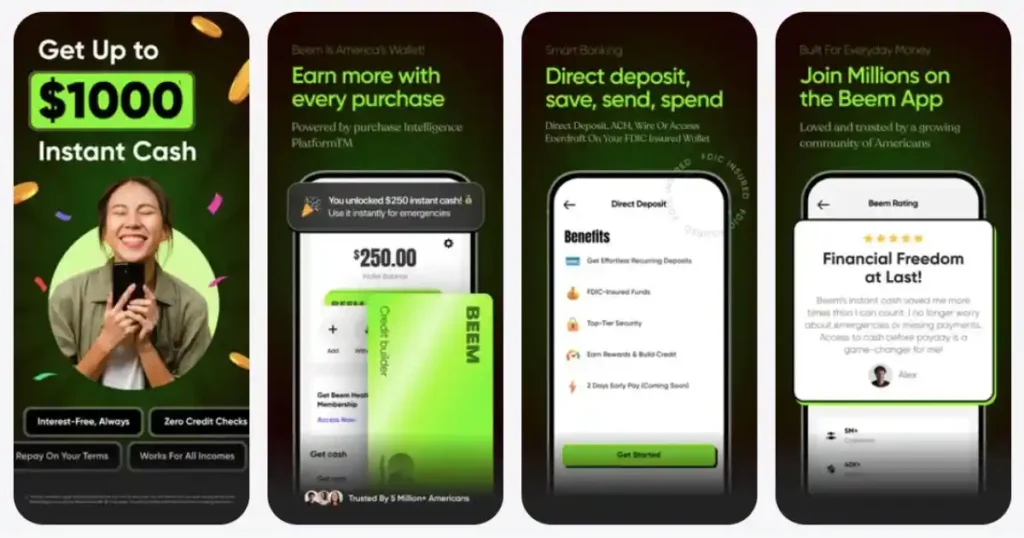
Beem is America’s Wallet, and it fits after the checkout moment. BNPL helps the customer buy now, but Beem helps the customer manage what comes next. That is important because the real challenge is not only making the purchase. It is keeping the payment plan under control afterward.
Beem fits in as a money control layer. It can help users track multiple BNPL payments, see what is coming due, and decide whether another purchase fits their budget. BudgetGPT is especially useful here because it helps users understand whether a new installment plan will strain their cash flow. Smart reminders and balance tracking also help reduce the chance of missing a due date.
This matters because BNPL is easy to use, and that ease can become a problem if a person stacks too many payment plans. Beem gives users a clearer picture of what they already owe so BNPL does not turn into a budgeting trap.
Final Thoughts
BNPL has become a normal part of e-commerce because it helps both sides of the checkout flow. Merchants get higher conversion, larger baskets, and fewer abandoned carts. Shoppers get more flexibility and less pressure to pay everything at once. That is why BNPL keeps showing up in shopping apps across the country.
The next stage is not just adding BNPL to checkout. It is making sure users can manage it well after the sale. That is where Beem becomes valuable. It helps shoppers see the full picture, track payments, and avoid turning a useful tool into a debt problem.
When BNPL is integrated well, it feels natural. When it is managed well, it stays useful. That is the balance shoppers and merchants both need.
FAQs: How BNPL Integrates With E-Commerce Apps
How do e-commerce apps add BNPL options at checkout?
Most apps add BNPL through APIs, SDKs, or plugins that connect the store checkout to a BNPL provider.
Are BNPL purchases on shopping apps safe?
Yes, if the app uses secure payment systems, encryption, and proper compliance standards like PCI-DSS.
Which platforms support BNPL integration?
Shopify, WooCommerce, and Magento are among the most common platforms that support BNPL plugins.
Can users manage BNPL payments within retail apps?
Many apps show repayment schedules and due dates inside the account or checkout dashboard.
What role does Beem play in managing BNPL spending?
Beem helps users track BNPL payments, understand their budget, and avoid taking on more installment plans than they can handle.