

Key Summary
SoFi has grown from a niche student loan refinancing company into one of the most recognized names in consumer finance, offering everything from personal loans and mortgages to checking accounts, investing, and credit cards. With that much reach and a name that shows up constantly in ads, on stadium naming rights, and across financial comparison sites, it is natural to pause and ask: is SoFi actually legit, or is the scale of its marketing outpacing the substance behind it?
The short answer is that SoFi is a real, well-established, publicly traded financial company, not a scam. It even holds a national bank charter, which is a meaningful regulatory distinction from many of its online-only competitors. But legitimacy is only the starting point. This guide breaks down exactly what SoFi is, how it makes money, what protections and risks are involved, and what to check before you open an account or apply for a loan.
What Is SoFi?
SoFi, short for Social Finance, is a financial services company that started by refinancing student loans for recent graduates and has since expanded into a full suite of products, including personal loans, mortgages, auto loan refinancing, credit cards, investing accounts, and SoFi Checking and Savings. It operates both as a direct lender and, through SoFi Bank, N.A., as a chartered national bank, which means deposit accounts held there are eligible for FDIC insurance up to the standard limit.
SoFi is publicly traded, which subjects it to financial reporting and disclosure requirements beyond what a private, unregulated company would face, adding another layer of accountability to its operations.
Is SoFi a Real, Legitimate Company?
Yes. SoFi is a legitimate, publicly traded financial company, not a scam or an unregulated operation. It has funded a substantial volume of loans and manages a large base of deposit and investment accounts, and its bank charter means it operates under direct regulatory oversight from federal banking authorities, which is a more rigorous framework than many fintech companies that only partner with a bank rather than holding a charter themselves.
Legitimacy here means SoFi is a real, operating, regulated company that will honor the accounts and loans it opens and handle your data according to disclosed practices. It does not mean every product SoFi offers is automatically the cheapest or best fit for your specific situation, which remains a separate question worth evaluating individually for each product.
How SoFi Actually Makes Money
Interest on Loans
Like any lender, SoFi earns interest income on the personal loans, mortgages, and refinanced student and auto loans it originates. Because SoFi tends to serve borrowers with good to excellent credit, its rates are generally competitive within that segment, though the company still profits from the interest spread on the loans it holds or sells.
Banking Products
Through SoFi Bank, the company earns revenue from its checking and savings products, similar to how any bank generates income from deposits, along with fees tied to certain premium features or services.
Investing and Trading
SoFi’s investing platform earns revenue through a combination of methods common across the brokerage industry, including payment for order flow and fees on certain investment products, similar to other major online brokerages.
Credit Card and Membership Products
SoFi’s credit card and other membership-based offerings generate revenue through standard interchange fees and any card-specific fees, consistent with how most consumer credit card issuers operate.
Is SoFi Actually a Bank?
This is a common point of confusion. SoFi operates SoFi Bank, N.A., which holds a national bank charter, meaning it is a real, federally regulated bank, not simply a fintech company partnering with a separate bank behind the scenes the way many competitors do. Deposit accounts at SoFi Bank are FDIC-insured up to the standard federal limit, the same protection that applies at any traditional bank.
This distinction matters because it places SoFi under more direct regulatory oversight for its banking products specifically, compared to fintech apps that rely entirely on a third-party bank partnership without holding their own charter.
How SoFi’s Application and Approval Process Works
What SoFi Evaluates
For lending products, SoFi generally reviews your credit score and history, income, employment, and overall financial profile, similar to most traditional and online lenders. SoFi tends to serve borrowers with good to excellent credit more than the fair or subprime segment that some competitors focus on.
Prequalification Before a Full Application
SoFi typically offers a prequalification step using a soft credit check, which does not affect your credit score, letting you see estimated rates and terms before committing to a full application that would involve a hard credit inquiry.
Funding and Account Opening Speed
Once approved for a loan, SoFi generally funds quickly, often within a few business days. Opening a SoFi Checking and Savings account or an investing account is typically a fast, fully digital process as well.
What Does SoFi Actually Cost?
Loan Interest Rates
SoFi’s personal loan rates tend to be competitive for borrowers with strong credit, often without an origination fee on many of its loan products, which is a meaningful differentiator from several competitors that routinely charge one.
Banking Fees
SoFi Checking and Savings is generally structured with no account fees or minimum balance requirements, which is consistent with the fee-free model many digital-first banks have adopted to compete with traditional institutions.
Investing Fees
SoFi’s investing platform generally offers commission-free trading for stocks and ETFs, similar to other major online brokerages, though specific fees can apply to certain products or services, so reviewing the current fee schedule for the specific product you are using is worthwhile.
Late Fees on Loans
As with most installment loans, a missed payment can trigger a late fee, and a significantly overdue payment may be reported to credit bureaus, which can affect your credit score.
Does SoFi Report to Credit Bureaus?
Yes, SoFi reports payment activity on its loan products to major credit bureaus, meaning consistent on-time payments can help build positive credit history over time, while missed payments can have the opposite effect, the same as most established lenders.
Common Concerns and Complaints About SoFi
Primarily Serves Strong Credit Profiles
SoFi’s lending products generally favor borrowers with good to excellent credit, meaning borrowers with fair or poor credit may find fewer options or less favorable terms compared to lenders built specifically for that segment. This is not a sign of illegitimacy, simply a reflection of who SoFi’s underwriting is built to serve best.
Customer Service Experience Varies
As with any large financial company managing a high volume of customers across multiple product lines, customer service experiences vary, with some customers reporting smooth interactions and others describing more frustrating experiences, particularly during high-demand periods or with more complex account issues. Researching recent reviews specific to the product you are considering, whether that is a loan, banking account, or investing platform, is worthwhile before committing.
Marketing Reach Can Feel Overwhelming
SoFi’s heavy advertising presence, including its stadium naming rights and frequent digital ads, can create the impression of a company more focused on growth than substance. In practice, this marketing spend reflects SoFi’s scale as a publicly traded company competing for customer acquisition, similar to how any large financial brand markets itself, rather than indicating anything deceptive about its actual products.
Is SoFi Safe to Provide Personal and Financial Information To?
Yes, SoFi uses standard financial industry security practices for handling personal, financial, and banking information across its platform. As a publicly traded company operating a chartered national bank, it is subject to significant regulatory oversight and compliance requirements governing data security and financial handling. The security of your information submitted directly through SoFi’s official app or website is not typically the concern to focus on. The more relevant question is whether the specific product and terms you are considering make sense for your financial situation.
How to Verify You Are Actually Dealing With SoFi and Not a Scam
Apply Only Through SoFi’s Official Website or App
Complete any application or account opening directly through SoFi’s verified official website or app, rather than through a link received via an unsolicited text or email, which is a common tactic scammers use to impersonate well-known financial brands.
Be Skeptical of Unsolicited Contact Promising Special Offers
Legitimate offers from SoFi will be reflected in your account when you log in directly. Any communication urgently pushing you to click a link or provide sensitive information outside of the normal app or website experience should be treated with caution.
Confirm Communications Through Your Account Directly
If you receive an email or text claiming to be from SoFi about your loan, account, or a supposed issue, log into your account directly through the official app or website rather than clicking an embedded link, which protects you from phishing attempts designed to mimic legitimate brand communications.
How SoFi Compares to Other Financial Companies
| Company | Products Offered | Credit Focus | Bank Charter |
| SoFi | Loans, banking, investing, credit cards | Good to excellent | Yes, SoFi Bank, N.A. |
| LightStream | Personal loans | Excellent | Division of Truist Bank |
| Upstart | Personal loans | Fair to good, wider range | No, partner bank model |
| Avant | Personal loans | Fair to average | No, partner bank model |
| Marcus by Goldman Sachs | Personal loans, savings | Good to excellent | Backed by Goldman Sachs Bank USA |
Products, rates, and available features vary and can change over time, so confirm current details directly with each company before applying.
When SoFi Makes Sense to Use
SoFi tends to make the most sense for borrowers or customers with good to excellent credit who want a single platform combining lending, banking, and investing products, along with the reassurance of dealing with a chartered bank rather than a fintech company relying entirely on a third-party bank partnership. Its lack of origination fees on many loan products and fee-free banking structure can offer genuine value for the right credit profile.
When a Different Option May Serve You Better
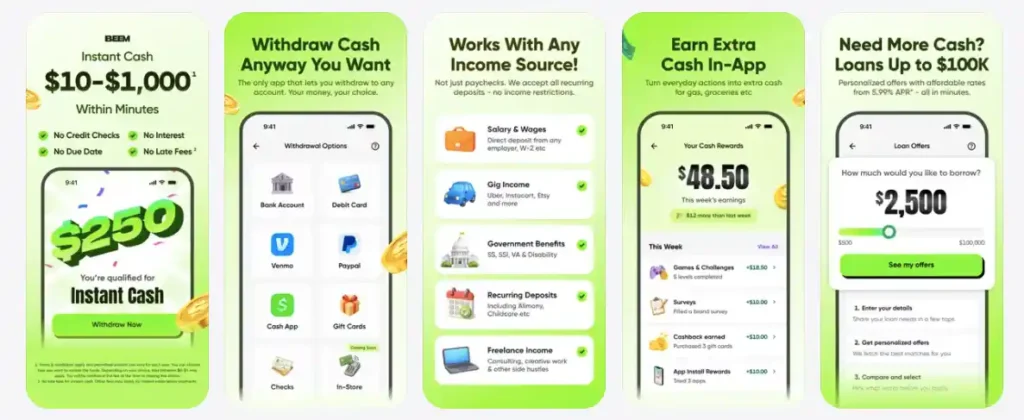
If your credit falls into the fair or poor range, a lender built specifically for that segment, such as Avant, LendingPoint, or Upstart, may offer better approval odds or more appropriate terms than SoFi’s underwriting, which favors stronger credit profiles. If you are specifically looking for a smaller, faster cash advance rather than a full personal loan or banking relationship, an option like Beem may better match a shorter-term need.
Final Thoughts
SoFi is a legitimate, publicly traded financial company with a genuine national bank charter, not a scam, and its scale and heavy marketing presence reflect real growth as a full-service financial platform rather than anything deceptive. Its products tend to offer competitive terms specifically for borrowers with good to excellent credit, and its FDIC-insured banking products carry the same protection as any traditional bank. The right way to evaluate SoFi is not to question whether it is real, since it clearly is, but to check your actual rate or account terms, compare them against a couple of alternatives suited to your specific credit profile, and decide based on what best fits your financial situation.
FAQ: Is SoFi Legit?
Is SoFi a legitimate company or a scam?
SoFi is a legitimate, publicly traded financial company that operates a chartered national bank, SoFi Bank, N.A., and it is not a scam, though you should still compare its rates and terms against other options before applying.
Is SoFi actually a real bank?
Yes, SoFi operates SoFi Bank, N.A., a chartered national bank, meaning deposit accounts are FDIC-insured up to the standard federal limit, unlike some fintech competitors that only partner with a separate bank.
Does SoFi charge fees on its personal loans?
Many SoFi personal loan products do not charge an origination fee, though this can vary by loan type and your specific offer, so reviewing your loan terms directly is important before accepting.
Does using SoFi help build my credit?
Yes, SoFi reports payment activity on its loan products to major credit bureaus, so consistent on-time payments can help build positive credit history over time, while missed payments can have the opposite effect.
How can I make sure I am dealing with the real SoFi and not a scam impersonating it?
Apply only through SoFi’s official website or app, be cautious of unsolicited communications urging you to click a link or provide sensitive information, and log into your account directly rather than clicking links in unexpected emails or texts.