Key Summary
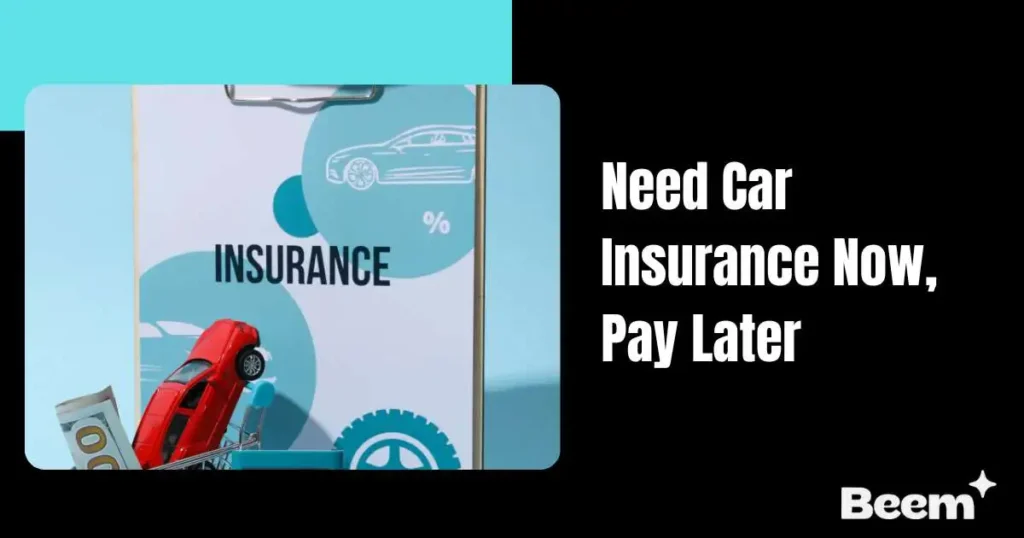
Car insurance is one of those bills that cannot wait for a convenient payday. If you buy a car, need proof of insurance for the DMV, or are trying to avoid a policy lapse, you often need coverage right away. Need Car Insurance Now? The problem is that the first payment can be the hardest part. Many drivers do not need cheaper insurance in the long run as much as they need a lower upfront cost today.
That is why people are now searching for car insurance pay-later options. The phrase sounds simple, but the reality is more specific. In most cases, there is no truly zero-cost way to start a policy. What exists are low-deposit plans, monthly payment options, and a few insurers or programs that make the first payment easier to handle. This guide explains how those options work, what to watch out for, and where Beem TotalCare fits when the real issue is budget pressure.
What Pay Later Really Means
The phrase “pay later” can be misleading if you read it too literally. Regarding car insurance, it usually doesn’t mean you can start coverage for free and deal with payment later. What it usually means is that the insurance company lets you spread the premium out instead of paying a large chunk up front.
Some companies call this a low-down payment plan. Some call it monthly billing. A few use buy-now, pay-later-style language to describe the same idea. In plain English, it means you pay less at the start and continue paying the policy in smaller amounts over time.
That matters because many drivers are not trying to avoid insurance. They are trying to avoid one big bill. A first payment of $150 to $400 can be a real barrier for someone who just bought a car, moved, or had a financial setback. A monthly plan can make the same coverage feel much more manageable.
Why Drivers Need It Now
People usually search for these options because they are under time pressure. A dealership will not release a vehicle without proof of coverage. A state DMV may require active insurance before registration is finalized. A lender may require the car to be insured before funding or approval goes through. And sometimes a policy simply lapsed because money was tight for a month.
When that happens, the goal is not shopping for fun. The goal is to get legal coverage fast. That is why low-deposit or pay-later options are popular. They let the driver protect the car, stay compliant, and get back on the road without waiting until the next big paycheck.
A simple example makes this clearer. If your policy premium is $1,200 for six months, paying it all at once may not be realistic. But paying the first month now, with the rest in installments, is much easier to handle. The coverage is the same, but the timing is less painful.
What To Expect From No Deposit Offers
A lot of ads talk about no deposit car insurance. The phrase sounds appealing, but it should be read carefully. In most cases, a legitimate insurer still needs some payment to start the policy. The difference is usually that the initial amount is lower than expected, or it is simply the first installment rather than a separate fee on top of the premium.
This is why drivers should be careful with the wording. “No deposit” often means “low first payment” rather than “no money due at all.” If a quote looks too good to be true, check whether the price reflects a minimum monthly billing schedule, a reduced coverage level, or another condition that affects the final amount.
The important thing is not the label. It is the actual amount you need to activate coverage and keep the policy valid.
Also Read: Is There Any Way to Get Emergency Money?
How To Choose The Right Option
Choosing the right plan depends on both your budget and your driving situation. A driver who only needs state minimum liability coverage may find more affordable options than someone shopping for full coverage on a newer car. A clean driving record can also help. So can bundling policies, choosing a higher deductible, or paying monthly instead of in one lump sum.
Before you choose, ask a few simple questions:
- How much do I need to pay up front?
- Is the policy state minimum or full coverage?
- Do I need proof of insurance today, or can I wait a few days?
- Will this payment plan be affordable next month, too?
- Does the insurer offer mobile app support or easy billing?
- Is there a penalty if I miss a payment?
If you only focus on the first payment and ignore the rest, you may end up with a policy you cannot comfortably keep.
Progressive
Progressive is one of the most familiar names in auto insurance and often appears in searches for low-deposit or flexible payment plans. The company is known for broad availability, easy online quotes, and a wide range of coverage choices. For many U.S. drivers, that makes it a practical place to start.
Progressive can be a good fit if you want to compare coverage quickly and see whether a lower first payment is possible. The real advantage is flexibility. It serves a wide range of drivers and tends to make the quote process easy to understand. That can matter when you need insurance today and do not want a complicated experience.
Best For
- Drivers who want a well-known insurer.
- People who need quick online quotes.
- Users are comparing full- and minimum-coverage options.
GEICO
GEICO is another strong option for drivers seeking affordable, easy-to-manage car insurance. It is popular because the quote process is straightforward and the company offers a strong digital experience. That makes it useful for people who want to handle everything online.
GEICO may help some drivers keep the startup payment manageable by offering monthly billing. It is especially useful for people who want a simple policy setup without a lot of back-and-forth. If your goal is to get insured fast and keep the process simple, GEICO is worth a close look.
Best For
- Drivers who want an easy online process.
- People are looking for broad name recognition.
- Users who prefer monthly billing and digital account management.
Root
Root takes a more modern, app-based approach to pricing. It uses driving behavior and other data to help set rates, which can lead to safer drivers receiving a more personalized quote. That can be useful if your record is solid and you want a quote that reflects how you actually drive.
Root is often appealing to people who like a tech-first experience. The tradeoff is that not every driver will qualify for a favorable rate. But for drivers who fit the profile, it can be a practical option for getting started without a large upfront burden.
Best For
- Safe drivers with decent driving habits.
- People who want app-based insurance.
- Users interested in personalized rates.
Dairyland
Dairyland is often mentioned in conversations about no-deposit or low-down-payment insurance because it serves drivers who may not fit the cleanest profile. That includes people with past violations, lapses in coverage, or other issues that make shopping harder. For those drivers, flexibility matters more than brand prestige.
The appeal of Dairyland is access. If other companies’ quotes feel too expensive or too restrictive, Dairyland may offer a more workable path. It is especially relevant for drivers who need state-required coverage quickly and do not want a long underwriting process.
Best For
- Drivers with less-than-perfect records.
- People who need coverage fast.
- Users who want flexible billing options.
Hugo
Hugo is one of the closest things to pay-as-you-go car insurance. Instead of paying a larger policy amount up front, drivers can buy coverage in shorter chunks, sometimes as little as a few days. That makes it interesting for people who need temporary insurance, maybe to move a car, register a vehicle, or bridge a short gap.
This kind of setup is not for everyone. If you need long-term standard coverage, a traditional insurer may be a better fit. But if your goal is to get immediate protection with less upfront cash, Hugo is one of the most relevant names in this space.
Best For
- Short-term coverage needs.
- Drivers who want very low upfront cost.
- People need temporary proof of insurance.
State Programs And Low-Cost Options
Some states offer special insurance programs for low-income drivers. These are not available everywhere, but they matter because they can lower the upfront cost of staying legal on the road. California, Hawaii, and New Jersey are the states most often mentioned in connection with these kinds of programs.
These programs are worth exploring if you are really struggling to afford coverage. They are usually not as simple as clicking one button and getting a quote, but they may be the most realistic path for drivers on a very tight budget. If you qualify, they can do more to lower your cost than a typical commercial quote.
The bigger lesson is simple. Sometimes the best answer is not just a different insurer. Sometimes it is a special program designed to be affordable.
Also Read: Cash Advance New York: 10 Best Apps for Instant Funds
How To Lower The First Payment
Drivers often focus on finding a company that says yes, but the smarter move is also to lower the amount you have to pay right away. A few small choices can make a real difference.
Here are some practical ways to reduce the upfront cost:
- Choose the minimum required coverage if your car and situation allow it.
- Raise your deductible if you can handle a higher out-of-pocket cost later.
- Ask about monthly billing instead of paying the policy in a single lump sum.
- Compare quotes from several insurers before deciding.
- Look for discounts for safe driving, bundling, or automatic payments.
- Check whether a state low-cost program might be available to you.
These steps do not make insurance free. They simply make the starting point easier to handle.
Where Beem TotalCare Fits
Beem TotalCare fits in this conversation because the challenge is often not just getting a policy. The real challenge is keeping the rest of your budget stable after the first payment goes out. If insurance is arriving at the same time as rent, groceries, gas, or a repair bill, the pressure can build quickly.
That is where Beem TotalCare helps. It gives drivers tools to manage car-related costs more clearly and compare coverage in one place. It also integrates with the broader Beem platform, which is designed to help users manage short-term financial stress without adding unnecessary strain. For someone trying to stay insured while also staying on budget, that matters.
What Is Beem?
Beem is a financial app built for U.S. users who want more control over emergency cash and everyday money decisions. Through Everdraft™, eligible users can access up to $1,000 with no interest and no credit check. Beem also includes money management tools and insurance comparison support, making it useful for drivers who need help with multiple money problems at once.
In this topic, Beem is not a replacement for insurance. It is the support tool that helps make insurance more affordable to handle.
Common Mistakes To Avoid When You Need Car Insurance Now
One of the biggest mistakes is assuming the first quote is the best quote. Another is choosing the lowest upfront payment without checking the subsequent monthly amount. A third mistake is buying coverage that is too thin for the car’s value, just because the opening price looks easier.
Drivers also get in trouble for missing a payment after the policy starts. A low first payment only helps if you can keep up with the rest of the plan. If you know next month will be even tighter, it is better to choose a policy you can actually maintain than to chase the lowest number today.
Final Thoughts
If you need car insurance now, the real question is not whether you can avoid paying anything up front. The real question is how low you can make the first payment while still getting coverage that is legal, reliable, and affordable to maintain. Progressive, GEICO, Root, Dairyland, and Hugo each serve different kinds of drivers, and state programs may also help if money is very tight.
Beem TotalCare fits as the budget support layer around that decision. It helps you handle the cost side of insurance without turning one urgent bill into a bigger financial problem. For many U.S. drivers, that is the difference between getting covered today and falling behind tomorrow.