

What You Will Get At Glance
Many users rely on cash advance apps to get through unexpected expenses, timing gaps between paychecks, or temporary shortfalls. These tools can provide a quick lifeline when savings are tight. But while they offer convenience, cash advances alone will not help build a credit score. Build credit while using cash advance options address this gap by combining short-term access to funds with tools that support long-term credit growth.
In some cases, misusing them can even push someone further away from long-term financial stability.
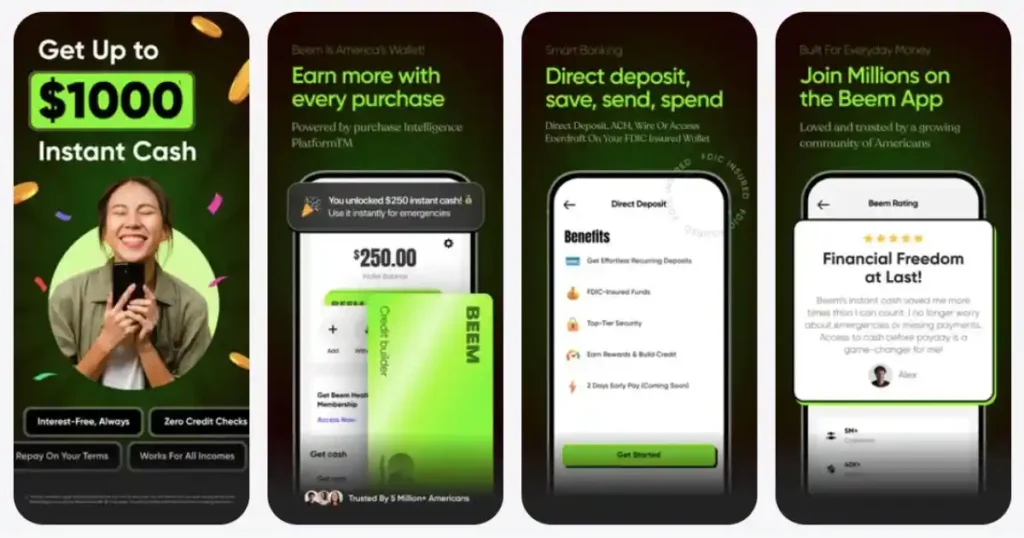
This guide explains how anyone can combine responsible cash advance use with intentional credit-building strategies, such as the Beem app. It breaks down the differences between short-term borrowing and long-term credit growth, explores modern financial tools that support both needs, and offers practical steps to move from surviving to steadily improving credit health.
The goal is straightforward: to help you use cash advances safely while establishing the right systems to grow your credit over time.
Understanding the Role of Cash Advances in Personal Finance
Cash advance apps like Beem have gained immense popularity because they address a genuine need. When traditional banks fail to offer flexibility, these apps step in with fast access to funds, minimal requirements, and low or no fees.
They help bridge the gap during emergencies or when paychecks fall short.
Cash advances work best in very specific situations:
- Unexpected bills such as car repairs or medical appointments
- Essential expenses when payday is still a few days away
- Covering a timing mismatch between work income and recurring bills
These apps are not designed for long-term borrowing or revolving credit. They typically offer small amounts that must be repaid quickly. And because most cash advance apps do not report activity to the credit bureaus, responsible use does not translate into credit growth.
This creates a gap. Many people need short-term help now, but also want to build credit for future goals such as renting an apartment, financing a car, or securing better loan terms. Knowing the limits of cash advances is the first step in using them wisely.
Why Cash Advances Don’t Build Credit
Most cash advance apps avoid reporting to credit bureaus because they do not offer traditional loans. They instead operate through earned wage access, membership models, or tips-based systems.
Since the transaction does not create a credit obligation, it does not generate a tradeline or payment history.
This means:
- No on-time payment activity is recorded.
- No credit mix benefits are created.
- No credit utilization impact is generated.
- No history length is added to a user’s profile.
Even perfect repayment does not boost your credit score.
But there is also good news. Cash advances typically do not directly harm your credit, as long as your bank account remains in good standing and you avoid overdrafts.
The key is understanding their role. Cash advances are a tool for short-term liquidity. Credit building requires actions that get reported to the major bureaus: Experian, TransUnion, and Equifax.
To grow credit, you need tools specifically designed for that purpose.
How to Build Credit While Still Relying on Cash Advances When Needed
You do not have to stop using cash advance apps to start building credit. You simply need a parallel strategy that supports long-term credit growth.
The following steps create a strong foundation for responsible borrowing, repayment, and credit improvement.
Step 1: Choose a Credit Builder Tool That Reports Monthly Activity
Credit scores grow through consistent, positive reporting. Look for financial tools that create a tradeline in your name and send verified activity to all three bureaus.
Popular options include:
- Credit builder cards
- Secured credit cards
- Credit builder loans
- Apps that track spending and report responsible activity
The most effective are credit builder cards that function like safe spending tools. They allow you to make everyday purchases within your loaded balance, avoid debt, and build payment history all at once.
This is especially helpful for people who rely on cash advance apps during tight weeks. Because they use their builder card for routine spending, their credit grows even while they occasionally borrow small amounts.
Make sure the tool reports monthly, not quarterly. Frequent reporting leads to faster progress.
Step 2: Use Cash Advances Only When Necessary
While cash advances are designed for convenience, it is important to avoid using them for:
- Entertainment
- Optional purchases
- Non-essential shopping
- Lifestyle expenses
If you are using advances every week for everyday items, it is a sign your budget needs adjusting. Credit building requires financial control. Limiting cash advances reduces the risk of repayment stress and helps maintain stable finances.
Create a simple rule: choose one or two scenarios where a cash advance is justified. Stick to those categories only.
Step 3: Align Your Cash Advance Repayments With Your Pay Cycle
One of the biggest risks with cash advances is overdrafting your bank account during repayment. If this happens, not only do you lose money through fees, but your cash advance provider may reduce your borrowing eligibility.
To stay safe:
- Track your payday schedule carefully.
- Avoid borrowing more than you can comfortably repay.
- Consider apps that allow flexible repayment timing.
Financial stress makes it harder to build credit. Setting predictable repayment timelines protects your income, budget, and long-term goals.
Step 4: Use a Credit Builder Card for Everyday Transactions
Credit builder cards help you grow credit through routine spending, such as:
- Groceries
- Gas
- Small bills
- Subscriptions
- Essentials
With most builder cards, you load money onto the card, spend from your balance, and receive credit reporting for your responsible usage. The activity is treated like on-time payments, helping you build a positive history without going into debt.
Combining this with occasional cash advances creates a balanced approach: short-term help when needed plus long-term credit improvement.
Step 5: Maintain a Low Credit Utilization Ratio Where Applicable
If you use any traditional credit card or revolving line of credit, keeping your utilization low is essential for building credit. High utilization signals risk to lenders, even if you pay your bill on time.
Aim for
- Under 30 percent utilization (good)
- Under 10 percent utilization (excellent)
Cash advance apps do not impact utilization, but credit cards do. Managing this ratio helps your credit score grow steadily over time.
Step 6: Combine AI Budgeting Tools With Credit Monitoring
Modern banking apps offer real-time budgeting tools powered by AI. These tools can help you:
- Predict upcoming expenses
- Avoid accidental overdrafts
- Track spending patterns
- Set aside small savings
- Understand your cash flow
Pairing these insights with a credit builder tool helps you develop disciplined financial habits that support credit growth.
Monitoring your credit score monthly helps you stay on top of your financial situation. Look for tools that offer free credit score tracking, allowing you to monitor your progress over time.
Step 7: Avoid Multiple Cash Advances at the Same Time
Stacking cash advances from multiple providers can create a snowball effect on repayment. It may also cause your bank to reject multiple authorized pulls at once.
Stick to one provider at a time when possible. If you need multiple small advances frequently, it may be better to:
- Increase your credit builder deposit.
- Adjust your budget.
- Explore income-boosting opportunities.
- Look for apps that offer smarter, larger, or more flexible advances.
Credit builders are most effective in a stable financial environment. Reducing overlapping advances helps maintain that balance.
Step 8: Pay Bills on Time Every Month
On-time payments are the single most important factor in your credit score. Even if you have limited credit lines, paying bills consistently signals reliability.
Bills that impact your credit report when missed include:
- Loans
- Credit cards
- Credit builder loans
- Secured cards
- Medical debt (after a long delay)
- Utility bills in some areas
Paying bills on time supports the work your credit builder tools are doing. Responsible cash advance use ensures your bank account balance remains stable, allowing you to maintain your payment schedule.
Step 9: Build a Small Emergency Buffer to Reduce Dependence on Advances
Even setting aside $10 or $20 each week can reduce the frequency of cash advance use. Many budgeting tools automatically round up or move spare change into a savings pocket.
A small buffer helps you avoid borrowing for:
- Bus fare
- Minor household purchases
- Basic personal necessities
- Small timing gaps
Less reliance on cash advances means more predictable finances and more consistent progress in credit building.
Step 10: Keep Your Old Tradelines Open When Possible
If you have credit cards or accounts that you no longer use, keep them open unless:
- They charge high annual fees.
- They cause overspending.
- They no longer fit your needs.
Account age is a key part of your credit score. Older accounts help demonstrate a long-standing credit history.
Cash advance apps do not contribute to this history, but keeping your positive tradelines active supports your credit-building journey.
Safe Tools That Support Both Cash Access and Credit Growth
Many modern financial apps now combine instant cash options with features that help build credit. This is beneficial for individuals seeking both short-term support and long-term growth.
Examples of features to look for include:
- Smart cash advance limits tied to income
- Free credit builder cards.
- Monthly credit bureau reporting.
- Real-time spending insights.
- Budgeting assistance.
- Opportunities to increase income.
- No hard credit checks.
Using the right combination of tools creates a more stable foundation for financial health.
Also Read: How Instant Cash Advance Apps Help People Living Paycheck to Paycheck
How Responsible Cash Advance Use Supports Credit Building
Using cash advance apps does not create credit history on its own because the advances are not reported to credit bureaus.
However, when used strategically, short-term advances can indirectly strengthen your ability to build credit. The key is understanding how these tools fit into your larger financial plan.
Preventing Missed Bill Payments
One of the most significant factors in your credit score is your payment history. Missing a utility payment, loan payment, or subscription bill can lead to late fees and potentially negative marks on your credit profile.
A cash advance can provide quick relief when you are short on funds, allowing you to stay current on essential payments. By avoiding delinquencies, you protect your credit score from unnecessary damage while continuing to work on improving it through positive behaviors.
Avoiding Overdraft Fees and Account Closures
Overdraft fees can quickly spiral if your bank account goes negative. In severe cases, repeated overdrafts may cause a bank to close your account, which harms your overall financial health.
Responsible use of cash advances can help you avoid overdrafts during tight financial months. Preventing overdrafts protects you from compounding fees and keeps your account in good standing, which indirectly supports your long-term credit-building goals.
Creating Financial Breathing Room
Financial stress can lead people to take on high-interest loans or miss payments, both of which can harm their credit. A well-timed cash advance gives you the short-term flexibility needed to stay on track with your existing financial commitments.
When you maintain stability, you can continue making on-time payments to credit builder accounts or credit builder cards. This steady behavior is what ultimately boosts your score month after month.
Why Moderation Matters
Cash advances should support your credit journey, not replace smart budgeting. Overusing advances can create dependency, disrupt your cash flow, and make it harder to keep up with repayment schedules.
Responsible usage means:
- Borrowing only what you can repay on time
- Using advances infrequently and only for necessary expenses
- Pairing cash access with structured credit-building habits
- Avoiding using advances as a substitute for income
When used thoughtfully, cash advances become a financial buffer rather than a burden, allowing you to stay focused on consistent credit growth.
Common Mistakes to Avoid When Using Cash Advances While Building Credit
A few missteps can derail your progress. Avoid:
- Borrowing more than you can repay.
- Taking multiple advances at once.
- Relying on cash advances every week.
- Ignoring budget tracking tools.
- Using advances for discretionary spending.
- Allowing your bank account to overdraft.
Staying in control of these areas keeps your credit-building efforts on track.
Also Read: 7 Reliable Instant Cash Advance Apps for Paycheck-to-Paycheck Workers
Putting It All Together: A Balanced Path to Financial Growth
Building credit while still needing occasional cash advances is absolutely possible. The key is to maintain a balanced approach that includes:
- Responsible borrowing
- Predictable repayment
- A reliable credit builder tool
- Regular bill payments
- Automated budgeting support
- Small savings habits
- Stable financial behavior
Short-term cash access provides support during emergencies. Long-term credit building provides an opportunity for the future. When used together thoughtfully, they create a healthier financial system that grows stronger month by month.
Final Thoughts on How To Build Credit While Using Cash Advance
Cash advance apps provide convenience, flexibility, and short-term relief. But they are not a complete financial solution. Credit building requires intentional habits, consistent reporting, and tools designed to help you grow.
By combining safe cash advance practices with a strong credit-building strategy, you can create a structure that helps you get through tight weeks while steadily improving your financial standing. Over time, this balance will help you qualify for better financing options, reduce reliance on borrowing, and create more opportunities for long-term stability. Download the Beem app now!