
Key Summary
For many families across the United States, the Child Tax Credit is not a side benefit. It is a meaningful part of how the household survives and plans. It helps cover rent during tight months, pays for school-related expenses, supports groceries, and often fills gaps that regular income cannot always absorb.
But there is a structural truth that makes managing this type of income difficult. The Child Tax Credit is not designed to behave like a paycheck. It arrives in cycles, sometimes monthly, sometimes annually, sometimes with delays or adjustments. Meanwhile, expenses operate on a completely different schedule. They are constant, immediate, and often unpredictable.
This creates a gap that is easy to underestimate but difficult to manage. Money exists in the system, but not always at the moment it is needed.
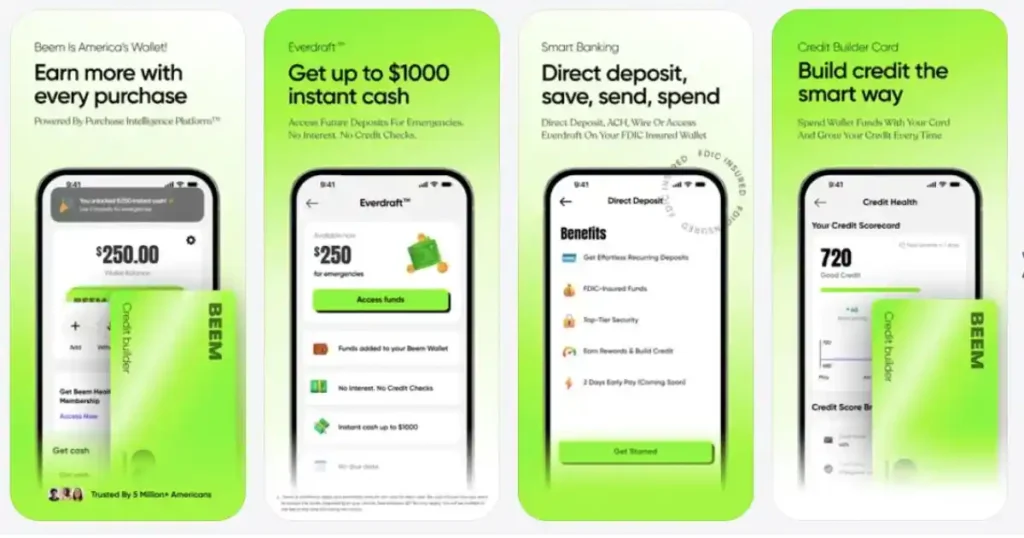
In 2026, this is exactly the kind of gap Beem is designed to address. Through Everdraft™, it provides access to short-term funds without relying on traditional employment income or credit history, allowing parents to create stability even when income flows in cycles.
Understanding Child Tax Credit as a Financial Anchor, Not a Cash Flow System
Why It Feels Reliable, Yet Still Creates Pressure
The Child Tax Credit gives families a sense of security because it represents a guaranteed form of support. You know it is coming, and you can plan around it. That predictability is valuable.
However, predictability does not always translate into flexibility. The credit is structured around policy cycles, not daily life. It does not adjust to sudden needs, and it does not arrive in response to emergencies. It supports the bigger picture, but it does not always solve the smaller, immediate gaps.
For parents managing households, this distinction becomes very real. You may have funds expected in the near future, but that does not help when an expense is due today.
The Hidden Challenge of Lump-Sum vs Periodic Payments
Some families receive the Child Tax Credit as periodic payments, while others rely on a larger lump sum during tax season. Both structures come with their own challenges.
Periodic payments can help with ongoing expenses, but they may still fall short of covering everything consistently. Lump-sum payments, on the other hand, can create temporary relief but require careful planning to stretch over time.
In both cases, the issue is not the total amount received. It is how that amount interacts with the timing of expenses throughout the year.
Where Traditional Financial Systems Fall Short
Income That Is Real, But Not Recognized
One of the biggest challenges is classification. Financial systems are built to recognize income that comes from employment. Paychecks, salaries, and employer records are easy to verify and categorize.
The Child Tax Credit, while legitimate and often essential, does not always fit into these categories. It is treated as support rather than income, which limits how it is considered during eligibility checks.
This creates a disconnect where families may have financial backing but still struggle to access tools that are designed to help manage that money.
Credit Systems That Prioritize the Past Over the Present
Traditional credit systems are built on history. They evaluate how you have borrowed and repaid in the past, using that information to determine your access today.
For many parents relying on tax credits, this becomes another barrier. They may not have an extensive credit history, or they may have prioritized immediate needs over building credit. As a result, the system does not fully reflect their current financial responsibility.
Aligning Tax Credit Usage With Fixed Financial Commitments
One of the most effective ways to maximize the value of Child Tax Credits is to assign them to specific financial responsibilities rather than letting them disperse across general spending. When a payment arrives, allocating portions toward fixed commitments such as rent, utilities, or school fees creates structure immediately.
This approach ensures that the largest and most non-negotiable expenses are handled first. It also reduces the likelihood of those funds being unintentionally used for smaller, short-term needs. When combined with a tool like Everdraft™, this structure allows you to preserve the purpose of your tax credit while still having flexibility for day-to-day financial gaps.

Avoiding the “Catch-Up Cycle” After Receiving a Lump Sum
When a large Child Tax Credit payment arrives, there is often a temptation or necessity to catch up on multiple overdue expenses at once. While this may feel like relief in the moment, it can create a cycle where funds are quickly depleted, leaving little support for the weeks or months that follow.
Breaking this cycle requires a shift in approach. Instead of using the entire amount reactively, it helps to balance immediate needs with forward planning. Setting aside a portion, even if small, for upcoming expenses can prevent the same situation from repeating. Over time, this creates a more stable rhythm rather than a pattern of recurring financial resets.
Understanding the Psychological Impact of Irregular Income
Irregular income does not just affect your finances. It affects how you think about money. When funds arrive unpredictably or in cycles, it can create a sense of uncertainty that influences every spending decision.
This often leads to two extremes: either overspending during periods of availability or excessive caution during periods of scarcity. Both patterns can disrupt financial balance. Recognizing this psychological impact is important because it allows you to create systems that bring consistency, even when income itself is not consistent.
Creating Priority-Based Spending Tiers
Not all expenses carry the same urgency, and organizing them into tiers can simplify decision-making. Essential expenses such as housing, food, and healthcare form the first tier. Important but flexible expenses like transportation or school-related costs form the second. Discretionary spending sits at the third level.
By clearly defining these tiers, you create a framework for how money should flow. When funds are limited or timing gaps appear, you know exactly where to focus. This reduces hesitation and helps you act quickly without second-guessing every choice.
Read: Can Parents Use BNPL for School Expenses?
Using Short-Term Access to Protect Long-Term Stability
One of the biggest risks with irregular income is unintentionally compromising long-term stability to solve short-term problems. For example, using funds meant for rent to cover a smaller immediate expense can create larger issues later.
Short-term access tools help prevent this trade-off. Instead of reallocating money from critical areas, you can address immediate needs without disrupting your broader financial plan. This preserves stability and keeps your priorities intact.
Planning for Seasonal Expense Variations
Certain expenses tend to cluster during specific times of the year. Back-to-school periods, holidays, or seasonal changes can significantly increase spending within a short window.
Recognizing these patterns allows you to prepare in advance. Even if you cannot fully fund these periods ahead of time, being aware of them helps you plan your tax credit usage more effectively. It also allows you to use tools like Everdraft™ strategically during these higher-pressure periods rather than relying on them unexpectedly.
Building Financial Resilience Through Small Adjustments
Financial resilience is not built through large, sudden changes. It is built through small, consistent adjustments over time. This could mean tracking expenses more closely, setting aside small amounts when possible, or simply becoming more aware of spending patterns.
Each of these adjustments may seem minor on its own, but together they create a stronger financial foundation. Over time, they reduce reliance on external support and increase your ability to manage fluctuations more confidently.
For parents relying on Child Tax Credits, this gradual approach is often the most realistic path toward long-term stability.
How Beem Aligns With Real Financial Behavior
Beem takes a different approach by focusing on what is happening now rather than what happened in the past. Instead of requiring a specific type of income or a long credit history, it evaluates real-time financial activity.
Through Everdraft™, users can access up to $1,000 in instant cash without interest and without traditional credit checks. This shifts the conversation from “What kind of income do you have?” to “How are you managing your finances today?”
For parents relying on Child Tax Credits, this is a significant difference. It means access is not limited by how income is categorized, but enabled by how money is actually used and managed.
How Parents Can Use Everdraft™ Alongside Child Tax Credits
Bridging the Long Gaps Between Payments
When your financial structure includes periodic or annual tax credit payments, there are often long stretches where no additional funds are coming in. During these periods, expenses continue without pause.
Everdraft™ helps bridge these stretches. It allows you to maintain stability without having to stretch your budget to its limits or delay essential payments.
Managing High-Expense Periods Without Disruption
Certain times of the year naturally bring higher expenses. Back-to-school season, holidays, or unexpected life events can create spikes that are difficult to absorb within a fixed budget.
Having access to short-term funds allows you to handle these periods more smoothly. It prevents you from having to compromise on essential needs or make decisions that could create long-term financial strain.
Preserving the Value of Your Tax Credit
When a lump sum is received, it is often allocated toward larger needs such as rent, debt repayment, or essential purchases. Without proper support in between, smaller gaps can force you to dip into those funds earlier than planned.
Everdraft™ helps protect the intended use of your tax credit. It allows you to handle smaller, short-term needs without disrupting your broader financial plan.
Creating Stability From Irregular Income Cycles
Turning Cycles Into Predictable Patterns
The goal is not to change how the Child Tax Credit is structured, but to create consistency around it. By combining structured planning with flexible access, you can smooth out the irregularities and build a more predictable financial system.
This involves understanding your income cycles, mapping out expenses, and using tools like Everdraft™ strategically when timing gaps appear.
Building Confidence Through Better Control
When you know you have a way to handle gaps, your entire approach to money changes. Decisions become less reactive and more intentional. You are no longer operating under constant pressure, but with a clearer sense of control.
Over time, this confidence leads to better financial habits and a stronger overall foundation.
Traditional Systems vs Beem
| Factor | Traditional Systems | Beem (Everdraft™) |
| Income Recognition | Employer-based | Flexible |
| Credit Dependency | High | Not required |
| Access Timing | Delayed | Immediate |
| Interest Charges | Common | No interest |
| Fit for Tax Credit-Based Households | Limited | Strong |
This comparison highlights a fundamental shift. The limitation is not the income itself, but how systems are designed to interpret it.
Using Everdraft™ With Intention and Clarity
Recognizing Its Role in Your Financial System
Everdraft™ is not meant to replace your income. It is meant to support it. Understanding this distinction helps you use it effectively without creating dependency.
It works best when used during specific moments, when timing creates pressure or when unexpected needs arise.
Aligning Usage With Your Financial Calendar
When you understand when your Child Tax Credit payments arrive, you can plan how to use Everdraft™ in a way that complements your cycle.
This alignment ensures that you are not just reacting to gaps, but managing them proactively.
A More Realistic Approach to Financial Access
For parents relying on Child Tax Credits, the challenge has never been about financial responsibility. It has always been about navigating a system that does not fully reflect how their income works.
Beem provides a model that aligns with real-life financial behavior. It acknowledges that income does not need to be traditional to be valid, and that access should not be delayed because of how it is categorized.
Conclusion
Yes, Beem works for parents who rely on Child Tax Credits, not because it changes how that income is structured, but because it works alongside it.
Through Everdraft™, it allows you to manage the gaps between payments, handle unexpected expenses, and maintain stability without relying on traditional credit systems or employment-based income.
In 2026, this kind of flexibility is not just helpful. It reflects a more accurate understanding of how families actually manage money in the real world.
FAQs
1. Can I use Beem if my primary financial support comes from Child Tax Credits?
Yes, you can. Beem does not rely strictly on employer-based income to determine eligibility. Instead, it evaluates your overall financial activity and behavior. This means that even if your primary support comes from Child Tax Credits, you may still qualify for Everdraft™ as long as you meet the platform’s verification and usage requirements.
2. How does Everdraft™ help when my income is not regular?
Everdraft™ is specifically useful in situations where income is not consistent or does not align with expenses. It provides access to funds when you need them, allowing you to manage timing gaps without waiting for your next payment cycle. This makes it particularly effective for households that rely on periodic income like tax credits.
3. Will using Everdraft™ affect my credit score or financial history?
No, Everdraft™ does not rely on traditional credit checks and does not impact your credit score. It operates independently of conventional credit systems, which makes it accessible for users who may not have an established credit history.
4. How much can I access through Everdraft™, and how is it determined?
You can access up to $1,000, depending on your eligibility. The amount is determined based on your financial activity rather than your credit score or employment status. This allows for a more flexible and inclusive approach to financial access.
5. What is the best way to use Everdraft™ alongside Child Tax Credits?
The most effective approach is to treat Everdraft™ as a tool for managing timing gaps rather than ongoing expenses. By aligning its usage with your income cycle, you can maintain stability between payments while preserving your tax credit for larger financial priorities.