
Key Summary
Short-term financial crises rarely arrive with warning. A delayed paycheck, a reduced shift schedule, a medical bill, or a sudden repair can create an immediate gap between obligations and available funds. In most cases, the crisis is not permanent insolvency. It is a timing disruption. However, timing disruptions can escalate quickly when fixed expenses continue operating on rigid calendars.
Covering expenses during a short-term financial crisis is less about dramatic financial overhaul and more about structured stabilization. The objective is simple but urgent: prevent compounding damage while preserving long-term financial health. That requires prioritization, liquidity, and disciplined decision-making under pressure.
Understanding how to respond effectively transforms what feels overwhelming into something manageable. Most short-term crises can be contained when addressed early and strategically.
Step One: Define the Scope of the Shortfall Clearly
The first and most important action is clarity. Vague anxiety often exaggerates financial pressure. Before making decisions, calculate the exact amount needed and the exact deadline attached to each obligation. Many crises feel catastrophic because the numbers are undefined.
List all due payments within the next two to four weeks. Separate essential obligations, such as rent, utilities, insurance, transportation, and minimum debt payments, from discretionary spending. Identify the precise dollar gap between available funds and required payments. Precision reduces panic and prevents unnecessary over-borrowing.
Once the gap is quantified, solutions become easier to evaluate. A $450 shortfall requires a different strategy than a $2,500 shortfall. Knowing the number allows you to pursue the least disruptive option rather than the most reactive one.
Step Two: Prioritize Obligations by Consequence, Not Preference
In a short-term crisis, not all bills carry equal weight. Some payments trigger immediate penalties or risk to essential services. Others carry minimal short-term impact. Effective prioritization prevents small gaps from turning into cascading damage.
Housing typically sits at the top of the priority list, followed by utilities and transportation tied to employment. Medical needs and insurance premiums also warrant early attention. Discretionary services, subscription platforms, and non-essential purchases should be paused immediately.
The goal is stabilization, not perfection. Fully covering one high-impact obligation often produces more protection than partially paying several lower-impact ones. Concentrating resources reduces escalation risk and preserves financial structure.
Step Three: Create Immediate Breathing Room
Before seeking external funds, examine short-term adjustments that can temporarily increase liquidity. Small changes can narrow the gap enough to reduce borrowing needs or eliminate them entirely. Consider these actions:
- Pause or cancel non-essential subscriptions temporarily. Many services allow immediate suspension, freeing up recurring charges that would otherwise reduce available cash.
- Delay discretionary purchases. Even modest spending adds up during compressed periods.
- Reschedule lower-impact payments. Some providers offer grace periods or short extensions if contacted before the due date.
- Adjust automatic withdrawals. Ensure auto-debits do not trigger overdraft fees during tight windows.
These steps are not long-term lifestyle changes. They are short-term stabilization tactics. Even modest breathing room reduces pressure and improves decision quality.
Step Four: Evaluate Liquidity Options With Long-Term Awareness
If the shortfall remains after internal adjustments, external liquidity may be necessary. The key is choosing a solution that resolves the immediate obligation without creating a secondary crisis next month.
Traditional credit cards offer speed but often introduce high interest from the first billing cycle. Personal loans may carry lower rates but require underwriting and processing time that may not align with urgent deadlines. Informal borrowing can create relational tension and repayment uncertainty.
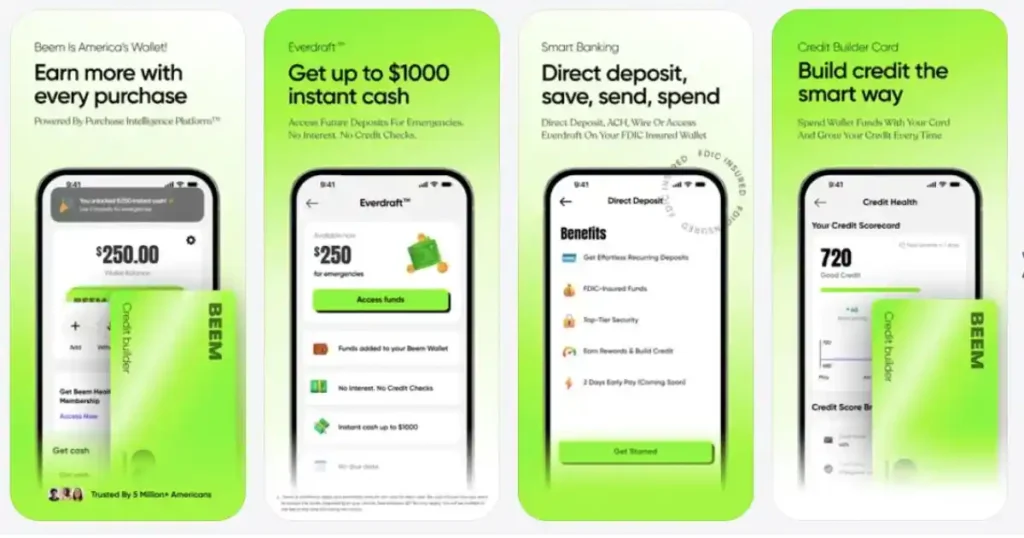
Structured instant cash solutions designed specifically for emergencies function differently. Beem’s Everdraft™ provides access to up to $1,000 instantly, without interest and without credit checks. Its purpose is not long-term borrowing but short-term stabilization. When used responsibly, it bridges timing gaps without initiating compounding debt cycles.
The best liquidity option during a short-term crisis is the one that restores balance quickly while preserving future flexibility. Speed and structure together prevent escalation.
Step Five: Protect Income Continuity at All Costs
In many short-term crises, the expense itself is connected to earning capacity. A vehicle repair allows work attendance. A childcare payment ensures shifts continue. A utility payment preserves the ability to work remotely.
If the crisis affects income-generating systems, prioritize those expenses immediately. Lost income transforms a temporary gap into a longer-term setback. Stabilizing income first accelerates recovery and shortens the crisis window.
Short-term financial survival is often about maintaining earning momentum. Protecting income streams prevents the emergency from spreading into additional months.
Step Six: Communicate Early to Reduce Escalation
Silence often increases financial damage. Many service providers are more flexible before deadlines pass than after penalties attach. Contact landlords, lenders, or service providers as soon as a shortfall becomes clear.
Early communication may result in short extensions, waived fees, or temporary accommodations. While not guaranteed, proactive outreach demonstrates responsibility and often reduces rigid enforcement.
The earlier you address the situation, the more options remain available. Waiting typically narrows flexibility and increases cost.
Common Short-Term Crisis Scenarios and Response Strategies
Below is a practical overview of how different short-term financial crises typically unfold and how structured liquidity can contain them.
| Crisis Scenario | Immediate Risk Without Action | Stabilizing Action | Long-Term Benefit |
| Rent shortfall | Late fees, eviction risk, credit impact | Cover full rent before deadline | Preserves housing stability |
| Utility bill due | Service interruption, reconnection fees | Pay before shutoff notice activates | Avoids cascading penalties |
| Car repair | Missed work, income disruption | Repair quickly to restore mobility | Protects employment continuity |
| Medical bill | Collections risk, stress escalation | Immediate payment or compliance | Prevents credit damage |
| Reduced work hours | Bill pile-up, overdrafts | Bridge until income normalizes | Stops compounding financial strain |
Short-term crises become manageable when resolved before penalties compound.
Avoiding Common Mistakes During Short-Term Crises
Even disciplined individuals can make reactive decisions under pressure. Awareness reduces the likelihood of worsening the situation.
- Ignoring the shortfall in hopes it resolves itself.
Delay typically increases cost through late fees, overdraft charges, and mounting stress. Addressing the gap early prevents escalation. - Choosing the fastest solution without reviewing terms.
Urgency creates vulnerability. High-cost borrowing may solve today’s problem but create next month’s crisis. - Spreading limited funds too thin.
Partial payments across multiple accounts can leave several obligations delinquent. Concentrating on high-impact bills reduces damage. - Borrowing long-term to fix short-term compression without a plan.
Temporary timing gaps should not become extended repayment burdens.
Turning Stabilization Into Recovery
Once immediate obligations are covered, the focus shifts from containment to strengthening. Review what caused the liquidity gap. Was it pure timing? Was spending slightly ahead of income? Was the emergency unavoidable?
Short-term crises provide insight into financial pressure points. Identifying those pressure points helps prevent repetition. Gradually building an emergency buffer remains a long-term objective, but it develops over time. Structured liquidity bridges the period before full resilience is achieved.
Recovery is not about perfection. It is about reducing the likelihood of escalation next time.
Read: 10 Common Situations Where People Need Emergency Cash
How Different Emergency Funding Options Compare
Short-term crises require fast decisions, but not all liquidity options carry the same long-term impact. Understanding how different approaches behave under pressure helps reduce unintended consequences.
| Funding Option | Speed of Access | Cost Structure | Credit Impact | Best Used For |
| Emergency Savings | Immediate (if available) | No cost | None | First line of defense for timing gaps |
| Credit Card | Immediate (if limit exists) | High interest if unpaid | May affect utilization | Short-term needs if repaid quickly |
| Personal Loan | Moderate (approval required) | Fixed interest | Credit check required | Larger, structured needs |
| Borrowing from Friends/Family | Variable | Often informal | None | Small gaps with clear repayment plan |
| Structured Instant Cash (e.g., Everdraft™) | Immediate | No interest | No credit check | Short-term stabilization without compounding debt |
Key Insight
The most effective short-term crisis solution is the one that resolves the obligation immediately while minimizing long-term strain. Speed alone is not enough. Cost, structure, and next-cycle impact determine whether stabilization truly protects financial health.
When liquidity closes the timing gap quickly and predictably, recovery begins immediately instead of being delayed by compounding consequences.
How to Create a 7-Day Stabilization Plan
When facing a short-term financial crisis, thinking in broad terms can feel overwhelming. Breaking the response into a focused seven-day stabilization window creates structure and reduces panic. The goal during this period is not to solve every long-term issue but to contain immediate damage and protect essential systems.
Start by mapping the next seven days against your known obligations. Identify which payments fall within that window and which can safely wait. This short timeline narrows attention to what truly matters right now. It also prevents you from borrowing more than necessary simply because uncertainty feels uncomfortable.
Within those seven days, define clear actions: pause non-essential expenses, secure liquidity if needed, and communicate early with providers. By concentrating effort into a defined timeframe, you restore control and prevent reactive decisions that stretch far beyond the current need. Short-term crises become manageable when the response window is intentionally structured.
Distinguishing Between Urgent and Important Expenses
During a cash shortage, everything can feel urgent. However, urgency and importance are not always the same. An expense may be emotionally pressing without carrying severe consequences if delayed briefly. Understanding this distinction improves prioritization under pressure.
Urgent expenses typically carry immediate penalties or service disruption, such as rent, utilities, car repairs tied to work, or minimum loan payments. Important expenses, such as future subscription renewals or discretionary upgrades, may feel pressing but can often be postponed without structural harm.
Separating these categories prevents misallocation of limited funds. When urgent obligations are stabilized first, the broader financial system remains intact. Emotional clarity increases when decisions are based on consequences rather than anxiety.
Using Temporary Income Boosts Strategically
While long-term income solutions take time, short-term boosts can narrow liquidity gaps quickly. The key is using them strategically rather than reactively. Small, temporary increases in income can significantly reduce the amount of external liquidity required.
Examples include picking up additional shifts, selling unused items, offering short freelance services, or requesting early payout options if available. Even modest supplemental income can absorb part of the shortfall and reduce reliance on borrowing.
However, the objective is stabilization, not burnout. Temporary income boosts should support crisis containment without compromising health or long-term productivity. Used wisely, they complement structured liquidity rather than replace it.

Protecting Your Credit During Short-Term Compression
Short-term crises often become long-term problems when credit damage enters the equation. Late payments, collections, and high utilization ratios can linger for months or years. Protecting credit during liquidity gaps reduces the recovery timeline dramatically.
One effective approach is maintaining minimum payments on revolving credit accounts whenever possible. Even if full balances cannot be paid down, preserving on-time history prevents negative reporting. Similarly, resolving high-impact bills before they escalate to collections avoids compounding reputational harm.
Structured short-term cash access can play a role here by preventing missed payments during compression windows. When credit health remains intact, future financial flexibility is preserved. Protecting credit is not about perfection. It is about avoiding unnecessary long-term consequences during temporary pressure.
The Role of Structured Instant Cash in Crisis Containment
Short-term financial crises are rarely about irresponsibility. They are about timing compression in an environment where expenses are high and flexibility is limited. Access to structured, predictable liquidity determines whether compression becomes escalation.
Beem’s Everdraft™ functions as a short-term safety net by providing instant access to up to $1,000 without interest and without credit checks. Its design focuses on containment rather than accumulation. Used responsibly, it closes timing gaps cleanly and prevents compounding damage. The difference between spiraling and stabilizing often lies in how quickly liquidity arrives.
Conclusion: Short-Term Crises Require Immediate Structure
Covering expenses during a short-term financial crisis is not about a dramatic financial transformation. It is about speed, prioritization, and disciplined liquidity management.
When obligations are addressed quickly, penalties are avoided. When income continuity is protected, recovery accelerates. When structured cash access prevents compounding interest, long-term stability remains intact.
Short-term crises are manageable when liquidity is available at the right moment. The faster the gap closes, the smaller the crisis remains.
Download the Beem app to access emergency cash quickly when you need it most.
Get fast support with a simple, secure, and stress-free experience.
Frequently Asked Questions
1. What qualifies as a short-term financial crisis?
A short-term financial crisis is typically a temporary gap between your available cash and immediate expenses, not a permanent loss of income or long-term insolvency. It often results from timing issues such as a delayed paycheck, an unexpected repair, or a medical bill. The defining feature is urgency combined with limited liquidity. When addressed quickly and strategically, most short-term crises can be contained before they escalate into larger financial setbacks.
2. Should I use my savings before seeking emergency cash options?
In most cases, yes. Emergency savings are designed specifically to absorb unexpected expenses without creating repayment pressure or interest costs. If savings are insufficient, structured short-term liquidity options can serve as a bridge. The goal is to resolve the immediate obligation while protecting long-term financial stability.
3. Is using instant cash during an emergency risky?
It depends on the structure. High-interest borrowing or unclear terms can create additional strain in the next pay cycle. However, structured emergency cash designed to bridge short-term gaps without interest or credit checks can stabilize a crisis when used responsibly. The key is ensuring the solution does not create a second problem after the first one is resolved.
4. How do I decide which bills to pay first during a cash shortage?
Prioritize based on consequences. Housing, utilities, transportation tied to employment, and essential insurance payments typically carry the highest risk if missed. Fully stabilizing one high-impact obligation is often more protective than partially paying several lower-priority bills. Focus reduces escalation and preserves income continuity.
5. How can I prevent short-term cash crises from happening again?
Review what caused the shortfall, whether it was timing compression, recurring expenses, or an unexpected event. Gradually building even a modest emergency buffer improves resilience over time. Improving visibility into upcoming bills and maintaining access to structured liquidity tools can also shorten recovery windows when disruptions occur. Prevention is about strengthening response systems, not eliminating risk entirely.