

What You Will Get At A Glance
A paycheck plan is one of those things that works quietly in the background until life disrupts it. A layoff, a new job, reduced hours, a pay increase, or a shift from salaried to hourly income can all break routines that once felt stable. How to rebuild a paycheck plan after a layoff or a new job?.
When that happens, many people try to force their old budget to fit a new reality, which often leads to stress, missed payments, and a feeling that money is slipping out of control.
Rebuilding a paycheck plan after an income change is not about starting from scratch or punishing yourself for what went wrong. It is about realigning your money with what your life looks like now.
This guide walks you through the step-by-step process of resetting your paycheck plan in a way that feels practical, flexible, and realistic, whether your income has decreased, increased, or undergone a change in structure.
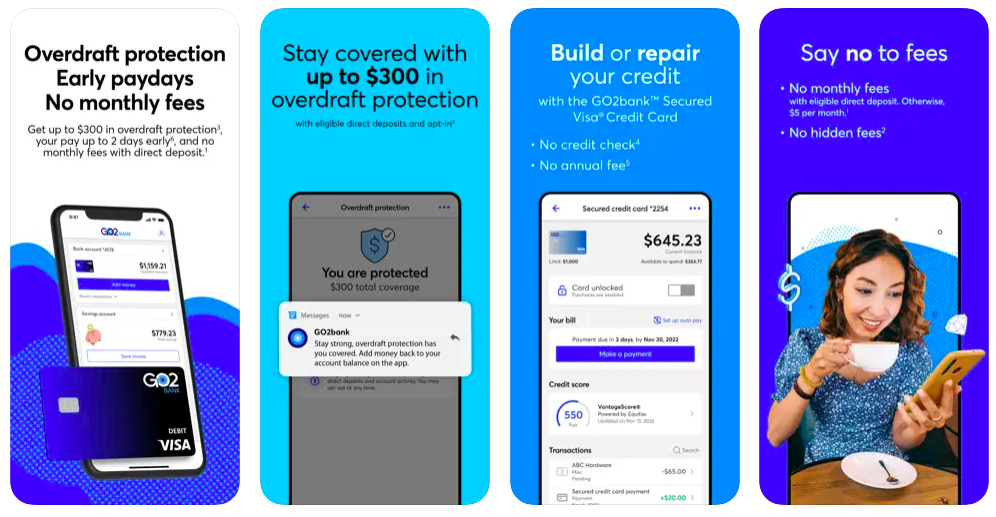
Beem helps users rebuild paycheck plans by offering real-time cash flow insights, instant cash access, and smart tools that adapt to income changes.
Why Income Changes Disrupt Even Good Financial Plans
Most paycheck plans are built around predictability. When you know exactly how much money is coming in and when it arrives, it is easier to assign every dollar a job. Income changes break that predictability.
After a layoff, income may stop completely or become inconsistent. With a new job, pay timing may change, benefits may be different, or deductions may be higher or lower than expected. Even a raise can create problems if spending expands faster than planning.
The mistake many people make is assuming that disruption means failure. In reality, it simply means your plan needs to be updated.
Step 1: Pause and Take Inventory Before Making Changes
Before you start cutting expenses or rearranging bills, pause and take inventory of your current situation. This step prevents reactive decisions that can cause more harm than good.
Start with three simple questions:
- What income is coming in right now?
- What expenses must be paid to stay stable?
- How long can current resources last if nothing changes?
Write everything down. Seeing the full picture on paper or a screen reduces anxiety and makes next steps clearer.
Understanding Your New Income Structure
Not all income changes are the same. The way you rebuild your paycheck plan depends on how your income has shifted.
After a Layoff or Job Loss
If income has stopped or dropped sharply, your paycheck plan becomes a survival plan. The focus shifts from optimization to preservation.
You are planning for:
- Reduced or temporary income
- Uncertain timelines
- Prioritization over convenience
After Starting a New Job
A new job often comes with surprises:
- Different pay cycles
- Delayed first paycheck
- New benefit deductions
- Changes in commuting or work-from-home costs
Even if the salary is higher, cash flow may feel tighter at first.
After a Variable Income Change
Freelance work, reduced hours, commissions, or seasonal income require flexibility. Instead of a fixed paycheck plan, you need a range-based approach that adapts month to month.
Step 2: Redefine Your Financial Priorities
When income changes, priorities must change with it. This does not mean giving up long-term goals permanently. It means adjusting timelines.
Start by separating expenses into three categories:
- Non-negotiables
- Flexible essentials
- Optional spending
Non-negotiables include housing, utilities, food, transportation, insurance, and minimum debt payments. These come first in any paycheck plan.
Flexible essentials include items such as internet plans, phone bills, subscriptions tied to daily life, and variable grocery expenses.
Optional spending includes entertainment, dining out, shopping, and upgrades. These are the easiest to adjust temporarily.
Step 3: Rebuild Your Paycheck Plan From the Ground Up
Once priorities are clear, it is time to rebuild the structure of your paycheck plan.
Assign Income Based on Pay Timing
Instead of budgeting monthly, plan paycheck by paycheck. This reduces the risk of running out of money before the next deposit.
For each paycheck, assign funds in this order:
- Immediate bills due before the next paycheck
- Groceries and transportation
- Minimum debt payments
- Remaining essentials
This method keeps cash flow aligned with real deadlines.
Use a Bare-Bones Baseline First
Especially after a layoff or income drop, start with a bare-bones plan. This version covers only essentials and minimums.
Once stability improves, you can gradually reintroduce savings, debt reduction, and discretionary spending.
Step 4: Adjust Bills and Obligations Proactively
Income changes are the right time to renegotiate, downgrade, or pause certain expenses.
Contact creditors early if payments may be difficult. Many lenders offer hardship programs or temporary adjustments when contacted before a payment is missed.
Review subscriptions and recurring charges line by line. Even small monthly savings add up when income is uncertain.
If housing costs are too high relative to your new income, consider exploring temporary solutions, such as negotiating rent terms, finding a roommate, or adjusting lease arrangements where possible.
Step 5: Rebuild Emergency Buffers Slowly and Strategically
After an income disruption, emergency savings are often depleted. Rebuilding does not need to happen all at once.
Start with a small buffer goal, such as one paycheck or two weeks of expenses. This creates breathing room and reduces reliance on credit.
Once income stabilizes, gradually work toward a larger emergency fund. Even modest progress improves financial resilience.
Step 6: Protect Your Credit During the Transition
Paycheck plan disruptions often lead to credit problems, not because of irresponsibility but because of misalignment.
Prioritize minimum payments on all credit accounts. Even if balances temporarily increase, on-time payments help protect your credit history.
If payments become difficult, communicate with lenders early. Options may include payment deferrals, reduced payments, or temporary hardship programs.
Avoid using high-interest credit to cover ongoing expenses unless absolutely necessary. Short-term relief can create long-term stress.
Step 7: Adapt Spending to Match Reality, Not Emotion
Changes in income often evoke emotional responses. Some people overspend to feel normal again. Others cut too aggressively and burn out.
Aim for balance. Reduce spending where it makes sense, but leave room for small comforts that support mental health. A sustainable plan is better than a perfect one.
Track spending loosely at first. Awareness matters more than precision during transitions.
Step 8: Build Flexibility Into Your New Paycheck Plan
A rebuilt paycheck plan should not be rigid. Flexibility is what keeps it working when income fluctuates.
Create categories that can expand or shrink, such as groceries, gas, and discretionary spending.
If income varies, base your plan on your lowest expected paycheck, then treat extra income as a buffer rather than a guarantee.
Step 9: Plan for Irregular and Hidden Expenses
Changes in income can make irregular expenses feel more painful if they are not planned for.
Common examples include:
- Car repairs
- Medical costs
- Annual subscriptions
- School or childcare expenses
Even small monthly set-asides help smooth these costs over time.
Step 10: Reevaluate Goals Without Abandoning Them
Goals may need to shift, but they do not need to disappear.
If you were paying down debt aggressively, consider switching to minimum payments temporarily. If you were saving for a big purchase, slow the pace instead of stopping completely.
Progress does not have to be linear to be real.
Step Eleven: Use New Income Wisely If Pay Increases
A new job or raise creates opportunity, but it also creates risk if spending expands automatically.
Before lifestyle changes, use the first few paychecks to:
- Catch up on delayed bills
- Rebuild savings
- Stabilize cash flow
Once the plan feels solid, intentional upgrades feel more rewarding and less stressful.
Step 11: Monitor and Adjust Monthly
Rebuilding a paycheck plan is not a one-time task. Review it monthly, especially during the first six months after an income change.
Ask yourself:
- What worked this month?
- What felt tight or stressful?
- What needs adjustment?
Small changes prevent big problems.
Step 12: Prepare for the Next Income Disruption
One of the most valuable outcomes of rebuilding a paycheck plan is learning how to prepare for the next change.
Once stability returns:
- Maintain an emergency buffer.
- Avoid fixed expenses that stretch income too tightly.
- Keep your skills and job options as flexible as possible.
Preparedness reduces fear the next time life shifts.
Common Mistakes to Avoid When Rebuilding a Paycheck Plan
Many people make the same mistakes during income transitions.
These include:
- Pretending income has not changed.
- Cutting everything at once without prioritization.
- Ignoring credit obligations.
- Waiting too long to ask for help or adjustments.
Awareness helps you avoid these traps.
Also Read: Paycheck Management For Supporting Family Members in Other States or Countries
How Long Does It Take to Feel Stable Again
Recovering financial stability after a layoff, income reduction, or new job does not happen overnight. Even with careful planning, most people need several weeks to a few months to feel fully grounded. Your sense of stability comes not just from having enough money in the bank but from feeling in control and confident in your day-to-day financial decisions.
Signs You’re Making Progress
While the timeline varies depending on your situation, there are common indicators that show you’re regaining stability:
- Fewer surprises: Unexpected bills or late notices no longer catch you off guard. You can anticipate expenses and plan ahead, which reduces anxiety and keeps your financial routine predictable.
- Less stress before payday: Worrying about making ends meet each week becomes less frequent. You start to trust your budgeting strategy and income flow, giving you mental space to focus on other priorities.
- More confidence in decisions: As you track spending, manage bills, and prioritize debt or savings, your decision-making becomes sharper. Whether it’s deciding on a new subscription, delaying a purchase, or exploring side income options, you feel more in control.
Why Celebrating Small Wins Matters
Acknowledging these milestones, even small ones, is crucial. Celebrating progress reinforces positive habits and reminds you that recovery is happening. For example, paying a bill on time without stress or successfully sticking to a weekly budget might feel minor, but these moments signal real momentum toward financial stability.
Patience and Persistence Are Key
Remember, recovery is rarely linear. Some weeks might feel like a setback, and unexpected expenses can temporarily shake your confidence. The key is to stay consistent with planning, tracking, and adjusting your approach as needed. Over time, the cumulative effect of small, steady actions leads to lasting financial resilience.
Also Read: How to Use Direct Deposit With Beem to Automate Paycheck Allocation
Final Thoughts On How to Rebuild a Paycheck Plan After a Layoff
A paycheck plan is not a rigid rulebook. It is a living system that evolves with your life.
After a layoff, new job, or income change, rebuilding your paycheck plan is an act of resilience, not a sign of failure. You are responding to reality, not resisting it.
With clear priorities, flexible structure, and honest adjustments, your paycheck plan can support stability now and growth later. The goal is not perfection. The goal is to align your income, needs, and peace of mind.
Download the Beem app, which helps users rebuild paycheck plans by offering real-time cash flow insights, instant cash access, and smart tools that adapt to income changes.
When your plan fits your life again, money stops feeling overwhelming and starts feeling manageable.