
What You Will Get At A Glance
Most people focus on monthly budgeting because that is where everyday bills live. Rent, groceries, utilities, and subscriptions all demand attention every month. How to turn an extra paycheck a year into real progress on debt or savings ? The value of savings is often overlooked, even though an extra paycheck that arrives once or twice a year presents a quiet opportunity. That paycheck has the potential to move your finances forward in a way regular budgeting often cannot.
Whether it comes from a biweekly pay schedule, overtime, bonuses, or seasonal work, one additional paycheck can change your financial direction if you handle it with intention. Left unaddressed, it often gets absorbed into routine spending. Used wisely, it can reduce debt faster, strengthen savings, and lower financial stress for months or even years.
This guide explains how to turn one extra paycheck into meaningful progress on debt or savings. You will learn how to decide where it should go, how to avoid common mistakes, and how to transform a one-time event into lasting financial momentum rather than short-term relief.
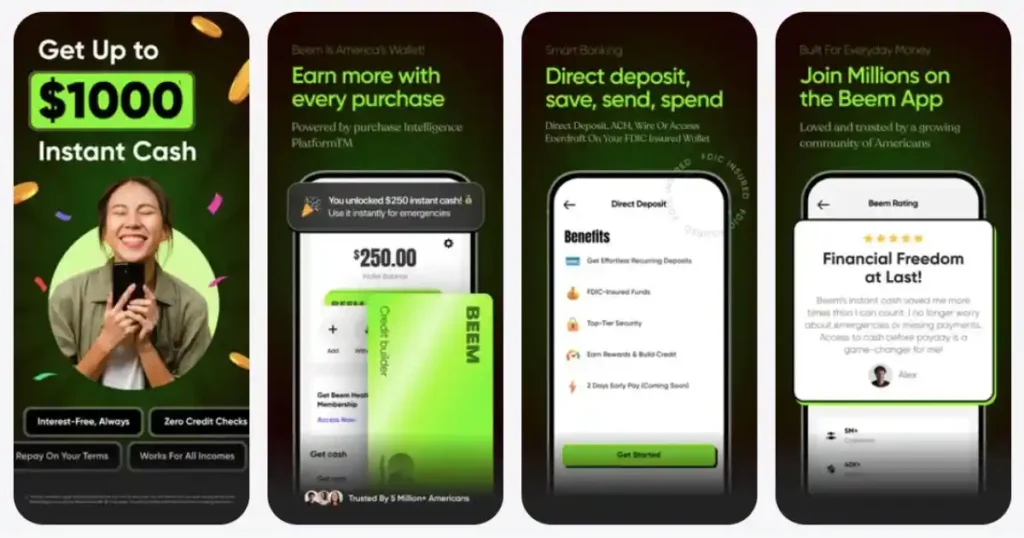
Beem helps you put extra income to better use by giving you smarter control over cash flow and savings.
With tools like instant cash access and AI budgeting, Beem makes it easier to turn an extra paycheck into meaningful financial progress.
Understanding Where the Extra Paycheck Comes From
Before deciding how to use an extra paycheck, it helps to understand why it exists in the first place. Knowing the source makes it easier to plan for it intentionally.
Biweekly Pay Schedules Explained
If you are paid every two weeks, you receive 26 paychecks per year instead of 24. That means two months out of the year include a third paycheck. For many people, regular monthly expenses are already covered by the first two paychecks.
That third paycheck is not a raise, but it is extra cash flow. Since your fixed bills do not increase during those months, this paycheck creates a temporary surplus that can be redirected toward debt repayment or savings.
The problem is that many people treat those months like any other, allowing the extra money to blend into normal spending without realizing its potential.
Bonuses, Overtime, and Side Income
Some extra paychecks come from performance bonuses, tax refunds, overtime hours, freelance work, or seasonal jobs. These payments often feel like unexpected rewards.
Because they are not part of your regular income, they are more likely to be spent impulsively. Without a plan, the money is often spent on convenience purchases, upgrades, or lifestyle splurges that provide short-term enjoyment but no lasting benefits.
The difference between progress and regret is deciding in advance how this money will be used.
Why This Paycheck Feels Invisible
Extra income often disappears because it arrives outside your normal routine. Your brain treats it as optional money, rather than part of your financial system.
This mental framing makes it easier to spend casually. Recognizing this tendency is important. Once you see the extra paycheck as a strategic tool rather than bonus spending money, it becomes easier to use it intentionally.
Also Read: Paycheck Management for People With Fluctuating Hours or Seasonal Work
Decide Your Primary Goal Before the Money Arrives
The most important decision happens before the extra paycheck hits your account. Waiting until the money arrives usually leads to reactive choices driven by emotion rather than strategy.
Clarify Whether Debt or Savings Comes First
Not all financial situations are the same. Some people benefit more from paying down debt, while others need savings urgently.
Ask yourself a few simple questions:
- Do you have high-interest debt, such as credit cards or personal loans?
- Do you have an emergency fund that could cover at least three months of essential expenses?
- Would an unexpected bill force you to rely on credit?
If high-interest debt is draining your monthly cash flow, paying it down often creates the fastest relief. If you have little or no emergency savings, building a cushion can prevent future debt altogether.
Avoid the All or Nothing Trap
You do not have to choose only debt or only savings. Many people make better progress by splitting the extra paycheck in a way that supports both goals.
The key is intentional allocation. When you have a plan for your money, even a partial payment toward debt or savings can create momentum.
Write the Plan Down
A written plan removes decision fatigue. It can be as simple as a note on your phone stating exactly how the extra paycheck will be used.
When the money arrives, you follow the plan instead of debating in the moment. This small step dramatically increases the chances that the money will be used wisely.
Using an Extra Paycheck to Make Real Progress on Debt
Debt reduction is one of the most powerful uses of an extra paycheck, especially when interest is working against you every month.
Focus on High-Interest Debt First
Not all debt deserves equal attention. Credit cards, payday loans, and high-interest personal loans grow quickly and consume cash flow.
Why Interest Rate Matters More Than Balance Size
A smaller balance with a high interest rate can be more costly over time than a larger balance with a lower rate. Applying an extra payment to high-interest debt reduces the amount of interest that accumulates each month.
This creates a compounding benefit. Every future payment becomes more effective because less money is allocated toward interest and more is allocated toward the principal.
Lump Sum Payments vs Extra Monthly Payments
A lump sum payment from an extra paycheck can feel dramatic, but its true impact appears over time. Lower balances reduce ongoing interest charges, making it easier to stay consistent with payments.
If possible, confirm that the payment is applied to the principal and does not simply advance your due date without reducing interest.
Consider the Emotional Impact of Debt Wins
Money decisions are not just about math. Motivation and confidence matter.
Snowball vs Avalanche With an Extra Paycheck
If you follow the debt snowball method, using an extra paycheck to eliminate a small balance entirely can provide a strong emotional boost. Seeing a debt disappear increases confidence and consistency.
If you prefer the avalanche method, applying the money to the debt with the highest interest rate saves more money over time. Both approaches work when they keep you engaged and committed.
Celebrate Progress Without Derailing It
Celebration does not have to mean spending money. Tracking progress, watching balances drop, or hitting milestones can be just as motivating.
Acknowledging progress reinforces good habits without undoing them.
Avoid These Common Debt Paydown Mistakes
An extra paycheck can help or hurt depending on how it is used.
Do Not Close Credit Accounts Automatically
Paying off a credit card does not always mean closing it. Closing accounts can reduce available credit and affect credit utilization.
If the card has no annual fee, keeping it open with a zero balance can support your credit profile.
Do Not Immediately Increase Spending
Lower debt payments can feel like permission to spend more each month. Redirecting that freed-up cash toward savings or additional debt payments multiplies the long-term benefit.
Also Read: Paycheck Management for Parents Covering Childcare, School, and Extra Activities
Turning an Extra Paycheck Into Long-Term Savings Progress
Savings may feel less urgent than debt, but they are essential for stability and peace of mind.
Build or Strengthen Your Emergency Fund
An emergency fund protects you from turning surprises into setbacks.
How Much Should an Emergency Fund Be
A common guideline is three to six months of essential expenses. If that feels overwhelming, start smaller. One extra paycheck can often cover a full month of basic bills.
The goal is progress, not perfection.
Where to Store Emergency Savings
Emergency funds should be accessible and safe. High-yield savings accounts are often a good option because they provide liquidity without market risk.
Avoid investing emergency savings. Their purpose is protection, not growth.
Use an Extra Paycheck to Jumpstart Goal-Based Savings
Extra paychecks can accelerate both short-term and long-term goals.
Short-Term Goals
Short-term goals include car repairs, medical expenses, travel, or home maintenance. Saving in advance reduces stress and reliance on credit.
Long-Term Goals
Long-term goals such as homeownership, education, or retirement benefit from early contributions. Even a single deposit gives future savings a head start, making continued progress feel achievable.
Automate Future Progress Using This One-Time Boost
One of the smartest uses of an extra paycheck is turning it into a system.
Create Automatic Transfers
If you seed a savings account with an extra paycheck, set up automatic monthly transfers to maintain the balance. The initial deposit makes the habit easier to sustain.
Adjust Contributions Without Feeling the Pinch
Since the extra paycheck does not affect regular income, it can help alleviate the discomfort of increasing savings contributions. This makes the change feel natural instead of restrictive.
Splitting an Extra Paycheck Between Debt and Savings
For many people, balance is more effective than extremes.
The 50 50 Strategy
One simple method is dividing the extra paycheck evenly. Half goes to debt, half to savings. This ensures progress on both fronts without complex decisions.
The Priority Weighted Strategy
Another option is assigning percentages based on urgency. For example:
- 70 percent to high-interest debt
- 30 percent to emergency savings
This approach adapts to your situation while maintaining balance.
Adjust Over Time
Once high-interest debt is paid off, future extra paychecks can be fully allocated toward savings or investing. Revisiting the plan each year keeps it relevant.
How an Extra Paycheck Can Reduce Financial Stress
The value of an extra paycheck is not limited to the numbers on your account balance. When used intentionally, it can alter how you experience money on a day-to-day basis. Financial stress often comes from uncertainty, not just a lack of income. An extra paycheck, when applied wisely, reduces that uncertainty and creates a sense of stability that carries into everyday life.
Improved Cash Flow Confidence
Lower debt balances or higher savings create breathing room. That breathing room shows up in small but meaningful ways. You no longer have to time bills perfectly around payday or worry about whether an expense will clear your account.
With more cushion, everyday decisions feel easier. You can say yes or no to purchases based on your priorities instead of reacting in panic. Knowing that there is room for error reduces constant background stress and allows you to focus on what matters, rather than constantly monitoring every dollar.
Over time, this confidence builds trust in your own financial system. You stop feeling like one misstep will undo everything.
Fewer Financial Emergencies
Many so-called emergencies are not unexpected. Car repairs, medical bills, home maintenance, and seasonal expenses happen regularly. They become crises only when there is no buffer in place.
Using an extra paycheck to build savings or reduce debt turns these moments into manageable inconveniences. Instead of reaching for credit cards or loans, you can rely on funds that are already set aside.
This breaks the cycle of setback and recovery. Each emergency no longer creates new debt that takes months to unwind. That alone can dramatically lower stress over time.
Better Decision Making
Financial stress has a real impact on thinking. When money feels tight, decisions become reactive. You focus on short-term relief rather than long-term outcomes.
Progress on debt or savings restores a sense of control. With fewer urgent pressures, your mind has space to think clearly. You can weigh options, plan ahead, and make choices that align with your goals.
This clarity extends beyond finances. When money stress decreases, people often notice improvements in sleep, relationships, and overall well-being. One extra paycheck, used thoughtfully, can start that shift by turning constant worry into steady confidence.
What Not to Do With an Extra Paycheck
Avoiding common pitfalls is just as important as choosing the right strategy.
Avoid Lifestyle Inflation
Using extra income to permanently increase spending often creates obligations your regular paycheck cannot support. This turns a temporary opportunity into ongoing pressure.
Avoid Letting It Sit Without a Purpose
Money left idle in a checking account is vulnerable to slow, steady losses. Assigning it a job protects it from disappearing.
Avoid Using It as an Excuse to Delay Hard Choices
An extra paycheck should support your plan, not replace it. Address underlying budgeting issues alongside this opportunity.
Making Extra Paychecks Part of a Long-Term Strategy
The real power of extra paychecks appears when they become predictable advantages.
Plan for Extra Paychecks Every Year
If you are paid biweekly, mark the months with three paychecks on your calendar. Decide in advance how those checks will be used.
Reevaluate Goals Annually
Life changes. Review your debt, savings, and priorities annually and adjust how extra paychecks are allocated.
Track the Results
Tracking progress reinforces positive behavior. Over time, the cumulative effect of using extra paychecks intentionally can be substantial.
Realistic Examples of Extra Paycheck Impact
Seeing real scenarios makes the strategy feel achievable.
Example One: Credit Card Paydown
A two-thousand-dollar extra paycheck is applied to a high-interest credit card. Monthly interest drops immediately, and the card is paid off months earlier. The money once lost to interest becomes available for savings.
Example Two: Emergency Fund Boost
An extra paycheck fully funds one month of expenses. Future unexpected bills no longer rely on credit cards.
Example Three: Balanced Approach
The paycheck is split. One portion eliminates a small loan, while the rest is allocated to a future expense. Debt decreases and planning improves.
Final Thoughts On How to Turn An Extra Paycheck a Year Into Real Progress on Debt or Savings
An extra paycheck is more than extra money. It is a chance to break slow-moving patterns and create meaningful progress.
The difference between progress and regret is planning. Decide in advance, assign the money a purpose, and follow through when it arrives. Over time, these intentional moves build real stability and confidence.
One extra paycheck a year may seem small, but when used wisely, it can quietly move you closer to the financial life you want.
Beem supports smarter paycheck planning by helping you manage income, track spending, and stay ahead of bills. With flexible cash tools and intelligent insights, Beem makes it easier to turn extra earnings into long-term financial stability.