

What You Will Get At A Glance
Living paycheck to paycheck can be a stressful experience. For many people, it’s not about mismanagement but the reality of modern life—fluctuating income, unexpected bills, and the rising cost of essentials. How to Use Alerts and AI Rules can help bring structure and reduce that stress.
Even small surprises: an unexpected overdraft, a delayed paycheck, or a subscription renewal can create panic, leading to anxiety, missed payments, or costly overdraft fees.
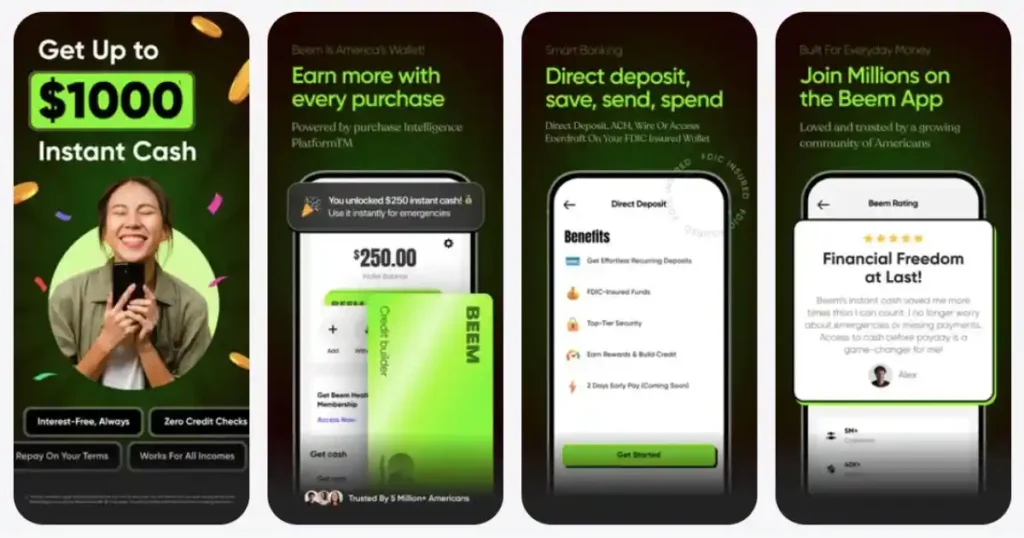
Technology offers tools that can help transform that stress into a sense of control. Alerts and AI-powered rules can be leveraged strategically to anticipate financial challenges, manage spending effectively, and maintain a sense of financial security. Beem utilizes AI-powered alerts and intelligent rules to help users stay on top of their bills, budget planning, and prevent missed payments without requiring constant checking.
Rather than reacting to financial problems after they occur, these tools enable you to prevent them proactively. This guide explains how to harness alerts and AI rules to stop paycheck-to-paycheck panic, whether your income is stable, fluctuating, or recovering from a disruption.
Understanding Paycheck-to-Paycheck Panic
Before exploring how alerts and AI rules can help, it’s crucial to understand what “paycheck-to-paycheck panic” really means.
Many people experience it, even if their income seems stable, because it is less about the amount of money and more about the sense of control or lack thereof over their finances.
Paycheck-to-paycheck panic is the heightened stress or anxiety that arises when you feel like your money could run out before your next paycheck arrives. It usually stems from situations such as:
- Insufficient funds before the next paycheck – Even a minor unexpected expense can feel overwhelming when your account balance is low.
- Bills unexpectedly due at the same time – Multiple payments landing in the same week, like rent, utilities, or credit card minimums, can create a domino effect of worry.
- Variable or inconsistent income – Freelancers, commission-based workers, or seasonal employees often struggle to predict exactly how much will be available, making budgeting a challenge.
- Fear of overdrafts or late fees – The constant worry of being charged extra fees or damaging your credit score adds a layer of stress to every financial decision.
This panic is often magnified by uncertainty. When you don’t have a clear view of your available funds, even small purchases or decisions can feel risky. It’s not just about money running out; it’s about the emotional toll of not knowing where you stand.
The good news is that technology can be a valuable aid. Alerts and AI-driven rules are designed to reduce this uncertainty by providing real-time awareness of your finances and automating controls that prevent overspending.
They turn unpredictable money flows into actionable insights, so you can make decisions confidently rather than reactively.
By understanding the root causes of paycheck-to-paycheck panic, you can see why simply tracking your account balance isn’t enough. You need tools that anticipate problems, notify you early, and help you take control before stress turns into financial mistakes.
Also Read: Paycheck Management for Renters in High-Cost Cities Trying to Stay Ahead
Why Alerts Are a Game-Changer
Alerts are notifications triggered by specific financial events. They provide immediate visibility into your accounts, transactions, and balances.
Examples include:
- Low balance alerts
- Upcoming bill reminders
- Large transaction notifications
- Overdraft warnings
The value of alerts lies in their ability to create awareness before problems escalate. Instead of discovering a missed payment when a bill bounces, you know in advance and can adjust. This proactive approach helps reduce stress and maintain financial stability.
How AI Rules Elevate Financial Management
AI rules take alerts one step further. Instead of just notifying you, AI can analyze patterns, anticipate challenges, and take action according to preset rules.
For example:
- Automatically transferring funds to cover upcoming bills if your balance is low.
- Adjusting spending recommendations based on past habits and income cycles.
- Predicting when you might face a cash shortfall and alerting you days in advance.
- Suggesting optimized payment schedules to avoid late fees.
AI-driven rules transform reactive finance management into proactive planning, providing a safety net without the need for constant monitoring.
Step 1: Assess Your Current Paycheck Cycle and Spending Patterns
Before setting up alerts or AI rules, understand your cash flow:
- Identify your paycheck dates and frequency.
- Track essential recurring expenses: rent, utilities, subscriptions, and loan payments.
- Note variable costs like groceries, transportation, or medical expenses.
This assessment forms the foundation for building alerts and rules that are relevant and effective. Without understanding the rhythm of your income and spending, alerts may create noise rather than clarity.
Step 2: Set Up Essential Alerts
Once you understand your cash flow, create alerts that reduce risk and stress. Consider three main categories:
Balance-Based Alerts
- Low Balance Notifications: Triggered when your account balance falls below a set threshold.
- High balance alerts: Useful for variable income workers to ensure excess funds are allocated wisely.
- Overdraft warnings: Prevent accidental overdrafts before they occur.
These alerts create visibility into cash availability and prevent financial shocks.
Bill-Related Alerts
- Upcoming Bill Notifications: Receive reminders before due dates.
- Payment confirmations: Receive immediate notification when bills are paid.
- Recurring payment alerts: Track subscriptions and auto-deductions to avoid surprises.
These alerts help avoid missed payments, late fees, and the stress of scrambling to cover bills.
Transaction Alerts
- Large transaction alerts: Notifies you of charges above a set limit
- Unusual activity alerts: Flags potential fraud or errors
- Spending threshold alerts: Alerts when daily, weekly, or monthly spending exceeds predefined limits
Transaction alerts give real-time insight into spending behavior and help prevent overspending during tight periods.
Step 3: Create AI Rules for Predictive Control
Alerts are reactive; they notify you when an event occurs. AI rules are predictive; they act before problems occur.
Examples of AI Rules
1. Income Forecast Rule: AI monitors your paycheck deposits and predicts when cash flow may run low, alerting you days in advance to adjust spending. This early warning helps you avoid last-minute stress.
2. Spending Cap Rule: By tracking your historical spending, AI recommends daily or weekly limits to prevent overextension. These limits adjust in real-time based on your current account balance, keeping your budget realistic.
3. Auto-Fund Rule: If an upcoming bill exceeds your current account balance, AI can automatically transfer funds from savings or another account to prevent overdrafts or late payments. This ensures critical bills are covered without manual intervention.
4. Priority Payment Rule: AI evaluates all your bills and prioritizes payments based on importance and due date, helping prevent essential obligations from being missed.
5. Savings Acceleration Rule: AI identifies small amounts of discretionary cash in your paycheck and moves it automatically to a savings or emergency fund. This builds a financial buffer over time without requiring extra effort.
Step 4: Personalize Alerts and AI Rules to Your Lifestyle
Not all alerts or AI rules are relevant to every person. Personalization ensures tools are helpful rather than overwhelming.
- Frequency: Choose how often you want to be notified (immediate, daily summary, weekly summary)
- Thresholds: Set limits that reflect your comfort level, e.g., low balance alert at $100 vs. $500
- Priority: Decide which alerts or rules trigger actions vs. just notifications
Personalization helps avoid alert fatigue and ensures your financial tools guide, rather than stress, you.
Step 5: Integrate Alerts and AI Rules With Paycheck Planning
Alerts and AI rules work best when combined with a clear paycheck plan. A paycheck plan assigns your income to specific purposes, such as:
- Essentials: rent, utilities, groceries
- Debt obligations: loans, minimum payments
- Savings: emergency funds, retirement, goals
- Discretionary spending
When AI rules and alerts are aligned with this plan, you get a system that not only informs but enforces financial priorities automatically.
Also Read: How to Turn An Extra Paycheck a Year Into Real Progress on Debt or Savings
Step 6: Use Real-Time Insights to Avoid Panic
Paycheck-to-paycheck panic often stems from uncertainty. Alerts and AI rules provide real-time insights that reduce uncertainty.
- Seeing an alert for a low balance allows adjustment before panic.
- AI forecasts of upcoming cash shortfalls let you plan ahead.
- Notifications of large transactions prevent surprises.
These insights shift your mindset from reactive to proactive, significantly reducing stress and anxiety.
Step 7: Automate Where Possible
Automation is key to stopping paycheck-to-paycheck panic. AI rules can execute tasks without manual intervention:
- Set up auto-pay or auto-transfer funds to prevent late payments.
- Adjust spending limits automatically during periods of low cash flow.
- Automatically allocate windfalls, bonuses, or extra income to savings.
The more you automate, the less you have to worry about remembering deadlines or manually moving money, which minimizes the likelihood of panic.
Step 8: Track Patterns and Adjust Over Time
Alerts and AI rules are not “set it and forget it” tools. They are most effective when monitored and adjusted on a regular basis.
- Track which alerts lead to action and which create noise.
- Review AI rules periodically to ensure thresholds and priorities remain relevant.
- Adjust based on changes in income, bills, or life events.
Regular adjustments ensure your system grows with your financial life, rather than becoming outdated or stressful.
Step 9: Combine Alerts and AI Rules With Behavioral Strategies
Technology works best when paired with mindful financial behavior. Consider these strategies:
- Build small buffers: Even a $50–$100 emergency buffer can prevent alerts from triggering panic.
- Set aside discretionary cash: Give yourself permission to spend within limits without feeling guilty.
- Celebrate small wins: Recognize avoidance of overdraft fees, timely bill payments, or extra savings.
These behavioral approaches reinforce the effectiveness of alerts and AI rules by aligning mindset with technology.
Step 10: Protect Yourself From Alert Fatigue
Too many alerts can lead to ignoring them altogether. Avoid alert fatigue by:
- Consolidating notifications where possible
- Prioritizing high-impact alerts (e.g., low balance, upcoming bills)
- Limiting frequency to actionable intervals
The goal is clarity, not constant monitoring. Proper prioritization ensures you respond to meaningful alerts without stress.
Step 11: Use Alerts and AI Rules for Long-Term Resilience
While immediate panic prevention is the focus, alerts and AI rules also build long-term financial resilience:
- They create a habit of awareness and proactive management.
- They provide a safety net for income fluctuations or unexpected expenses.
- They enable the gradual accumulation of savings without requiring manual effort.
Over time, these tools help shift your finances from a reactive state of survival to a planned state of growth.
Step 12: Integrate With Financial Goals
Alerts and AI rules are most effective when aligned with financial goals, such as:
- Paying down debt efficiently
- Building emergency funds
- Saving for short- or long-term goals
- Improving credit score
By connecting alerts to goals, every notification becomes actionable and purpose-driven rather than anxiety-inducing.
Step 13: Reassess After Life Changes
Significant life events, such as new jobs, income increases, relocation, marriage, or having children, can change cash flow dynamics. Reassess alerts and AI rules after any major change:
- Adjust thresholds for low-balance or spending alerts.
- Update automated transfer rules based on new priorities.
- Modify AI forecasts to reflect new income patterns.
This ensures your system remains relevant and continues preventing panic.
Step 14: Examples of Alerts and AI Rules in Action
Scenario 1: Mid-Month Bill Panic
A recurring utility bill comes due mid-month when your paycheck arrives at the end of the month. A low-balance alert triggers early, and an AI rule automatically transfers funds from a secondary account, preventing overdraft and panic.
Scenario 2: Fluctuating Freelance Income
Your income varies week to week. AI rules forecast your cash flow based on past payments and project future shortfalls, alerting you to adjust discretionary spending in advance. Alerts notify you of unexpected large deposits or withdrawals, helping to keep your plan on track.
Scenario 3: Unexpected Large Expense
A car repair exceeds your usual spending. Alerts notify you of the transaction, and AI rules suggest reallocating funds from non-essential categories, automatically updating your upcoming paycheck plan to prevent missed bills.
Step 15: Key Takeaways to Stop Paycheck-to-Paycheck Panic
- Awareness is preventive: Alerts make surprises visible before they become problems.
- Automation reduces stress: AI rules act on your behalf, preventing mistakes caused by human error or forgetfulness.
- Customization matters: Alerts and AI rules should match your income patterns, spending behavior, and comfort level.
- Mindset and behavior complement technology: Building buffers, monitoring patterns, and adjusting behavior ensure tools are effective.
- Proactive management builds resilience: Over time, alerts and AI rules reduce panic, improve savings, and create long-term financial stability.
Final Thoughts: How to Use Alerts and AI Rules to Stop Paycheck-to-Paycheck Panic
Living paycheck to paycheck does not have to mean living in constant anxiety. Alerts and AI rules are tools, not replacements for planning, but when used correctly, they transform uncertainty into control.
By understanding your income, tracking spending, automating transfers, and responding proactively to alerts, you can prevent surprises, stop panic before it starts, and build financial stability even with variable income. The goal is simple: financial clarity, reduced stress, and confidence that comes from knowing your paycheck plan is working for you, not against you.
With alerts and AI rules as your partners, you can live paycheck to paycheck without panic, turning fear into actionable insight and reactive stress into proactive security. With Beem, automation replaces guesswork by guiding cash flow decisions in real time, making paycheck management easier and less stressful. Download the Beem app now!