


Key Summary
Oportun targets borrowers who don’t have a credit score or have very limited credit history—but is Oportun legit? The company says it serves immigrant communities and underbanked populations that traditional lenders ignore. Oportun doesn’t require a credit score. They look at your income, employment history, and bank account activity to make lending decisions.
That access comes at a steep price. APRs reach 35.99% for most borrowers with limited credit. Oportun also settled with the Consumer Financial Protection Bureau in 2020 for $9 million over deceptive lending practices. The company charged borrowers for add-on products they didn’t want and made loans borrowers couldn’t afford to repay.
This review explains what Oportun is, whether it’s legitimate, what their loans really cost, and who they serve. Then it covers when Beem offers a better path for building credit without high-interest debt.
What Is Oportun And How Does It Work?
Oportun was founded in 2005 and focuses on borrowers with limited or no credit history. The company began serving Latino immigrant communities and has since expanded to serve other underbanked populations. Oportun operates physical locations in several states and also offers online applications.
Oportun offers personal loans from $300 to $10,000. The APR range is 7.99% to 35.99%, depending on your situation. For most borrowers with no credit score or limited history, the loan is at the upper end of that range at 35.99%. Loan terms range from six months to five years. Shorter-term loans have higher monthly payments but cost less in total interest.
The key difference is that Oportun doesn’t require a credit score. The company uses alternative data to make lending decisions. They consider factors such as your income, employment history, bank account history, and timely bill payments. This approach lets people with no credit file or a very thin credit history get approved when traditional lenders would reject them.
Oportun reports payments to all three major credit bureaus. Making on-time payments can help you build a credit history. Once established, missing payments negatively impact your credit score. That credit-building feature is valuable for people trying to enter the financial system, but the high interest rates make it expensive.
Is Oportun Legit
Oportun is a legitimate company that’s been operating since 2005. The company is accredited by the Better Business Bureau, though it has many complaints. Oportun serves real borrowers and provides real loans.
The legitimacy question gets complicated when you look at Oportun’s history with regulators. In 2020, the Consumer Financial Protection Bureau ordered Oportun to pay $9 million to settle charges of deceptive lending practices. The CFPB found that Oportun enrolled borrowers in expensive add-on products without proper consent. The company also made loans to borrowers who couldn’t afford to repay them. Oportun was required to change its business practices as part of the settlement.
That settlement is a serious red flag. It indicates that Oportun engaged in practices that regulators considered harmful to consumers. The company has changed some policies since then, but the settlement remains part of its track record.
Oportun is legit because it’s a real company that provides access to credit for underserved communities. But “legit” doesn’t mean trustworthy or affordable. The CFPB settlement and the high interest rates mean borrowers need to be cautious when considering Oportun.
Oportun Loan Costs and Fees
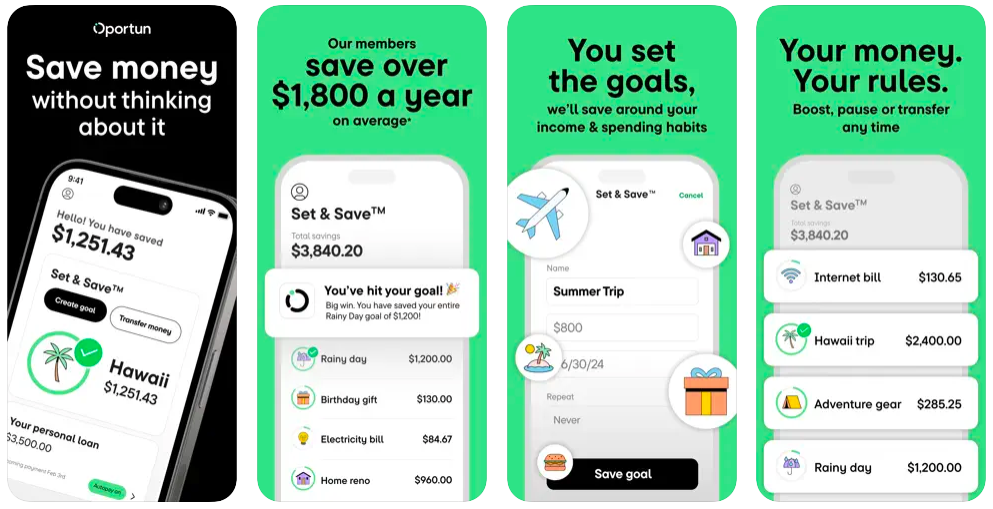
Oportun’s APR range is 7.99% to 35.99%. Borrowers with no credit score or very limited credit history typically get rates between 25% and 35.99%. The 7.99% low end is reserved for borrowers who have established good credit through Oportun or elsewhere. Most new borrowers don’t qualify for rates that low.
Origination fees and other charges vary by state. Some states cap fees, and others don’t. Late payment fees apply if you miss a payment. NSF fees can be charged if a payment bounces. These additional fees add to the total cost beyond the APR.
Here’s what a real loan looks like. If you borrow $5,000 at 30% APR over three years, you’ll pay about $3,900 in interest. That means you pay back $8,900 total to borrow $5,000. Your monthly payment would be around $247. If you can only afford $200 per month, you’ll miss payments and face late fees, plus damage to your credit score.
The high rates mean Oportun loans are expensive ways to build credit. You’re paying thousands of dollars in interest for the privilege of establishing a credit history. Other options, like secured credit cards, cost much less to build credit.
Who Oportun Accepts
Oportun accepts borrowers with no credit score or very limited credit history. The company specifically targets immigrant communities and underbanked populations who can’t access traditional bank loans. You don’t need a Social Security number in some cases. Oportun works with Individual Taxpayer Identification Numbers for qualifying borrowers.
To get approved, you need a steady income and a bank account. Oportun verifies your employment and income. They look at how long you’ve been at your job and whether your income is consistent. Bank account history matters. They want to see regular deposits and activity. If you have a bank account with steady direct deposits, you’re more likely to get approved.
Oportun doesn’t require collateral. The loans are unsecured, which means you don’t risk losing property if you default. But defaulting damages your credit score, and Oportun can send the debt to collections or sue you to recover the debt.
The company serves people who truly have no other options with traditional lenders. If you can qualify for a credit union loan or a secured credit card from a bank, those are better choices. Oportun caters to individuals who have been rejected by other lenders.
Pros of Oportun
Oportun has some advantages for people with no credit history. The biggest pro is that no credit score is required. People who are new to the country or have never used credit can still be approved. Oportun reports payments to all three credit bureaus, which helps you build a credit file. The company serves underserved communities that traditional lenders ignore. Physical locations in some areas provide in-person service for people who prefer face-to-face interactions.
Also Read: How Do Personal Loans Work?
Cons And Limitations
The disadvantages of Oportun are serious. APRs between 25% and 35.99% are very high for most borrowers. The CFPB settlement in 2020 shows a history of deceptive practices. Customer complaints focus on aggressive collection tactics and high fees. The loans are more expensive ways to build credit than secured credit cards. Oportun’s business model targets vulnerable populations with limited financial options. The high rates can trap borrowers in debt cycles where they keep refinancing loans and paying interest for years
Who Should Use Oportun
Oportun makes the most sense for borrowers who truly have no credit score and need to build credit history. If you’re new to the country, have never used credit, and can’t get a secured credit card, Oportun might be one of your few options. You should only consider Oportun if you’ve been rejected by credit unions, community banks, and secured card issuers.
Oportun is not ideal for anyone who can qualify elsewhere. If you have any credit history, even bad credit, other lenders offer better rates. If you can get a secured credit card with a $200 deposit, that’s a much cheaper way to build credit. You can work with limited-credit borrowers at reduced rates if you can join a credit union.
Real User Experiences
Reviews on consumer sites show mixed experiences. Some borrowers appreciate that Oportun approved them when no one else would. These users value the chance to build credit even though they acknowledge the rates are high.
Negative reviews are more common and focus on several issues. Many borrowers complain about high interest rates, making it very difficult to pay off loans. Some mention that Oportun representatives pushed them to take larger loans than they needed. Complaints about collection practices are frequent. Users report aggressive phone calls and pressure tactics when payments are late. Some borrowers mention that they feel trapped in a cycle of refinancing the same debt over and over.
The CFPB settlement supports many of these complaints. The regulator found that Oportun engaged in deceptive practices that harmed borrowers. That official finding validates what many users have been saying in reviews for years.
Opportun vs Better Alternatives
Secured credit cards are a better option for most people to build credit. You deposit $200 to $500 with a bank and get a credit card with that amount as your limit. You use the card and pay it off every month. The card reports to credit bureaus, and you build credit at 0% interest if you pay in full. That’s much cheaper than borrowing $5,000 at 30% APR from Oportun.
Credit unions often have programs for limited-credit borrowers. Many credit unions offer credit builder loans, where you make payments into a savings account and have access to the funds when the loan is paid off. Oportun’s interest rates are much lower than those of other lenders, typically 8% to 15% APR. Some credit unions have special programs for immigrant communities and underbanked populations.
Community development financial institutions serve underserved populations with more affordable products than Oportun. These nonprofit lenders focus on financial education and credit building without the predatory rates. Beem offers credit-building features without requiring you to take on high-interest debt.
What Beem Is And Where It Fits
Beem is a money app for people in the United States who want to build credit and manage cash flow without taking on expensive personal loans. You can learn more at https://trybeem.com. Beem is a suitable option for people with limited credit who need help now without paying 30% interest for years.
Oportun charges APRs between 7.99% and 35.99%, with most limited-credit borrowers paying 25% to 35.99%. A $5,000 loan costs nearly $4,000 in interest over three years. Beem offers Everdraft™ cash advances up to $1,000 with no interest charges. For many people who need a few hundred dollars to cover a gap, Beem provides that help without high-interest debt.
Beem also helps you build credit through the Beem Credit Builder Card. You build credit with everyday spending without taking on a personal loan at 30% APR. Beem includes a subscription monitor that finds zombie charges draining your account. Those forgotten memberships can cost $30 or more per month. Canceling them improves your cash flow without borrowing anything.
Why Choose Beem Over Oportun
The first big difference is cost. Oportun charges APRs between 25% and 35.99% for limited-credit borrowers. You pay thousands of dollars in interest to build credit. Beem lets you build credit through the Credit Builder Card without paying high interest on a personal loan.
The second difference is the business model. Oportun targets vulnerable populations with limited options and charges high rates. The CFPB found that Oportun engaged in deceptive practices. Beem focuses on helping people build financial stability through leak detection and smarter money management.
The third difference is flexibility. Oportun loans lock you into monthly payments for months or years. If your situation changes, you’re still stuck with those payments. Beem’s Everdraft™ advances are repaid from your next paycheck with no long-term commitment.
The fourth difference is the credit-building approach. Oportun makes you borrow money at high interest to build credit. Beem helps you build credit through everyday spending without the debt burden.
When Oportun Might Make Sense
Oportun makes sense in very limited situations. If you have absolutely no credit score, can’t get a secured credit card, and have been rejected by every credit union, Oportun might be one of your last options. If you need a small loan under $1,000 and can pay it off within six months, the total interest cost might be manageable even at 30% APR.
You should exhaust every other option first. Try secured credit cards from at least three different banks. Visit local credit unions and ask about credit builder loans. Look into community development financial institutions in your area. Only consider Oportun if everything else fails and you truly have no other way to access credit.
Also Read: 10 Best Loans like Oportun To Watch Out In 2026
Final Verdict
Oportun is a legitimate company that serves borrowers with no credit score or limited credit history. The company provides access to credit for underserved communities. But the APRs between 25% and 35.99% are very expensive. The CFPB settlement in 2020 for $9 million is a serious red flag that shows Oportun engaged in deceptive practices.
Better alternatives exist for most borrowers. Secured credit cards cost much less to build credit. Credit unions work with limited credit borrowers at lower rates. For people who need short-term cash help, Beem provides advances without high interest. For credit building, Beem offers tools that don’t require taking on a personal loan at 30% APR.
FAQs About Is Oportun Legit For Borrowers
Is Oportun legit and safe?
Yes, but Oportun settled with the CFPB for $9 million in 2020 over deceptive lending practices.
Do I need a credit score to apply with Oportun?
No, Oportun uses alternative data, such as income and bank account history.
What APR will I get from Oportun?
Limited-credit borrowers typically get an APR of 25% to 35.99%.
Does Oportun build credit?
Yes, they report to all three credit bureaus, but the high interest makes it expensive.
Are there cheaper ways to build credit?
Yes, secured credit cards and credit union credit builder loans cost much less.
Why choose Beem instead of Oportun?
Build credit without high-interest personal loans, get cash advances with no interest, and find money leaks.