
Key Summary
An emergency does not wait for financial convenience. It does not consider your billing cycle, your upcoming direct deposit, or how close you are to payday. When something urgent happens just days before income arrives, the pressure feels sharper because the problem is not total earning power; it is timing.
For many Americans, this scenario is deeply familiar. Rent is due in three days. A medical bill posted unexpectedly. A car repair becomes unavoidable. The paycheck is scheduled, but it has not been cleared yet. That narrow window between obligation and income creates stress that feels disproportionate to the actual dollar amount involved.
The important distinction to understand is that this type of emergency is usually a liquidity gap, not a structural collapse. The income may still be stable. The long-term outlook may still be intact. What determines whether the situation remains contained or expands into a longer-term setback is how the next 24 to 72 hours are handled. A strategic response can prevent compounding damage. A reactive one can accelerate it.
Step One: Assess the Urgency and Scope
Before taking action, clarity must replace panic. Not every expense that feels urgent carries the same level of structural risk. Some bills are time-sensitive and carry immediate consequences if unpaid. Others may allow short grace periods or partial flexibility.
Begin by asking specific, grounded questions. Is this obligation tied to housing, utilities, transportation, healthcare, or income continuity? Will missing the deadline trigger late fees, service interruption, or reporting consequences? Is there a built-in grace period that allows alignment with payday?
This step matters because financial stress compresses perception. Under pressure, everything can feel equally urgent. Slowing down long enough to categorize the expense restores structure. Once the situation is clearly defined, emotional intensity decreases, and decision-making improves. A defined number and a defined deadline are far less overwhelming than an undefined fear.
Step Two: Review Immediate Liquidity
After clarifying the urgency, the next step is to examine what cash is actually available right now. This includes checking primary checking accounts, secondary savings accounts, digital wallets, and any accessible funds that can be used without triggering long-term harm.
If savings exist, consider how much can be deployed without eliminating your entire buffer. Using savings to avoid late fees or service disruption is often more cost-effective than borrowing. However, draining reserves entirely may leave you vulnerable to secondary surprises later in the month. The goal is balance, not depletion.
Precision is important here. Instead of estimating the shortfall vaguely, calculate the exact amount needed to stabilize the situation. Knowing whether you are short by $180 or $600 shapes the solution. Emergencies often feel larger than they are because they are undefined. Once the number is clear, options become clearer as well.
Step Three: Communicate Early When Possible
Many service providers offer more flexibility than people assume, particularly when contacted before a deadline passes. Landlords, utility companies, healthcare providers, and even some lenders may provide short extensions or structured payment arrangements if approached proactively.
Waiting until after a payment is missed reduces flexibility significantly. Late notices often trigger automated processes that are harder to reverse. Early communication signals responsibility and preserves negotiation leverage.
Even a brief extension of three to five days can fully align the obligation with your payday. Communication does not eliminate the expense, but it can prevent penalties from attaching. In pre-payday emergencies, time alignment is often the real solution.

Step Four: Prioritize High-Impact Bills
When cash is limited, prioritization becomes essential. Not all bills carry equal structural weight. The first priority should always be obligations that protect housing, utilities, transportation, and income continuity.
If the available cash cannot fully cover every bill, stabilize one high-impact obligation completely rather than dividing funds thinly across several accounts. Partial payments may leave multiple accounts delinquent, while one fully protected obligation preserves stability where it matters most.
This requires disciplined thinking. Habitual spending patterns must temporarily give way to structural protection. Protect the foundation first. Once essential systems are secured, secondary obligations can be addressed with more flexibility.
Step Five: Consider Short-Term Liquidity Solutions Carefully
If available cash and negotiation options are insufficient, short-term liquidity may be necessary. The key is aligning the solution with the duration of the problem. A gap of a few days or one pay cycle does not require long-term debt.
High-interest borrowing may provide immediate access but can introduce extended repayment strain. Traditional loans may involve credit checks, underwriting, or waiting periods that do not align with urgent timelines. These solutions may solve the immediate problem while creating a new one next month.
Structured instant cash access designed specifically for emergencies can function as a bridge rather than a burden. Beem’s Everdraft™ provides access to up to $1,000 without interest and without credit checks. The emphasis is stabilization within the crisis window, not accumulation of long-term debt. When obligations are met quickly, penalties and escalation are prevented. Used responsibly, this type of liquidity protects the structure rather than expanding strain.
Step Six: Avoid Panic Borrowing
Emergencies compress time, and compressed time increases vulnerability. The fastest solution may feel like the safest solution, but speed without structure can introduce long-term consequences.
Under stress, people are more likely to accept unfavorable terms simply to eliminate immediate discomfort. Agreements may be signed without fully understanding repayment timelines or total cost. That urgency can extend the crisis instead of resolving it.
Even in high-pressure moments, pause long enough to understand the full financial footprint of the solution. Ask how the repayment will affect the next two pay cycles. Ask whether interest begins immediately. Strategic urgency stabilizes. Reactive urgency compounds.
Step Seven: Protect Future Paychecks
Stabilizing the immediate emergency is only the first half of containment. The second half involves ensuring that the upcoming paycheck restores balance rather than restarting compression.
Before payday arrives, create a clear repayment and allocation plan. Identify which funds will replenish savings, which will close the liquidity gap, and which expenses may need temporary adjustment. Without planning, the next cycle may feel just as tight as the current one.
Closing the loop intentionally ensures the emergency remains isolated. A one-time disruption should not become a repeating pattern. Protecting the next paycheck is what transforms crisis response into recovery.
How Pre-Payday Emergencies Escalate
| Stage | If Addressed Early | If Ignored | Long-Term Impact |
| Bill Due Before Paycheck | Liquidity bridge closes gap | Late fee attaches | Increased next-cycle burden |
| Utility Shortfall | Early negotiation or payment | Service interruption | Reconnection fees and daily disruption |
| Car Repair Needed | Immediate repair preserves work | Missed shifts reduce income | Ongoing income compression |
| Medical Expense | Short-term coverage | Sent to collections | Credit strain |
| Temporary Income Dip | Strategic bridge | Multiple missed payments | Structural instability |
Key Insight
The difference between stability and crisis rarely depends on the size of the emergency. It depends on how quickly and strategically the timing gap is addressed. When liquidity is restored early, compounding never begins. When a delay occurs, penalties, stress, and structural consequences can multiply quickly.
Common Mistakes That Escalate Pre-Payday Emergencies
- Ignoring the issue and waiting for payday without taking action
Delay rarely reduces cost. In most cases, late fees, penalties, or service interruptions attach automatically. Early intervention, even partial, often prevents escalation and preserves flexibility. - Spreading small amounts across multiple bills instead of stabilizing one
Dividing limited cash among several obligations may create the illusion of progress, but it often leaves each account partially delinquent. Fully protecting one essential obligation provides greater structural stability than partially protecting many. - Using long-term high-interest debt for a short-term timing gap
Borrowing over months or years to solve a problem that lasts days transforms temporary compression into prolonged financial strain. Alignment between the duration of the problem and the duration of the solution is critical. - Avoiding communication due to embarrassment or stress
Silence reduces options. Many providers are more flexible before deadlines than after. Early communication often unlocks solutions that are unavailable once accounts are formally delinquent.
Recognizing these patterns prevents repetition. Prevention is less expensive than recovery.

Pre-Payday Emergency Response Comparison
Understanding how different responses affect outcomes can clarify why speed and structure matter. The table below illustrates how early action compares with delayed or reactive handling.
| Situation | Strategic Response | Reactive Response | Long-Term Impact |
| Rent Due Before Paycheck | Secure short-term liquidity or negotiate extension | Wait and incur late fee | Preserves housing stability and avoids penalty stacking |
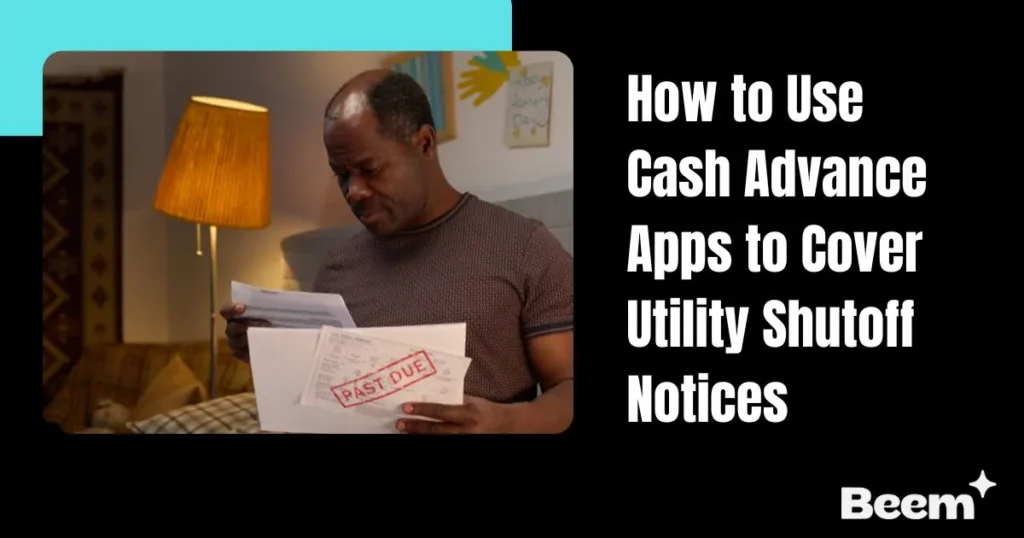
| Utility Bill Shortfall | Communicate early and align payment | Ignore until shutoff notice | Prevents service interruption and reconnection charges |
| Car Repair Needed for Work | Prioritize repair to protect income | Delay repair and miss shifts | Protects earning capacity and prevents cascading deficits |
| Medical Expense Before Payday | Use structured bridge to pay on time | Allow bill to enter collections | Maintains credit health and reduces stress |
| Temporary Cash Compression | Plan repayment before paycheck lands | Cover gap without repayment clarity | Prevents repeat cycle next month |
Insight
Most pre-payday emergencies are timing mismatches rather than financial collapse. The difference between stability and escalation lies in how quickly the gap is closed and how carefully the solution is structured. Early action limits compounding costs and preserves long-term financial health.
How to Build a Micro-Buffer for the Next Emergency
One of the most powerful lessons from a pre-payday emergency is not just how to survive it, but how to reduce the intensity of the next one. While building a full emergency fund can take time, creating a small “micro-buffer” is often achievable much sooner and can dramatically reduce stress during timing gaps.
A micro-buffer is not a full three-to-six-month reserve. It is a modest liquidity cushion, often a few hundred dollars, designed specifically to absorb short-term compression between pay cycles. Its purpose is not to handle catastrophic events. Its purpose is to prevent small timing disruptions from escalating into larger financial strain.
There are several practical ways to build this buffer gradually without overwhelming your budget:
- Redirect small windfalls instead of spending them automatically
Tax refunds, cashback rewards, small bonuses, or gift money can be partially diverted into a separate micro-buffer account. Because these funds are irregular, saving them feels less restrictive than cutting core expenses. - Automate small transfers immediately after payday
Even modest amounts, such as $20 or $40 per pay cycle, accumulate surprisingly quickly. Automation removes decision fatigue and builds resilience quietly over time. - Capture savings from canceled or downgraded subscriptions
When recurring costs are reduced, redirect the difference into your buffer rather than absorbing it into general spending. This converts lifestyle optimization into structural protection. - Keep the buffer separate from daily spending accounts
Separation reduces temptation and preserves the buffer for true timing gaps. A small, dedicated account reinforces purpose and discipline.
Over time, this micro-buffer transforms how emergencies feel. Instead of scrambling to close a shortfall, you draw from a pre-built cushion and replenish it intentionally with the next paycheck. The emotional difference is significant. Control replaces urgency.
A pre-payday emergency exposes the vulnerability of tight timing. A micro-buffer reduces that vulnerability. While no system eliminates every surprise, even a modest liquidity cushion can turn the next emergency from a crisis moment into a manageable inconvenience.
Conclusion: Timing Gaps Require Timely Solutions
An emergency before payday feels overwhelming because the deadline arrives before income does. However, most of these situations are timing disruptions rather than total financial breakdowns. Income may still be steady. The household may still be stable. What is missing is alignment.
Clear assessment, disciplined prioritization, early communication, and structured short-term liquidity can stabilize the situation quickly. The objective is containment, not perfection. Perfection is unrealistic during emergencies. Containment is achievable.
When emergencies are handled with structure and speed, they remain temporary disruptions. When ignored or handled reactively, they risk expanding into broader instability. Payday will arrive. The goal is to ensure that when it does, your financial foundation remains intact rather than weakened by compounding consequences.
Download the Beem app to access emergency cash quickly when you need it most.
Get fast support with a simple, secure, and stress-free experience.
Frequently Asked Questions
1. What should I do first if an emergency happens before payday?
The first step is to slow down and assess the urgency of the expense. Determine whether the bill affects housing, utilities, transportation, or income continuity, and identify any grace periods available. Clarifying the exact shortfall amount allows you to act strategically instead of reactively. Early clarity prevents emotional decisions that can increase long-term costs.
2. Is it better to use savings or borrow money to cover a short-term gap?
If you have savings available without fully depleting your buffer, using them is often the cleanest solution because it avoids new obligations. However, if draining savings would create additional vulnerability, a structured short-term liquidity solution may be appropriate. The key is aligning the solution with the duration of the gap. A short problem should not create a long repayment burden.
3. How can I avoid late fees when I’m just a few days short?
Communication is critical. Contacting landlords, utility providers, or lenders before the due date may unlock short extensions or temporary flexibility. Even a brief alignment with payday can prevent penalties from attaching. Acting early improves your negotiating position significantly.
4. Will using short-term cash solutions hurt my credit?
It depends on the structure of the solution. Traditional loans and credit cards typically impact your credit profile through utilization and reporting. Some structured emergency cash tools are designed without credit checks or long-term reporting, which can help preserve your credit standing. Always review terms carefully before proceeding.
5. How do I prevent the next paycheck from feeling just as tight?
Before payday arrives, create a clear repayment and allocation plan. Identify which obligations will be restored first and whether any discretionary spending needs temporary adjustment. Without planning, short-term gaps can repeat across cycles. Intentional recovery planning ensures the emergency remains isolated rather than recurring.