
Key Summary
Unexpected expenses are not rare anomalies. They are recurring realities woven into modern financial life. A medical co-pay surfaces earlier than anticipated. A vehicle repair becomes unavoidable. A reduction in hours coincides with fixed bills that do not move. Stability is rarely threatened by dramatic collapse. More often, it is tested by compressed timelines and fragile cash flow.
Being financially stable during unexpected expenses is not about flawless budgeting or perfect foresight. It is about how effectively a household responds when the plan is disrupted. The difference between a short-term inconvenience and a prolonged financial setback usually depends on three factors: access to liquidity, clarity in prioritization, and emotional discipline under pressure.
Most households will face unexpected expenses multiple times a year. What separates contained disruption from cascading damage is structure. When systems exist before the emergency, decisions remain measured rather than reactive. The goal is not to eliminate unpredictability. The goal is to prevent unpredictability from compounding into crisis.
Most Unexpected Expenses Are Liquidity Disruptions, Not Structural Collapse
Unexpected expenses often feel catastrophic because they arrive outside of expected financial rhythm. However, many of these events are not evidence of long-term insolvency. They are short-term liquidity breakdowns.
Income may still be steady. Bills may still be manageable over a full month. The stress arises because the expense requires payment before income cycles align. This timing compression magnifies urgency and creates the perception that the entire financial system is unstable. In reality, the system may simply need temporary liquidity support.
Distinguishing between a timing issue and a structural affordability problem is essential. A timing issue requires short-term cash alignment. A structural affordability issue requires deeper budget restructuring. Treating a liquidity gap as a structural failure leads to overreaction. Treating structural strain as a timing issue leads to denial. Financial stability depends on diagnosing correctly before acting.
When households understand that most emergencies are timing-based rather than permanent collapse, the response becomes calmer. Proportionate solutions preserve stability.
Stabilize Core Obligations Before Addressing Secondary Expenses
When cash becomes tight, prioritization determines outcomes. Not all bills carry equal consequences. Financial stability depends on protecting the foundations that sustain housing, utilities, and income continuity.
Housing Must Remain the First Anchor
Housing payments represent more than shelter. They protect physical stability, emotional safety, and credit standing. Late housing payments often carry the highest escalation risk, including fees, legal action, and long-term credit damage.
If a housing shortfall appears, early communication matters. Landlords and lenders are often more flexible when contacted before deadlines pass. Proactive discussion reduces penalties and preserves goodwill. Housing stability creates breathing room to address other obligations in sequence.
Protecting shelter first is not merely a budgeting tactic. It is a stability safeguard.
Utilities and Essential Services Preserve Functionality
Electricity, water, heating, and internet access are central to modern life. Service interruptions disrupt daily functioning and may threaten employment, particularly for remote workers.
Utility shutoffs frequently include reconnection fees that increase total cost. Addressing these bills promptly avoids compounding charges. If hardship programs or extensions are available, early inquiry improves outcomes.
Preserving essential services keeps life operating normally, which stabilizes emotional and financial decision-making.

Transportation and Income Protection Are Strategic Priorities
Unexpected car repairs or transportation costs often determine whether income can continue uninterrupted. If mobility is required for work, resolving transportation problems quickly protects earning capacity.
Income continuity is the most powerful stabilizer during financial stress. Addressing expenses that directly affect employment prevents temporary disruption from becoming structural loss. Financial stability requires protecting the systems that generate future cash.
Interrupt Escalation Before It Compounds
Financial crises rarely explode instantly. They escalate through compounding penalties, interest accrual, and mounting stress.
A single missed payment may trigger late fees. That late fee increases the following month’s balance. Credit card interest begins accumulating immediately. Utility accounts add reconnection costs. What begins as a modest shortfall grows through quiet multiplication.
Addressing obligations quickly—even partially—interrupts this compounding cycle. Negotiating payment arrangements, requesting short extensions, or securing immediate liquidity reduces the risk of penalty stacking. Early action consistently costs less than delayed correction. Escalation thrives on inaction. Stability thrives on containment.
Deploy Liquidity Tools With Intention, Not Panic
Unexpected expenses demand cash. The method used to obtain that cash shapes long-term stability.
Emergency savings are the most stable solution. However, not every household maintains a fully funded reserve. In those moments, structured short-term liquidity access can serve as a bridge.
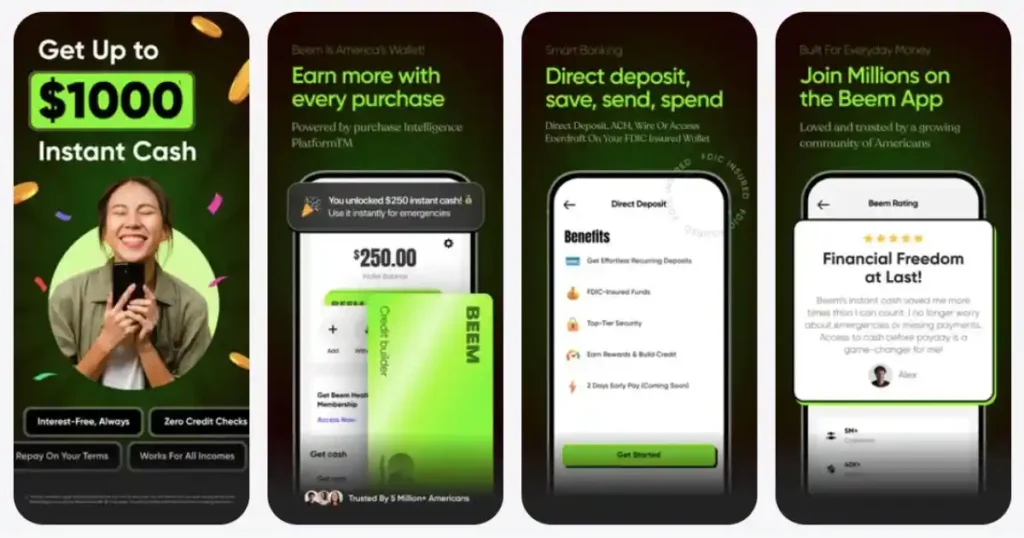
Beem’s Everdraft™ offers instant access to up to $1,000 without interest and without credit checks. It is designed as a financial safety net for emergencies rather than a long-term debt product. By providing immediate liquidity, it allows users to meet obligations before penalties attach, preventing small gaps from escalating into structural damage.
The distinction between structured emergency access and high-cost borrowing is critical. Solutions that introduce heavy interest or unpredictable repayment terms may solve the present need while creating future instability. Stability requires closing timing gaps without compounding cost. Liquidity, when structured responsibly, stabilizes rather than destabilizes.
Separate Emotional Urgency From Strategic Decision-Making
Unexpected expenses activate stress responses. Deadlines create urgency. Urgency narrows cognitive bandwidth and increases susceptibility to unfavorable agreements.
Under pressure, people prioritize immediate relief over long-term consequences. High-interest products feel tolerable if they eliminate short-term anxiety. Contracts are signed quickly. Terms are skimmed instead of evaluated.
Creating even a brief pause improves outcomes. Reviewing repayment structures, understanding total cost, and considering alternatives restores strategic thinking. Access to immediate liquidity often reduces emotional compression, widening perspective and improving judgment.
Financial stability depends not only on cash but on clarity. When decisions are made calmly, recovery accelerates.
Adjust Spending Temporarily Without Triggering Permanent Overcorrection
Unexpected expenses require short-term compression. However, compression should remain proportionate.
Pause discretionary subscriptions temporarily. Reduce optional spending categories for a limited period. Delay non-essential purchases. These adjustments create room without dismantling long-term plans or inducing resentment.
Extreme austerity often leads to rebound spending once pressure subsides. Sustainable stability favors temporary recalibration over dramatic restructuring. When stability returns, spending can normalize gradually and intentionally. A balanced response protects both finances and morale.
Read: How Instant Cash Advances Help During Unexpected Expenses
Protect Credit Health and Long-Term Leverage
Credit profiles influence future borrowing terms, insurance pricing, rental approvals, and financial flexibility. Unexpected expenses can damage credit if payments are missed or accounts enter collections.
Addressing obligations before delinquency reporting preserves years of credit-building effort. Even short-term liquidity access that prevents a single missed payment can protect long-term financial leverage.
Financial stability extends beyond today’s bills. It includes safeguarding the systems that determine tomorrow’s options.
Rebuild a Micro-Buffer After the Emergency Passes
Resolving one unexpected expense does not eliminate future risk. Building even a modest buffer after recovery improves resilience.
A micro-buffer does not require thousands of dollars immediately. Consistent small transfers accumulate steadily. Even a few hundred dollars dramatically reduces the intensity of future timing gaps.
Stability improves when the next disruption feels manageable rather than destabilizing. Building reserves incrementally transforms reactive living into structured preparedness. Liquidity is not a luxury. It is infrastructure.
Recognize That Liquidity Gaps Reflect System Design, Not Personal Failure
Modern financial structures leave little margin for timing error. Fixed expenses consume significant portions of income. Inflation reduces discretionary breathing room. Emergencies remain unpredictable.
Liquidity gaps emerge within tightly balanced systems. They are structural vulnerabilities, not moral shortcomings. Viewing temporary strain as failure delays action and increases escalation.
Acting early, securing structured liquidity, and protecting core obligations represent rational responses to systemic timing risk. Removing shame improves response quality. Early intervention preserves stability.
Long-Term Stability Is Built Through Short-Term Discipline
Unexpected expenses will continue to arise. Financial stability is not achieved by eliminating disruption. It is achieved by responding intentionally.
When core obligations are prioritized, escalation is contained, liquidity is restored responsibly, and emotional decisions are managed carefully, most unexpected expenses remain temporary events.
Stability emerges from structure. It grows through proportionate response. It strengthens through disciplined recovery. Unexpected expenses test financial systems. With clarity, liquidity, and structured prioritization, they no longer define them.
Rebuilding After the Expense Is Resolved
Staying financially stable during unexpected expenses does not end when the bill is paid. What happens immediately after stabilization often determines whether the disruption remains temporary or leaves lingering strain. Once the urgent pressure is removed, the focus should shift from survival to recalibration.
The first step is restoring balance deliberately. If savings were used, begin replenishing them gradually rather than waiting for the “perfect” month. Even small, consistent contributions rebuild confidence and restore your financial buffer. If short-term liquidity was accessed, map out repayment in alignment with cash flow rather than forcing aggressive payback that creates new compression. Stability improves when recovery is paced, not rushed.
Knowing Expenses
It is also important to review what the expense revealed. Did the emergency expose a gap in insurance coverage, a maintenance issue that can be prevented, or a budgeting blind spot? Treating the event as information rather than failure strengthens long-term resilience. Over time, each resolved disruption becomes a refinement point for your financial system.
Unexpected expenses are disruptive, but they can also be instructive. When households respond thoughtfully and then adjust systems afterward, crises become contained lessons rather than recurring patterns. Financial stability is not built in calm periods alone. It is reinforced every time recovery is handled with intention.
How to Respond to Unexpected Expenses Strategically
Understanding which action fits which scenario improves financial outcomes. The table below outlines common unexpected expense situations and the most stability-preserving response.
| Situation | Immediate Risk | Priority Action | Stability Outcome |
| Rent shortfall | Late fees, eviction risk, credit impact | Secure liquidity quickly and communicate with landlord | Preserves housing stability and credit health |
| Utility bill spike | Service shutoff, reconnection fees | Pay before deadline or request extension | Maintains essential services and avoids stacking fees |
| Emergency car repair | Lost income from missed work | Prioritize repair to protect earning ability | Prevents income disruption and further financial strain |
| Medical expense | Collections, stress escalation | Arrange payment plan or use structured cash access | Avoids credit damage and reduces anxiety |
| Reduced work hours | Bill pile-up and overdrafts | Compress discretionary spending and bridge gap responsibly | Prevents cascading penalties and maintains control |
Insight
The pattern across these scenarios is consistent. The sooner liquidity is restored and core obligations are protected, the smaller the ripple effect. Stability is less about avoiding emergencies and more about containing them before they expand.
Conclusion: Stability Is About Response, Not Perfection
Financial stability is not defined by the absence of unexpected expenses. It is defined by how effectively those expenses are absorbed without long-term damage. Emergencies test timing, liquidity, and decision-making more than they test discipline. When households respond early, prioritize strategically, and use liquidity tools responsibly, most disruptions remain contained.
The goal is not to eliminate uncertainty. The goal is to build systems that prevent uncertainty from escalating. Protecting housing and income, interrupting penalty cycles, and restoring cash flow quickly create disproportionate stability. Even modest liquidity access at the right moment can prevent months of recovery work later.
Unexpected expenses are inevitable. Financial collapse is not. With structured prioritization and immediate access to responsible short-term liquidity when necessary, stability remains intact even when plans are disrupted.
Download the Beem app to access emergency cash quickly when you need it most.
Get fast support with a simple, secure, and stress-free experience.
Frequently Asked Questions
1. How much should I ideally have saved for unexpected expenses?
A fully funded emergency fund often covers three to six months of essential expenses, but that target takes time to build. In the short term, even a few hundred dollars can significantly reduce the impact of unexpected costs. Small liquidity buffers prevent minor timing gaps from escalating into larger financial setbacks.
2. Should I use savings first or look for short-term cash solutions?
Savings are typically the first and most stable line of defense because they do not create repayment obligations. However, if savings are insufficient or would leave you completely exposed, structured short-term liquidity solutions can serve as a bridge. The key is choosing options that avoid high interest and compounding penalties.
3. How can I prevent one unexpected expense from damaging my credit?
Prioritize obligations that report to credit bureaus, such as rent (where applicable), loans, and credit cards. Communicate with lenders early if payment delays are likely, as many offer hardship programs or temporary arrangements. Securing liquidity quickly often prevents missed payments that could affect your credit profile for years.
4. What is the difference between a cash flow issue and a deeper financial problem?
A cash flow issue typically involves timing mismatches between income and expenses, even when overall income is sufficient. A deeper financial problem occurs when recurring expenses consistently exceed income over time. Identifying the difference helps determine whether short-term liquidity or structural budget adjustments are needed.
5. How can short-term liquidity tools be used safely during emergencies?
Short-term liquidity should be used to stabilize essential obligations, not to fund discretionary spending. Choose transparent solutions with predictable terms and no compounding interest whenever possible. Responsible use means closing timing gaps without creating long-term repayment strain.